Bitget hacker moves $3.8 million in ZEC to Zcash's Ironwood pool after swap rejection
The recent Bitget heist, which resulted in a staggering $387.5 million theft, has taken an intriguing turn as the hacker attempts to obscure their assets. After being rebuffed by Near Intents for swaps amounting to $50 million, the attacker has started funneling approximately $3.8 million in Zcash (ZEC) into the Ironwood privacy pool. This maneuver highlights the ongoing efforts by cybercriminals to launder stolen funds using privacy-focused cryptocurrencies.
The Bitget incident is not an isolated event in the world of cryptocurrency. Such high-profile hacks have been increasing in frequency, drawing attention to vulnerabilities within exchanges and the broader crypto ecosystem. The $387.5 million theft from Bitget is one of the largest in recent history, and it follows a series of similar attacks that have plagued various platforms and left users concerned about the security of their funds. As exchanges become prime targets for hackers, the need for enhanced security measures has become more critical than ever.
This development matters significantly for the market, particularly concerning the integrity of decentralized finance (DeFi) spaces and the trust users place in these platforms. The fact that the hacker turned to Zcash's Ironwood pool for laundering indicates a growing trend of utilizing privacy coins to obfuscate transaction histories. This not only raises concerns about the potential for increased illicit activity within the crypto space but also points to challenges that regulators face in monitoring and preventing such actions.
Industry reaction to the Bitget hack and the hacker's subsequent actions has been one of alarm and concern among security experts and crypto advocates. Many are emphasizing the urgent need for improved security protocols and better monitoring systems to deter future attacks. Furthermore, the use of privacy coins for laundering stolen assets sparks debate about the role and responsibility of cryptocurrency projects in preventing misuse of their technologies.
Looking ahead, the situation surrounding the Bitget hacker's activities may prompt further regulatory scrutiny on privacy-focused cryptocurrencies like Zcash. As authorities seek to clamp down on money laundering and other illicit activities, there may be increased pressure on the developers and communities behind these projects to implement features that enhance transparency, even within private transaction frameworks. The ongoing evolution of this case will likely influence the broader conversation surrounding security, privacy, and regulation in the cryptocurrency space.

CoinMagnetic Team
Crypto investors since 2017. We trade with our own money and test every exchange ourselves.
Updated: September 2026
From our insights:
Related news
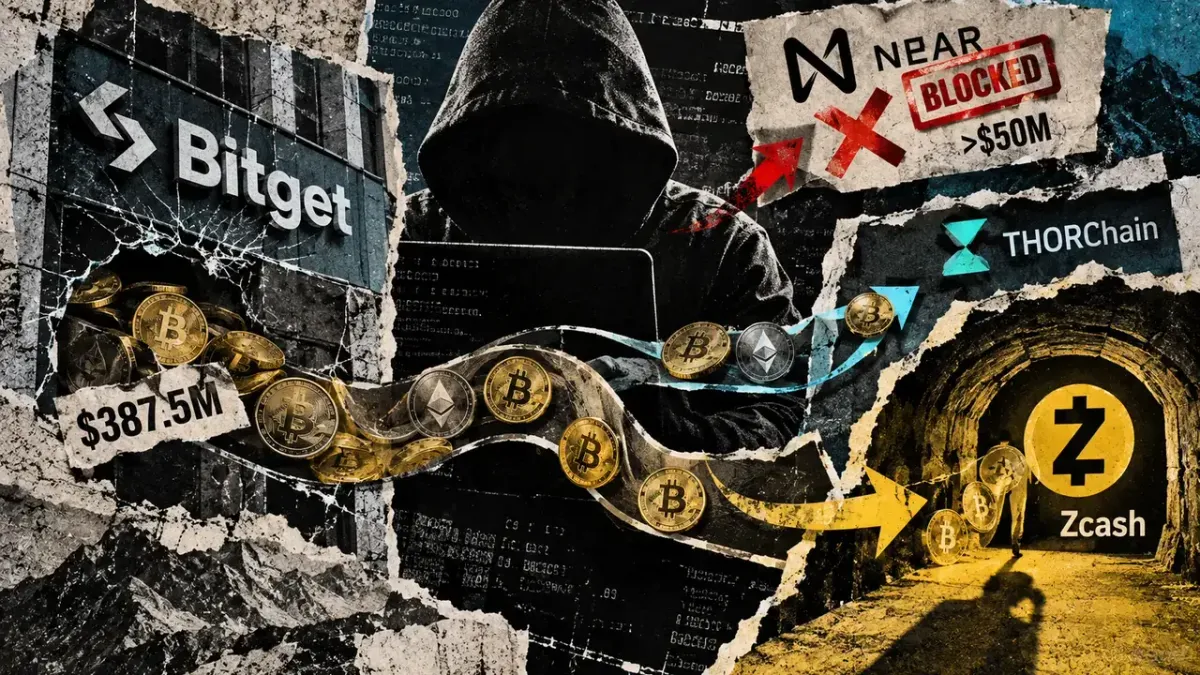
Bitget’s hackers turn to Zcash after $50 million laundering route gets blocked
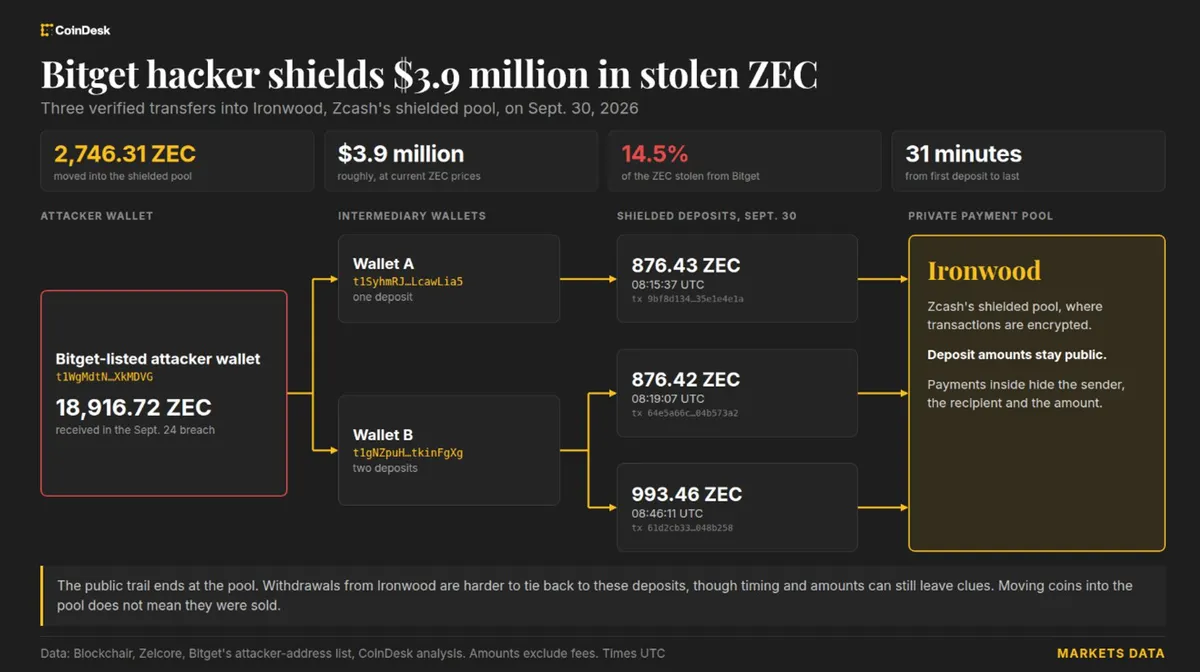
$4 million in stolen Zcash moved to Ironwood, complicating recovery efforts

OpenAI, Google and Meta sign voluntary AI audit pact with no penalties

SlowMist traces Bitget hack activity to Aug. 31 zero-day exploit

Bitget CEO cites 2025 Bybit hack as precedent for $388 million breach recovery