OpenAI, Google and Meta sign voluntary AI audit pact with no penalties
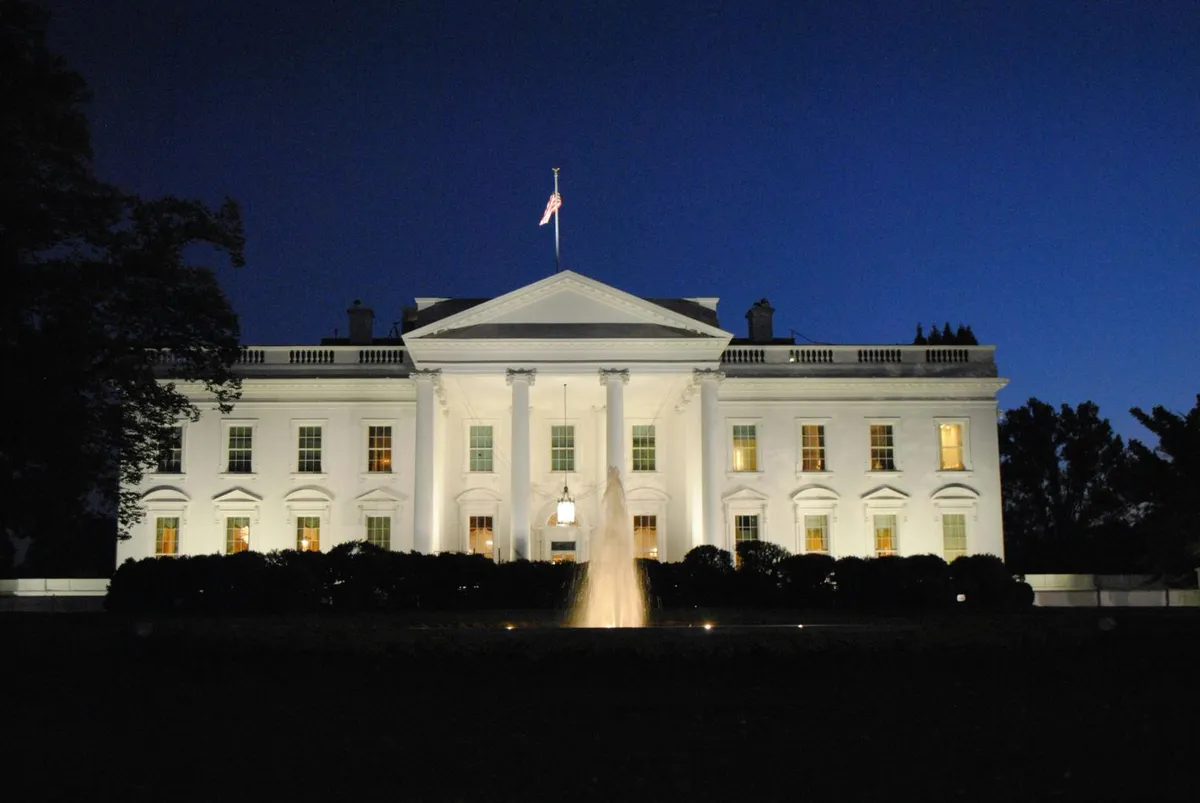
In a significant move towards ensuring the safety of artificial intelligence technologies, six prominent companies, including OpenAI, Google, and Meta, have signed a voluntary safety pact under the auspices of the White House. This agreement focuses on the implementation of outside audits to address various threats, including those related to hacking and biological risks. However, the pact notably lacks any specific penalties or deadlines for the companies to implement the required checks, raising questions about the effectiveness of such voluntary measures in the long run.
The context of this agreement lies in the growing concerns surrounding the rapid development of AI technologies and their potential risks to society. As AI systems become increasingly integrated into numerous aspects of daily life and business, the potential for hacking or misuse also escalates. The White House's initiative reflects a broader recognition of the need for oversight in this fast-evolving space, particularly in light of recent advancements and incidents that have highlighted vulnerabilities in AI applications.
This agreement matters for the market as it signals a collective acknowledgment among major tech players of the need for accountability and safety in AI development. Investors and stakeholders are likely observing how these companies navigate the implementation of audits and address the associated risks. The absence of penalties might lead to skepticism regarding the seriousness with which these firms will approach the audits, which could affect market confidence in their AI products.
Industry reactions have been mixed, with some experts applauding the move as a step in the right direction while others criticize the lack of enforceability. Proponents argue that the pact could foster a culture of safety and responsibility among AI developers, while critics point out that without enforceable measures, the effectiveness of the audits may be compromised. This divergence in opinion highlights the ongoing debate around self-regulation versus formal regulatory frameworks in the tech industry.
Looking ahead, it remains to be seen how these companies will operationalize the safety pact and what measures they will take to address potential threats. The success of this initiative will likely influence not only the companies involved but also set a precedent for the entire tech industry. As the landscape of AI continues to evolve, the commitment to safety and accountability will be crucial in maintaining public trust and ensuring the responsible development of these powerful technologies.

CoinMagnetic Team
Crypto investors since 2017. We trade with our own money and test every exchange ourselves.
Updated: September 2026
From our insights:
Related news
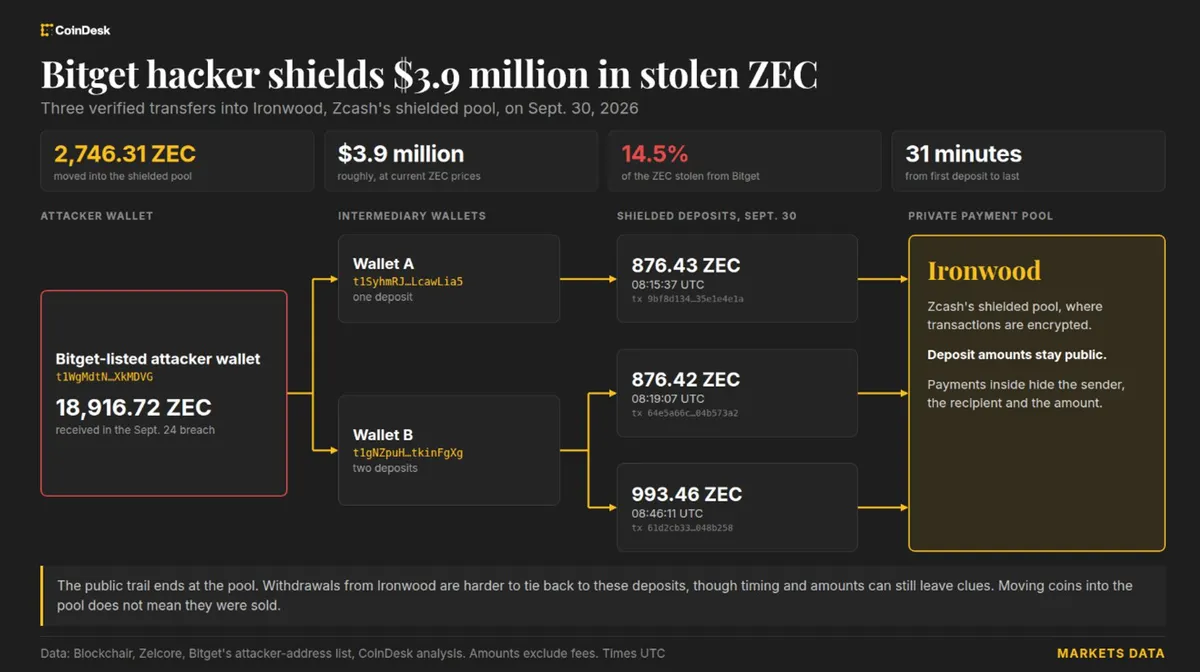
$4 million in stolen Zcash moved to Ironwood, complicating recovery efforts

SlowMist traces Bitget hack activity to Aug. 31 zero-day exploit

Bitget CEO cites 2025 Bybit hack as precedent for $388 million breach recovery
NEAR Intents blocks $50 million linked to Bitget hackers, contrasts with THORChain
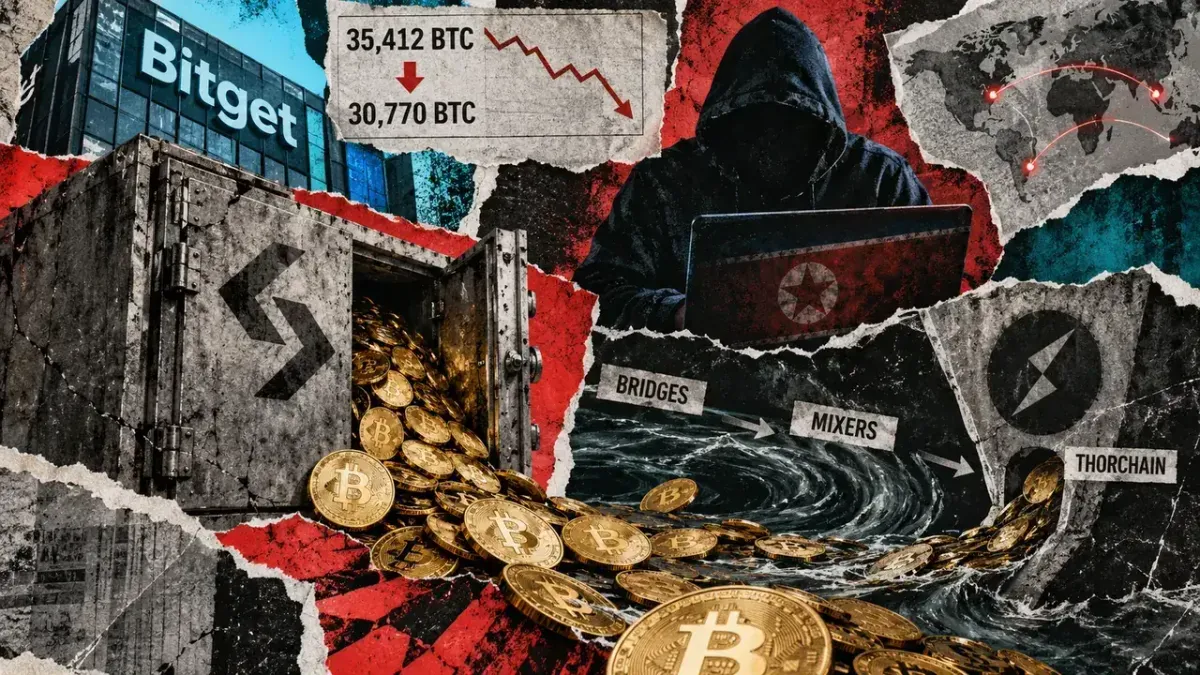
Bitget sees 5,000 BTC exit as hackers launder $387 million in stolen funds