SlowMist traces Bitget hack activity to Aug. 31 zero-day exploit

Recent investigations by SlowMist have traced the malicious activity leading up to the Bitget hack to a zero-day exploit identified on August 31. This vulnerability was exploited by cybercriminals to compromise the exchange's security. Alongside the zero-day exploit, two security products were involved in the attack, as well as a custom-built withdrawal tool that facilitated the unauthorized access to funds. This detailed analysis sheds light on the preemptive indicators of the breach, highlighting the sophistication of the attackers.
The context surrounding this incident is critical for understanding the broader implications of exchange security in the crypto space. Zero-day vulnerabilities are particularly concerning as they represent weaknesses that are not yet known to the software vendor or the public, making them highly valuable to hackers. The Bitget hack is not an isolated incident; exchanges have faced increasing security threats, and this breach underscores the urgent need for enhanced security protocols across the industry. Previous incidents have shown that exchanges that fail to address vulnerabilities can suffer devastating financial losses and reputational damage.
This revelation is significant for the cryptocurrency market because it raises awareness about the potential risks associated with centralized exchanges. Investors and users may become more cautious in their dealings, which could influence trading volumes and overall market sentiment. The Bitget hack, given its timing and method, could lead to increased regulatory scrutiny and demands for greater transparency from exchanges regarding their security measures. The fear of future breaches may also drive some users towards decentralized finance solutions that promise greater security and autonomy.
Industry reactions to SlowMist's findings have been mixed, with experts emphasizing the constant arms race between cybersecurity measures and malicious actors. Some security professionals suggest that this incident could serve as a wake-up call for exchanges to invest more heavily in robust security frameworks and regular audits. Others note the necessity for a collective effort within the industry to share information about vulnerabilities and threats, which could help mitigate risks for all players involved.
Looking ahead, the implications of this hack could lead to significant changes in how exchanges operate and secure their platforms. We may see an increase in collaboration between exchanges and cybersecurity firms to develop better defenses against such vulnerabilities. Additionally, it is likely that regulatory bodies will step in to enforce stricter compliance measures, requiring exchanges to adopt more rigorous security protocols to protect user funds and maintain trust in the cryptocurrency ecosystem.

CoinMagnetic Team
Crypto investors since 2017. We trade with our own money and test every exchange ourselves.
Updated: September 2026
From our insights:
Related news
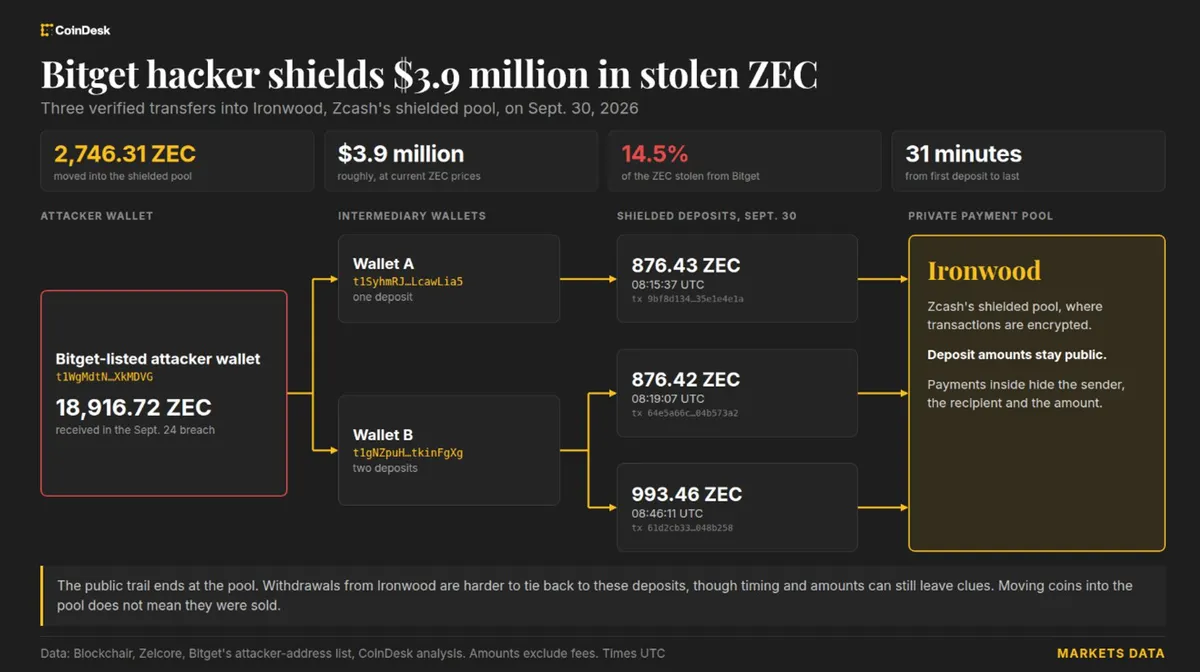
$4 million in stolen Zcash moved to Ironwood, complicating recovery efforts

OpenAI, Google and Meta sign voluntary AI audit pact with no penalties

Bitget CEO cites 2025 Bybit hack as precedent for $388 million breach recovery

NEAR Intents blocks $50 million linked to Bitget hackers, contrasts with THORChain

Bitget sees 5,000 BTC exit as hackers launder $387 million in stolen funds