Wall Street’s UBS uMINT yield-bearing collateral has reached Bybit – but there’s a catch
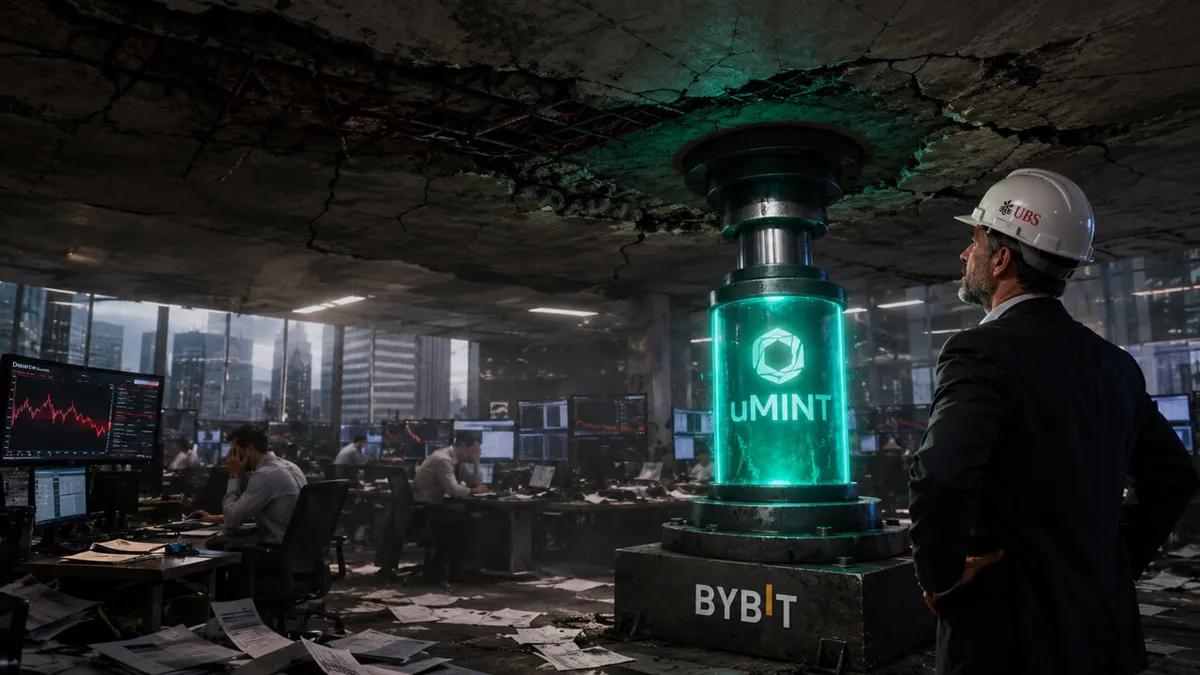
UBS has made headlines with its launch of the uMINT yield-bearing collateral on the Bybit platform, marking the first deployment of tokenized money-market funds as working collateral. This development signifies a noteworthy shift in how traditional financial instruments can be integrated into the cryptocurrency space. However, it is essential to note that this innovation comes with its own set of challenges, particularly concerning custody, valuation, and the terms surrounding liquidation. As the crypto ecosystem continues to evolve, the intersection of traditional finance and digital assets is becoming increasingly significant.
The concept of using tokenized money-market funds as collateral is not entirely new, but the involvement of a major player like UBS provides a robust validation of its potential. Money-market funds are typically seen as low-risk investments, and tokenizing these assets could streamline liquidity and offer more efficient capital utilization. With Bybit, a leading cryptocurrency exchange, now facilitating this integration, the implications for both retail and institutional investors could be profound. However, the practicality of such innovations raises questions about the underlying mechanisms that govern these assets.
This development is crucial for the market as it potentially opens the floodgates for greater institutional participation in cryptocurrency investments. If tokenized money-market funds can be effectively utilized as collateral, it may lead to increased trading volumes and liquidity for Bybit and similar platforms. However, the concerns regarding custody and valuation may temper enthusiasm, as participants want to ensure that these assets are secure and accurately represented in the market. The successful navigation of these challenges could enhance investor confidence and possibly attract more conservative players to the crypto space.
Industry reactions have been mixed, with some experts expressing excitement about the innovative nature of this approach while others caution about the risks involved. Many analysts believe that integrating traditional financial instruments into the crypto ecosystem could bridge the gap between the two worlds, fostering a more significant convergence of assets. However, there are voices that highlight the need for stringent regulations and clear guidelines to ensure that investors are adequately protected. This dichotomy reflects the broader discourse within the crypto community as it grapples with how to incorporate traditional finance safely.
Looking ahead, it will be critical to monitor how UBS and Bybit address the challenges associated with custody, valuation, and liquidation terms. The success of this initiative could set a precedent for future collaborations between traditional financial institutions and cryptocurrency platforms. As the industry continues to innovate, the potential for new financial products that blend the best of both worlds remains vast. The outcome of this deployment could not only influence market dynamics but also shape the regulatory landscape for tokenized assets in the years to come.

CoinMagnetic Team
Crypto investors since 2017. We trade with our own money and test every exchange ourselves.
Updated: June 2026
From our insights:
Related news

Solstice CEO predicts less volatile future for crypto cycles amid liquidity growth
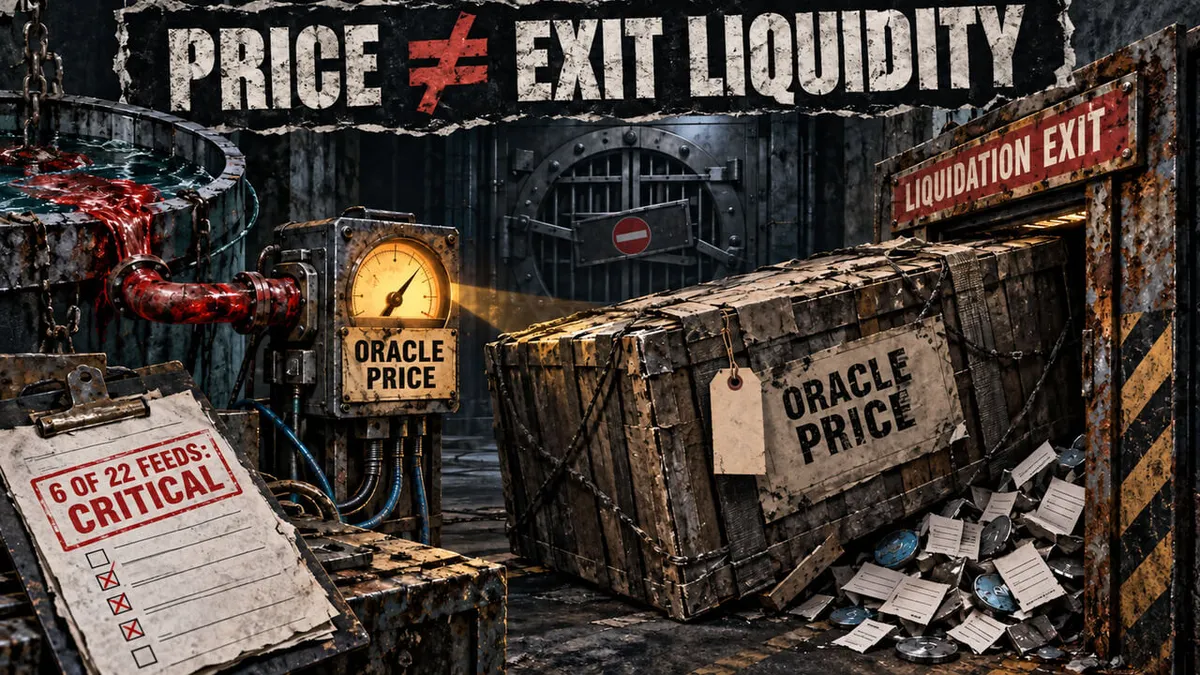
Pragma flags 6 price feeds as critical risk following $3.5M Starknet lending exploit

Ethereum's $120 billion in staking masks underlying supply dynamics

NEAR price surges 80% weekly as Intents volume approaches $30 billion
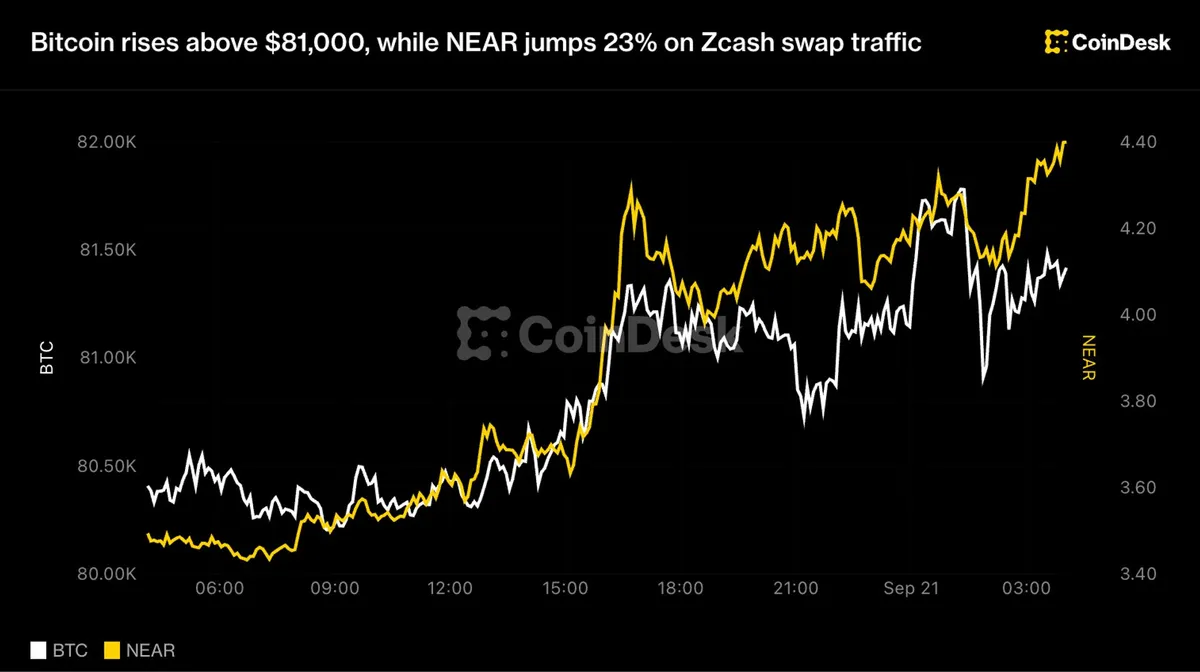
Bitcoin surpasses $81,000 as NEAR surges 23% amid Zcash swap activity