weETH separates normal staking from restaking amid rewards cap debate

The recent development in the Ethereum ecosystem sees the staking token weETH splitting from ordinary staking activities, creating a distinct separation from the more risk-laden restaking process. This move comes in the wake of ongoing discussions surrounding a new proposal aimed at capping validator rewards, which has sparked considerable debate within the staking community. As these discussions intensify, the implications for both staking participants and the overall Ethereum network are becoming increasingly significant.
In the broader context, Ethereum's staking mechanism has evolved substantially since the launch of Ethereum 2.0. Initially, staking allowed users to lock up their Ether (ETH) to support network operations and earn rewards. However, as new ideas such as restaking emerged, which involve utilizing staked assets to secure additional networks or services, the staking landscape has become more complex. The new proposal to cap validator rewards is a pivotal point in this evolution, aiming to address concerns about the sustainability and fairness of rewards distribution among validators.
This separation of weETH from traditional staking is noteworthy as it reflects the growing divergence in risk profiles among staking options. By delineating ordinary staking from restaking, users can make more informed decisions based on their risk tolerance and investment strategy. The debate surrounding the proposed cap on rewards further complicates the situation, as it may influence user participation and the overall attractiveness of staking as a means of generating passive income.
Industry experts have had mixed reactions to this split and the proposed changes. Some argue that the separation will enhance transparency and allow stakeholders to choose their level of engagement with the Ethereum network. Others, however, worry that capping rewards could disincentivize validators, ultimately harming the network's security and efficiency. As the conversation continues, many are closely monitoring how these developments will shape user behavior and the future of staking on Ethereum.
Looking ahead, the Ethereum community must navigate these changes carefully. The success of the weETH split and the potential implementation of a rewards cap will likely depend on community consensus and the ability to balance risk and reward. As the staking landscape evolves, it will be crucial for participants to stay informed and engaged, ensuring they can adapt their strategies to the changing dynamics of the Ethereum network.

CoinMagnetic Team
Crypto investors since 2017. We trade with our own money and test every exchange ourselves.
Updated: August 2026
From our insights:
Related news

Solstice CEO predicts less volatile future for crypto cycles amid liquidity growth

Pragma flags 6 price feeds as critical risk following $3.5M Starknet lending exploit

Ethereum's $120 billion in staking masks underlying supply dynamics

NEAR price surges 80% weekly as Intents volume approaches $30 billion
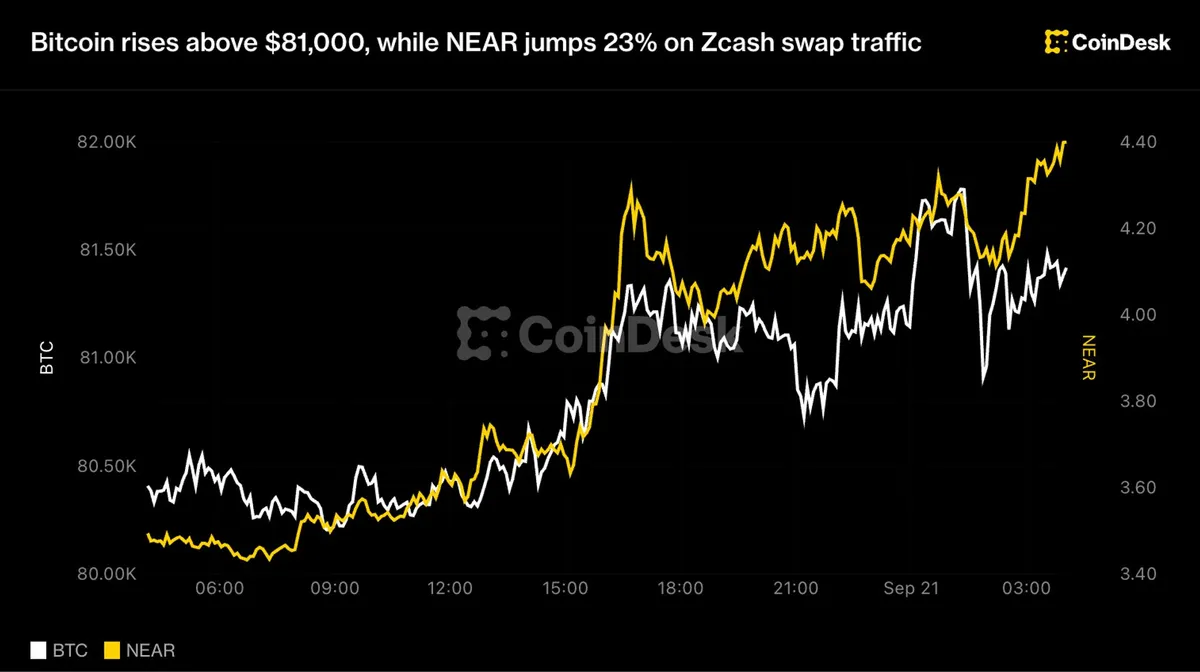
Bitcoin surpasses $81,000 as NEAR surges 23% amid Zcash swap activity