Critics warn Ethereum's EIP-8363 staking proposal could harm DeFi and adoption

Ethereum's latest proposal, EIP-8363, is stirring significant controversy within the crypto community. The Ethereum Improvement Proposal aims to overhaul the staking mechanism, primarily focusing on reducing the overall issuance of ETH. While proponents argue that this move could enhance the long-term value of the cryptocurrency, critics are voicing concerns that such changes could negatively impact decentralized finance (DeFi) platforms, undermine the network's decentralization, and hinder institutional adoption of Ethereum as a viable asset.
The backdrop for this debate involves Ethereum's ongoing evolution and the broader context of staking mechanisms in cryptocurrency. Since transitioning to a proof-of-stake consensus mechanism with Ethereum 2.0, the network has been under scrutiny regarding its issuance rates and their implications for both the ecosystem and its users. The original design aimed to balance security and decentralization, but as Ethereum continues to grow, so too do the complexities of its economic model, prompting discussions around modifications like EIP-8363.
This proposal matters significantly for the market as it directly speaks to the future of Ethereum's monetary policy and its implications for ETH holders. A reduction in issuance could theoretically lead to increased scarcity, potentially boosting ETH's price. However, the risks associated with diminishing support for DeFi projects, which have played a crucial role in Ethereum's ecosystem, could undermine overall market confidence. Investors and developers alike are closely monitoring how this proposal could reshape the landscape of Ethereum and its related projects.
Industry reactions to EIP-8363 have been decidedly mixed. Some experts believe that while reducing issuance could help stabilize ETH's value, the potential pitfalls, such as diminished liquidity in DeFi and centralization concerns, could outweigh the benefits. Critics argue that the proposal may prioritize short-term value gains over the foundational principles of decentralization that underpin Ethereum's appeal to many users and developers.
Looking ahead, the Ethereum community will likely continue to engage in heated discussions surrounding EIP-8363 as it seeks to balance the desires for reduced issuance with the need to foster a healthy and decentralized ecosystem. The coming weeks could see further proposals or amendments aimed at addressing concerns raised during the ongoing debate, as stakeholders aim to find common ground on Ethereum's future.

CoinMagnetic Team
Crypto investors since 2017. We trade with our own money and test every exchange ourselves.
Updated: August 2026
From our insights:
Related news

Solstice CEO predicts less volatile future for crypto cycles amid liquidity growth

Pragma flags 6 price feeds as critical risk following $3.5M Starknet lending exploit

Ethereum's $120 billion in staking masks underlying supply dynamics

NEAR price surges 80% weekly as Intents volume approaches $30 billion
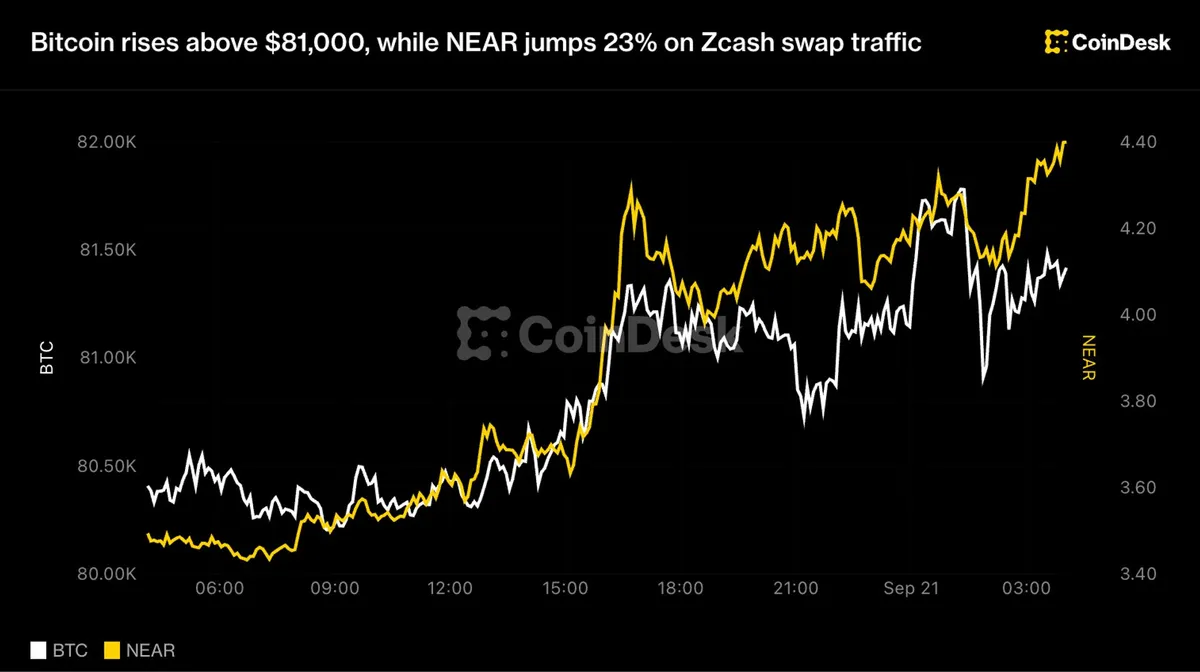
Bitcoin surpasses $81,000 as NEAR surges 23% amid Zcash swap activity