Domestic stablecoins could boost demand for dollar-backed tokens: IMF
The International Monetary Fund (IMF) has recently highlighted the potential for domestic stablecoins to elevate the demand for dollar-backed tokens. Dan Katz, the IMF's first deputy managing director, noted that users might gravitate towards digital dollars due to their inherent liquidity, favorable network effects, and their ability to facilitate cross-border transactions. This insight comes at a time when the cryptocurrency landscape is increasingly integrating with traditional finance, and the role of stablecoins is becoming more pronounced in global markets.
The emergence of stablecoins has been a significant development in the crypto space, providing a bridge between volatile cryptocurrencies and traditional fiat currencies. With many users seeking stability in their digital assets, stablecoins have gained popularity for their pegged value to fiat currencies, particularly the U.S. dollar. The IMF’s remarks underscore a growing recognition of how domestic stablecoins could enhance the utility of dollar-backed tokens, potentially leading to increased adoption among users who prioritize liquidity and ease of use in transactions.
This potential shift in demand for dollar-backed stablecoins is particularly important as it could reshape market dynamics. Increased adoption of stablecoins linked to the U.S. dollar may provide a stronger foundation for the global crypto market, especially in regions where traditional banking infrastructure is lacking. Such developments could lead to greater financial inclusion and a more robust framework for cross-border trade, enhancing market efficiency and potentially stabilizing the crypto ecosystem.
Industry experts have reacted positively to the IMF's insights, emphasizing that the recognition by such a prominent institution points to the evolving role of cryptocurrencies in the financial system. Analysts believe that a greater emphasis on stablecoins could lead to innovations in digital payment systems and financial services. Many see this as a validation of the stablecoin market's potential to integrate into the broader economy, noting that it could propel further regulatory discussions and frameworks surrounding digital currencies.
Looking ahead, the dialogue around domestic stablecoins and their impact on dollar-backed tokens is likely to continue gaining momentum. As governments and regulatory bodies adapt to the rise of digital currencies, stakeholders in the crypto space will need to navigate these developments carefully. The IMF’s observations may catalyze further research and policy considerations, ultimately shaping the future landscape of digital finance and the role of stablecoins within it.

CoinMagnetic Team
Crypto investors since 2017. We trade with our own money and test every exchange ourselves.
Updated: August 2026
From our insights:
Related news

Solstice CEO predicts less volatile future for crypto cycles amid liquidity growth

Pragma flags 6 price feeds as critical risk following $3.5M Starknet lending exploit

Ethereum's $120 billion in staking masks underlying supply dynamics

NEAR price surges 80% weekly as Intents volume approaches $30 billion
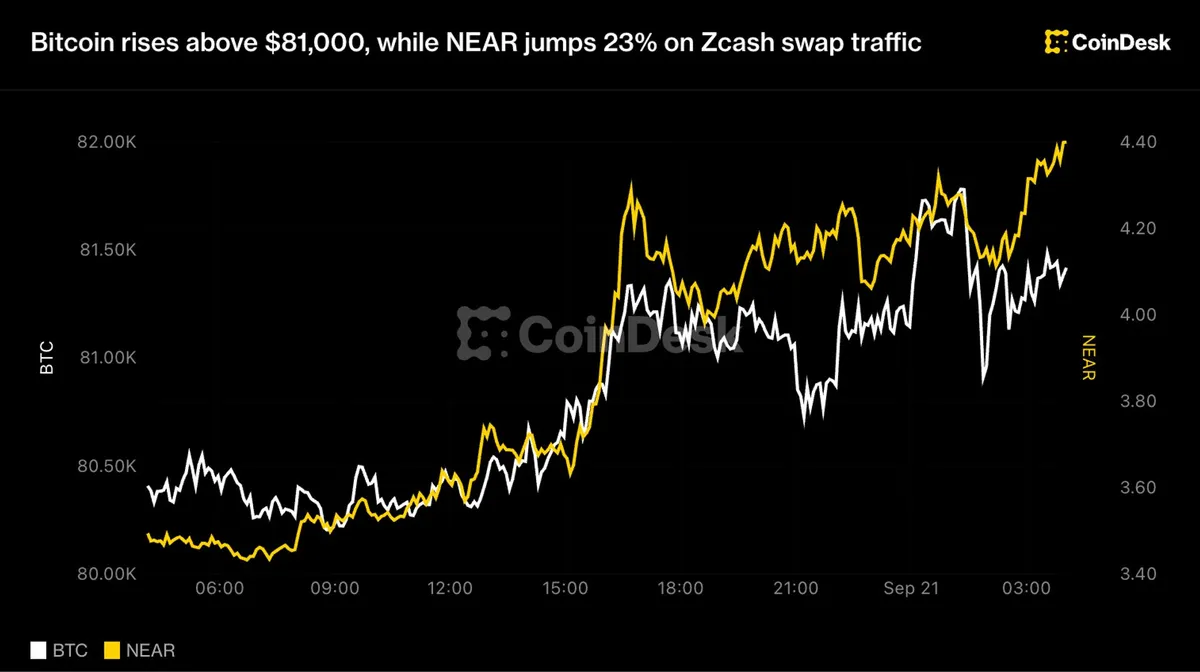
Bitcoin surpasses $81,000 as NEAR surges 23% amid Zcash swap activity