Tornado Cash developer Roman Storm’s retrial delayed to April 2027
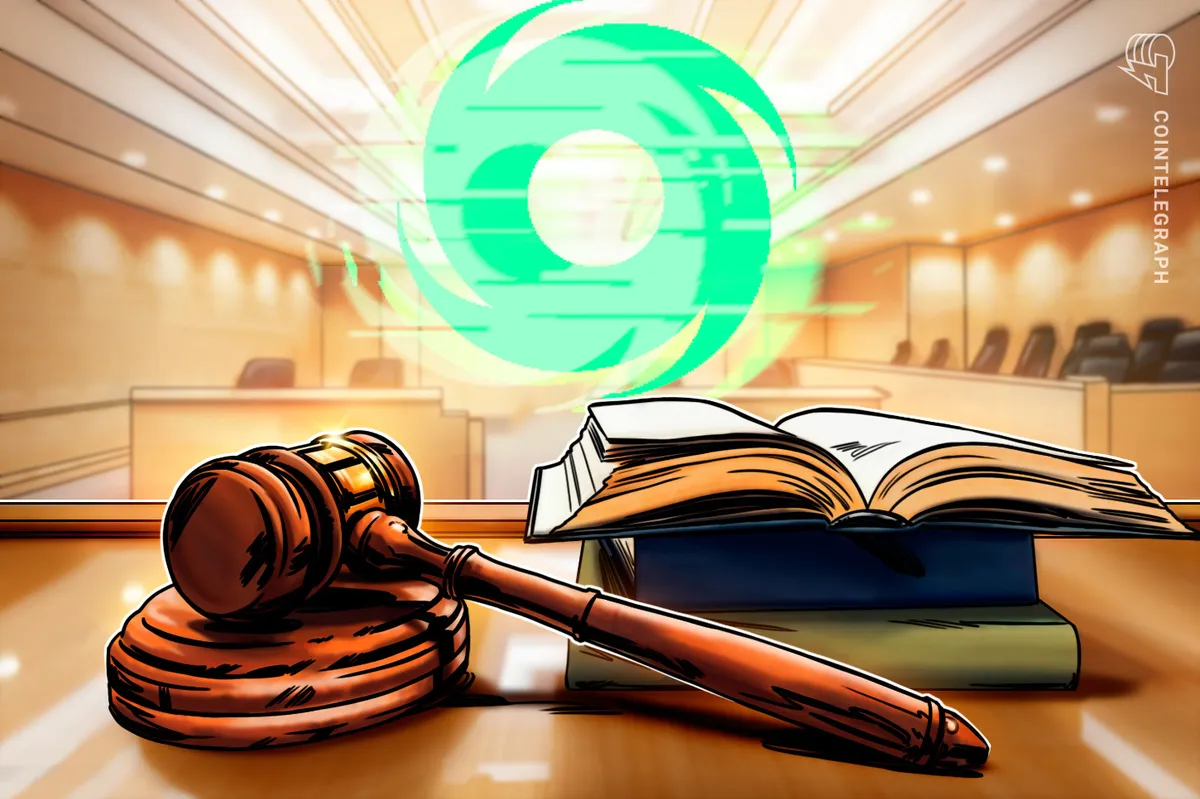
The retrial for Tornado Cash developer Roman Storm has been delayed until April 2027, as announced by Judge Katherine Polk Failla. This adjournment comes in response to Storm's pending motion for acquittal, along with a related request for a continuance. Storm, who is one of the key figures behind the controversial privacy tool Tornado Cash, faces serious legal challenges that have sparked significant attention in the crypto community.
The context surrounding this case is rooted in the complexities of cryptocurrency regulation and the use of privacy tools. Tornado Cash was designed to enhance user privacy by obscuring the transaction details on the Ethereum blockchain, a feature that has made it popular among users seeking anonymity. However, this same functionality has drawn scrutiny from regulators, particularly in the context of anti-money laundering efforts and compliance with financial regulations. The legal proceedings against Storm are emblematic of broader tensions between innovation in the blockchain space and regulatory frameworks.
The implications of this delayed retrial are significant for the cryptocurrency market, especially for projects focused on privacy and anonymity. As regulatory bodies continue to tighten their grip on crypto-related activities, the outcome of Storm's case could set a precedent for how similar technologies are treated in the future. Investors and developers alike are closely watching how this legal battle unfolds, as it may influence regulatory attitudes towards privacy-enhancing technologies.
Industry reaction to the postponement has been mixed, with some experts expressing concern over the lengthy legal process and its potential chilling effect on innovation. Others see it as an opportunity for the defense to strengthen its case. Legal analysts suggest that the outcome of this retrial could have lasting ramifications for developers operating in the crypto space, particularly those working on privacy solutions. As the case progresses, it is likely to generate further debate about the balance between privacy rights and regulatory compliance in the rapidly evolving world of cryptocurrency.
Looking ahead, the delay until April 2027 provides both the defense and prosecution additional time to prepare their cases. This could lead to more developments in the legal landscape surrounding cryptocurrency privacy tools. As the crypto industry continues to evolve, the outcomes of such high-profile cases will be critical in shaping the future of privacy in blockchain technology and determining how developers navigate compliance challenges.

CoinMagnetic Team
Crypto investors since 2017. We trade with our own money and test every exchange ourselves.
Updated: August 2026
From our insights:
Related news

George Washington University physicists devise formula to forecast chatbot failure
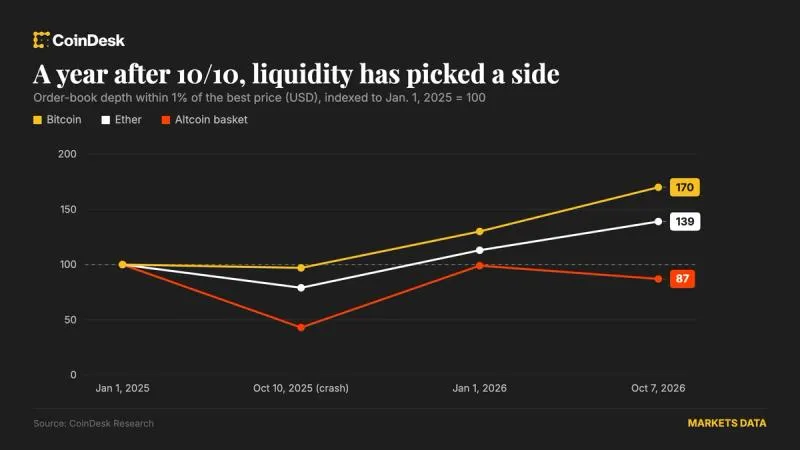
One year after 10/10 flash crash, bitcoin and ether liquidity have rebuilt, but altcoins still face risks

Tokenized commodities expand past gold into lending and oil markets

Justin Sun says Tron’s post-quantum cryptography has gone live on testnet

Traders adopt better risk tools one year after a $19 billion bitcoin flash crash