Traders adopt better risk tools one year after a $19 billion bitcoin flash crash

It has been one full year since a brutal flash crash erased approximately $19 billion in leveraged crypto bets across the digital asset ecosystem. At the time, cascading liquidations tore through major exchanges, exposing the extreme fragility of over-leveraged positions and catching thousands of market participants off guard. Today, as we look back at that massive market flush, we are examining whether the industry has truly evolved or simply reset the clock until the next inevitable squeeze.
To understand the gravity of that event, we have to look at the structural mechanics that fueled it. The crypto market has long relied on high leverage to amplify gains, but this practice creates a dangerous house of cards during periods of macro uncertainty. When prices started to slide, automated liquidations triggered a domino effect. Margin calls compounded rapidly, draining liquidity from order books and turning a routine market correction into a historic deleveraging cascade that left portfolios decimated.
For the broader market, this anniversary serves as a critical test of memory and maturity. High-stakes derivatives trading remains a core pillar of crypto volume, meaning the underlying temptation for excessive risk has not vanished. However, the $19 billion wipeout forced a painful reckoning among both retail participants and institutional desks. Market participants are now far more attuned to the dangers of unchecked leverage, recognizing that sudden volatility can dismantle even the most established trading strategies in a matter of hours.
Industry observers and risk analysts point out that while the systemic vulnerability of high leverage persists, the tools available to monitor it have markedly improved. Traders now utilize more sophisticated analytics platforms to track exchange inflows, open interest, and funding rates in real time. These enhanced visibility metrics allow proactive participants to spot brewing risks before liquidations reach catastrophic levels, shifting the defensive posture of the market.
Looking ahead, the lingering question is whether these new risk management habits will hold firm during the next parabolic bull run. As institutional capital continues to flow in and new derivatives products emerge, the temptation to chase outsized yields with borrowed funds will inevitably return. How the market responds to that next wave of temptation will determine if the lessons from the $19 billion flash crash were truly learned or merely sidelined until the next crisis.

CoinMagnetic Team
Crypto investors since 2017. We trade with our own money and test every exchange ourselves.
Updated: October 2026
From our insights:
Related news
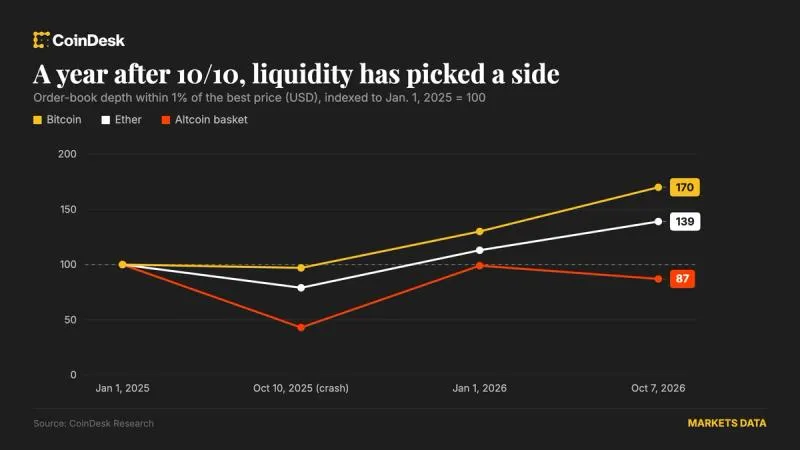
One year after 10/10 flash crash, bitcoin and ether liquidity have rebuilt, but altcoins still face risks

Tokenized commodities expand past gold into lending and oil markets

Justin Sun says Tron’s post-quantum cryptography has gone live on testnet

European tech leadership addresses growing worries over uncontrolled AI development
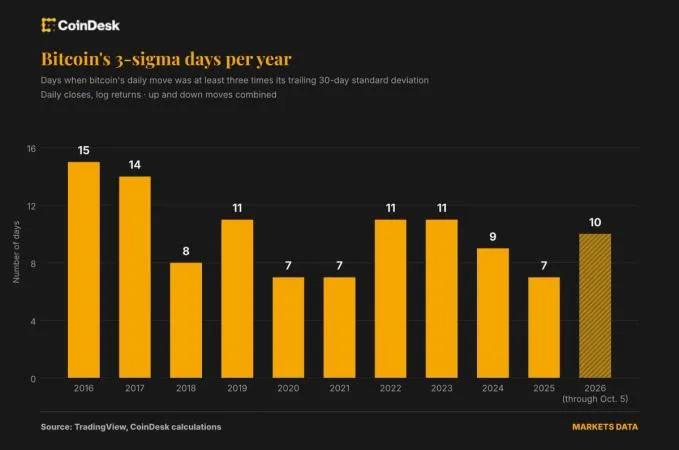
Ten unusual trading days in 2026 challenge traditional risk measures for bitcoin