Tokenized commodities expand past gold into lending and oil markets
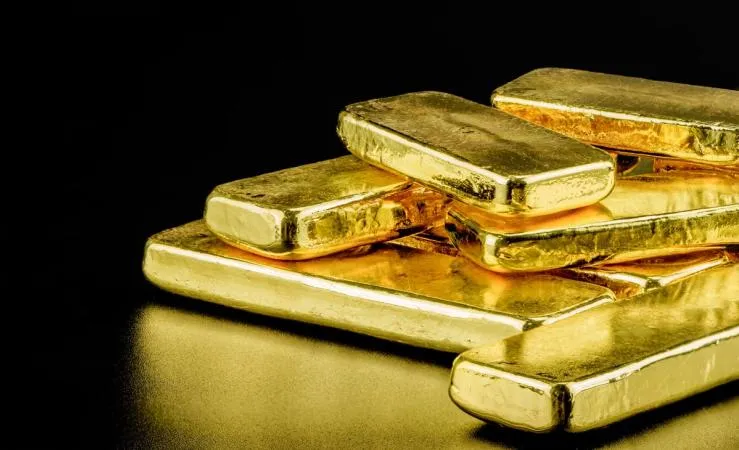
As the digital asset space continues to evolve, market participants are looking closely at how real-world assets can be integrated into blockchain infrastructure. Executives from Paxos Labs, Theo, and Energy Substantiation recently highlighted that the next wave of growth in tokenized commodities is moving beyond traditional gold products. While precious metals have historically dominated this sector, industry leaders point to lending facilities and energy markets as the new frontiers for physical asset tokenization.
Tokenization involves creating digital representations of physical goods on a distributed ledger, allowing for enhanced transparency, fractional ownership, and faster settlement times. Gold-backed tokens established a strong precedent by offering investors a digital alternative to holding physical bullion in vaults. Building on this foundation, firms are now exploring how more complex commodities and financial instruments can be brought on-chain to unlock liquidity that traditionally remains trapped in legacy financial systems.
For the broader crypto market, the expansion into tokenized commodities and related lending products matters because it bridges traditional finance with decentralized networks. Bringing assets like oil and structured credit on-chain creates new yield-generating opportunities and diversifies the types of collateral available in decentralized finance protocols. This convergence could attract a larger volume of institutional capital as traditional market participants seek efficient ways to interact with physical commodities through digital rails.
Industry experts note that while precious metals offer a straightforward pathway for adoption, energy markets present a significantly tougher operational test. Unlike gold, commodities such as oil and natural gas involve complex logistics, storage challenges, and varying regulatory frameworks across jurisdictions. Executives emphasize that successfully tokenizing energy requires rigorous data verification and strong legal structures to ensure the digital token accurately reflects the underlying physical inventory.
Looking ahead, the pace at which these new commodity markets develop will likely depend on regulatory clarity and technological advancements in data verification. As firms refine their approaches to tracking physical assets and integrating them with lending mechanisms, the market will monitor whether oil and other non-precious commodities can achieve the same level of traction as gold-backed tokens.

CoinMagnetic Team
Crypto investors since 2017. We trade with our own money and test every exchange ourselves.
Updated: October 2026
From our insights:
Related news
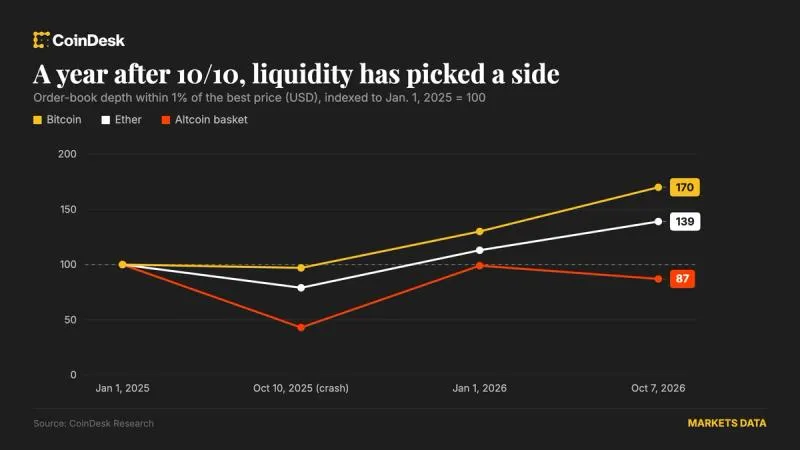
One year after 10/10 flash crash, bitcoin and ether liquidity have rebuilt, but altcoins still face risks

Justin Sun says Tron’s post-quantum cryptography has gone live on testnet

Traders adopt better risk tools one year after a $19 billion bitcoin flash crash

European tech leadership addresses growing worries over uncontrolled AI development
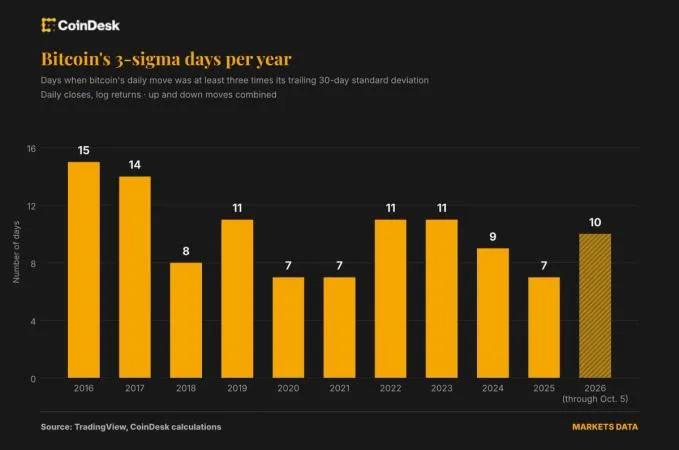
Ten unusual trading days in 2026 challenge traditional risk measures for bitcoin