Tokenized RWA market cap rises 40% to top $51 billion as industry races to define equity tokenization model: Bernstein

The tokenized real-world asset (RWA) market has seen a significant surge, with its market capitalization climbing by 40% to surpass $51 billion. This impressive growth is largely driven by a remarkable 130% increase in equity tokenization. As the industry evolves, various firms are scrambling to establish a robust business model that can define the future of equity tokenization. The surge reflects a growing recognition of the potential that tokenized assets hold in transforming traditional finance and investment landscapes.
The concept of tokenization has been gaining traction over recent years but has accelerated notably in 2023. With the advent of blockchain technology, assets that were once illiquid or difficult to trade are now being digitized, enabling fractional ownership and increased liquidity. Equity tokenization, in particular, has attracted attention from both startups and established financial institutions, all eager to tap into a market that promises to enhance access to capital, democratize investment opportunities, and streamline transactions.
This surge in market cap and the focus on equity tokenization is a crucial indicator of the broader acceptance of blockchain technologies in financial markets. As the market grows, it provides new opportunities for investors and companies alike, potentially reshaping how capital is raised and how investors engage with assets. The competition to define the winning business model in this space could lead to innovative solutions that increase efficiency and expand the types of assets that can be tokenized, ultimately benefiting the entire ecosystem.
Industry experts have expressed a mix of optimism and caution regarding this development. Some believe that the growth in the tokenized RWA market is a sign of maturation within the blockchain space, as more players recognize the advantages of tokenization. However, others warn that the rush to establish a business model could lead to fragmentation and regulatory challenges. The need for clear guidelines and frameworks will be essential to ensure that this burgeoning market develops in a sustainable and compliant manner.
Looking ahead, the focus on equity tokenization is likely to intensify as firms continue to innovate and adapt to the changing landscape. As the market for tokenized RWAs expands, we can expect to see increased collaboration among stakeholders, including regulatory bodies, to create a more defined framework for this emerging sector. The next few months will be critical in determining which business models will prevail and how they will shape the future of investment in real-world assets.

CoinMagnetic Team
Crypto investors since 2017. We trade with our own money and test every exchange ourselves.
Updated: June 2026
From our insights:
Related news

Solstice CEO predicts less volatile future for crypto cycles amid liquidity growth

Pragma flags 6 price feeds as critical risk following $3.5M Starknet lending exploit
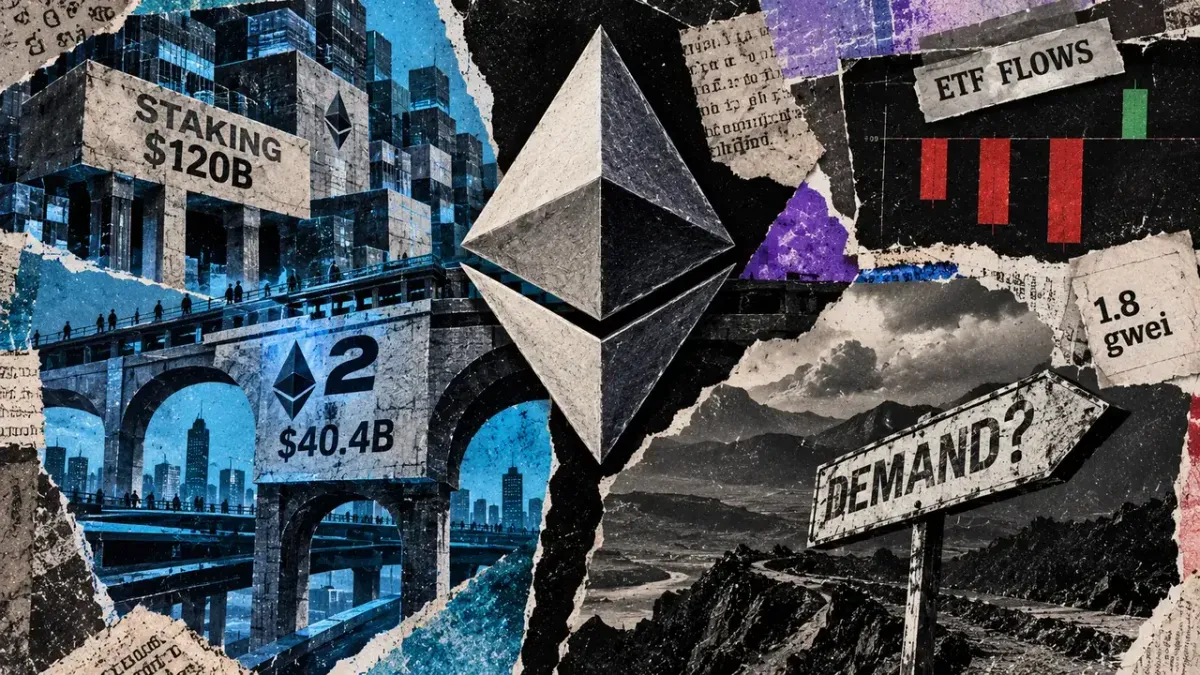
Ethereum's $120 billion in staking masks underlying supply dynamics

NEAR price surges 80% weekly as Intents volume approaches $30 billion
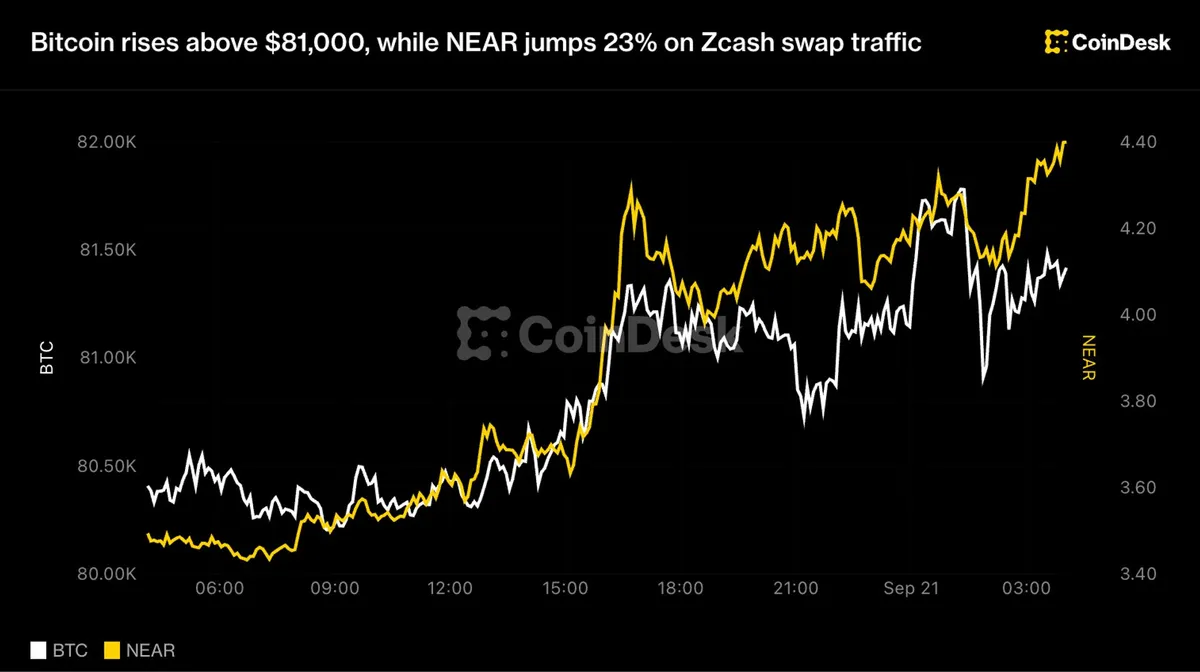
Bitcoin surpasses $81,000 as NEAR surges 23% amid Zcash swap activity