The next DeFi drain could come from legacy contracts everyone forgot

Recently, the DeFi sector faced a significant setback when an exploit targeting legacy contracts associated with Raydium's Automated Market Maker (AMM) V3 drained approximately $1.34 million. This incident involved outdated programs linked to five liquidity pools, which have since been phased out and are no longer supported by Raydium's user interface or software development kit. As a result, these contracts were essentially invisible to current users, leading to a stark realization about the vulnerabilities that linger in the shadow of legacy systems. The exploit underscores a critical issue within the DeFi space–namely, the often-overlooked risks associated with contracts that may no longer be actively managed or monitored.
The background of this situation reveals a broader trend within the DeFi ecosystem, where the rapid pace of innovation can sometimes leave older contracts unattended. Many projects initially deploy contracts with the intention of maintaining and updating them, but as the focus shifts to new developments, these legacy systems can become neglected. In Raydium's case, the failure to adequately address the lifecycle management of these phased-out contracts has highlighted a pressing concern in the industry: the potential for unforeseen exploits that can arise from forgotten infrastructure.
This incident holds significant implications for the DeFi market as it raises awareness about the importance of ongoing vigilance and management of all deployed contracts, not just the ones currently in use. Investors and users must now reassess the security of their assets, particularly in platforms boasting legacy contracts. The event may also prompt a reevaluation of security protocols among DeFi projects, leading to an increased emphasis on comprehensive audits and ongoing monitoring of all smart contracts, regardless of their status.
Industry experts have reacted to the Raydium exploit with a mix of concern and calls for greater diligence. Many have pointed out that this incident serves as a stark reminder that even well-regarded platforms are not immune to vulnerabilities. Some analysts suggest that this could lead to a more cautious approach among investors, who may start to scrutinize the security measures of projects more closely. Others advocate for the development of robust frameworks for lifecycle management, ensuring that even phased-out contracts are subject to regular assessments to avoid similar exploits in the future.
Looking ahead, it is crucial for DeFi projects to take proactive steps to mitigate the risks associated with legacy contracts. This may include implementing automated systems for monitoring contract status, conducting regular security audits, and maintaining clear communication with users regarding the state of all contracts. As the DeFi landscape continues to evolve, the emphasis on security and lifecycle management will likely play a pivotal role in shaping the future of decentralized finance, ensuring that the industry can sustain its growth while protecting users from potential vulnerabilities.

CoinMagnetic Team
Crypto investors since 2017. We trade with our own money and test every exchange ourselves.
Updated: June 2026
From our insights:
Related news

Solstice CEO predicts less volatile future for crypto cycles amid liquidity growth

Pragma flags 6 price feeds as critical risk following $3.5M Starknet lending exploit

Ethereum's $120 billion in staking masks underlying supply dynamics

NEAR price surges 80% weekly as Intents volume approaches $30 billion
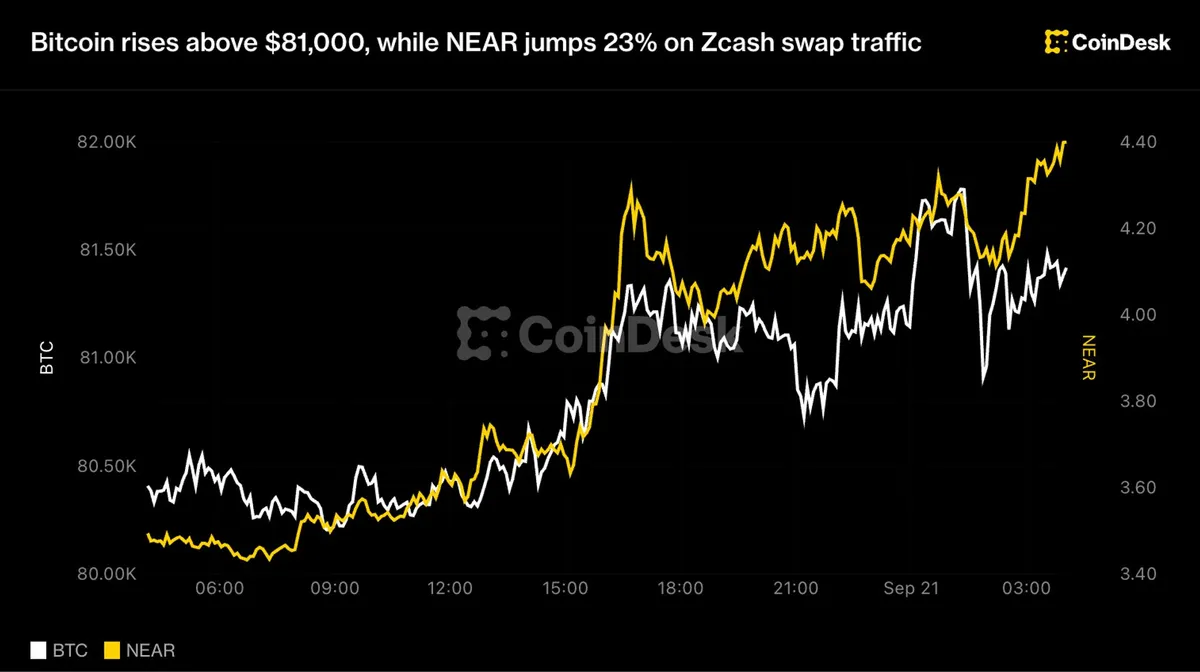
Bitcoin surpasses $81,000 as NEAR surges 23% amid Zcash swap activity