Tether claims $1.5B profit, but hidden math reveals a $4.2B hit that halved its safety cushion in 90 days

Tether, the largest stablecoin issuer, recently reported a net operating profit of $1.5 billion for the second quarter of 2023, which it attributes largely to its operations in U.S. Treasuries and repurchase agreements. While this figure may initially paint a picture of financial health, a closer examination of Tether's reserve report reveals a more troubling financial narrative. The report shows a negative $3.17 billion result for the first half of the year, raising questions about the company's overall stability. This discrepancy between the reported profit and the actual financial performance points to a concerning $4.2 billion hit that has effectively halved Tether's safety cushion within a mere 90 days.
To understand the implications of Tether's recent financial disclosures, we must consider the company's role within the cryptocurrency ecosystem. Tether's USDT stablecoin is widely used for trading and liquidity across numerous exchanges, making its financial health critical for market confidence. A stablecoin’s value is typically pegged to the U.S. dollar, and any signs of weakness or instability can lead to significant market volatility. This is particularly important as the cryptocurrency market has become increasingly interconnected and sensitive to the financial maneuvers of major players like Tether.
The revelations surrounding Tether's financial situation could have profound implications for the broader cryptocurrency market. Investors and traders may begin to question the reliability of USDT as a stable medium of exchange, potentially prompting a shift towards alternative stablecoins or other forms of digital assets. The halving of Tether's safety cushion raises concerns about liquidity and the potential for a loss of peg, which could trigger a chain reaction of selling and further destabilization across the crypto landscape.
Industry experts have expressed mixed reactions to Tether's financial disclosures. Some analysts argue that the profit figure may have been overstated or that the financial results lack sufficient transparency, raising red flags about the company’s risk management practices. Others suggest that Tether's strong liquidity and ongoing backing by traditional financial instruments could mitigate some of these concerns. Nonetheless, the uncertainty surrounding Tether's financial health is prompting discussions about the need for stricter regulations and greater transparency in the stablecoin sector.
Looking ahead, Tether will need to address these discrepancies and bolster confidence among its users and the broader market. The company may have to provide clearer reconciliations between its reported profits and financial results to dispel concerns about its stability. As regulators continue to scrutinize the stablecoin market, Tether's forthcoming actions will likely be watched closely, as they could set important precedents for transparency and accountability in the cryptocurrency industry.

CoinMagnetic Team
Crypto investors since 2017. We trade with our own money and test every exchange ourselves.
Updated: August 2026
From our insights:
Related news

Proposed H.R. 10357 aims to simplify crypto use while raising $500 million in taxes
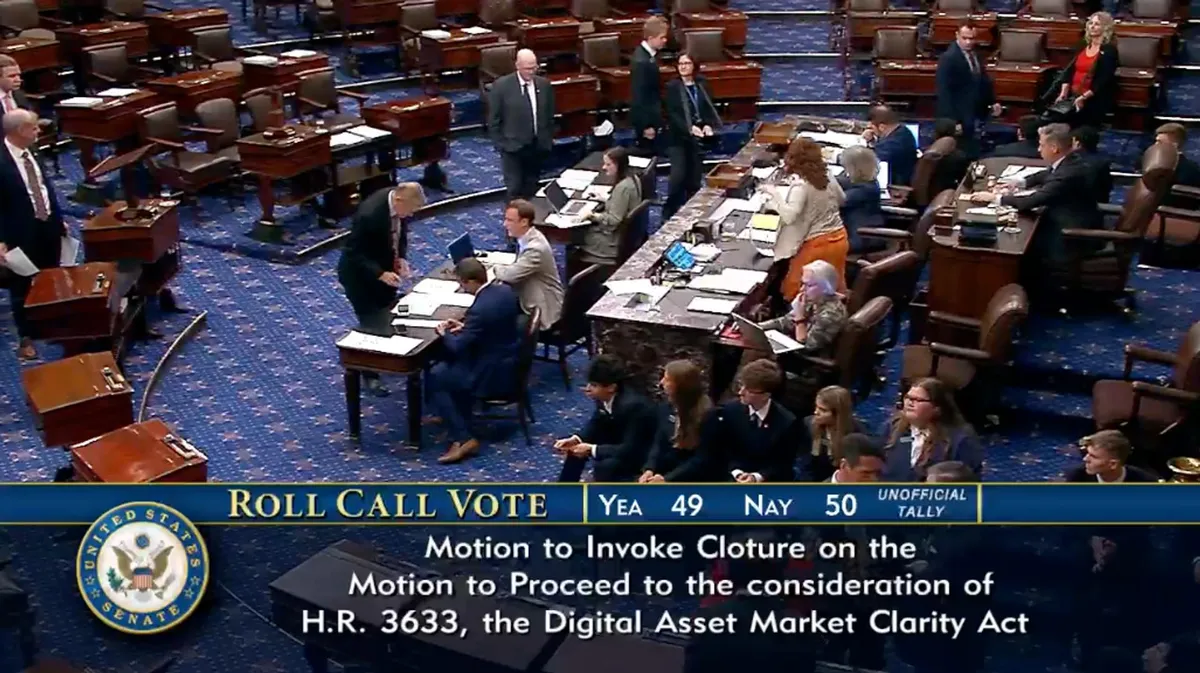
Disputes undermine crypto industry's hopes for Clarity Act legislation

Bank of England official sees stablecoins enhancing US dollar demand and Treasury purchases

DOJ charges Robinhood engineers with front-running crypto listings on Hyperliquid
House markup could advance long-awaited 'De Minimis' tax break for crypto