Disputes undermine crypto industry's hopes for Clarity Act legislation
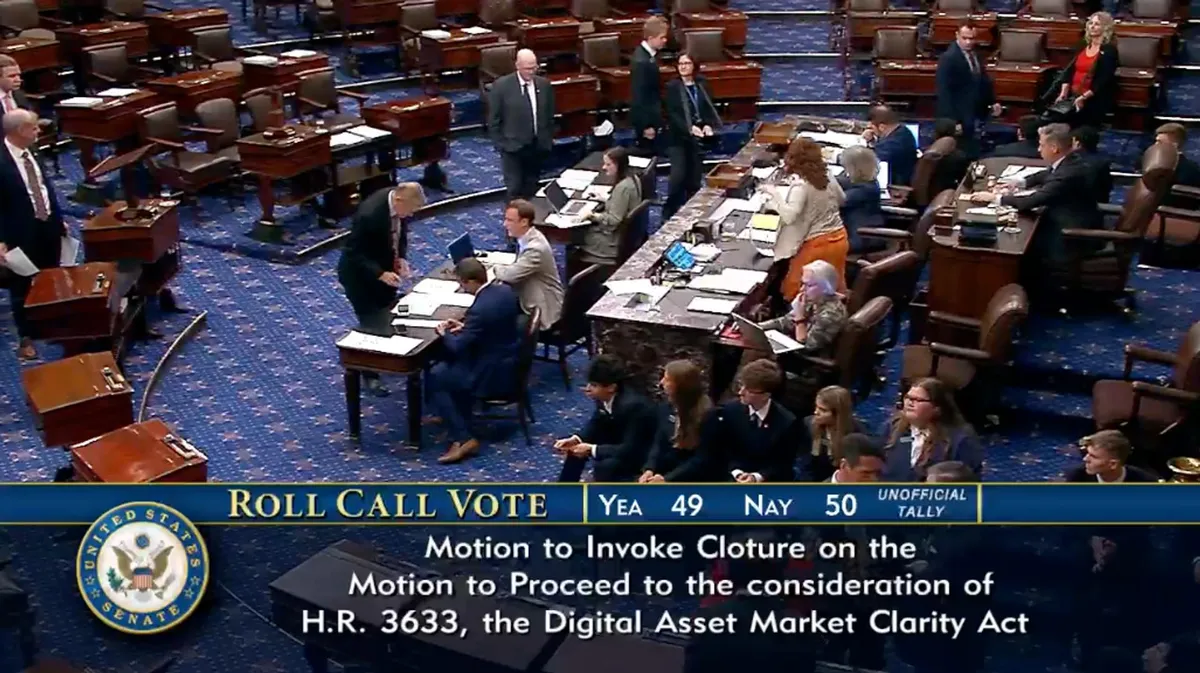
Recent developments surrounding the Clarity Act have left the crypto industry disheartened, as last-minute disputes jeopardized the legislation's potential to reshape market structure. The Act, which many stakeholders saw as a crucial step toward establishing clear regulatory guidelines for cryptocurrencies, ultimately faced hurdles that led to a disappointing outcome. The fallout from these behind-the-scenes disagreements has raised questions about the future of regulatory progress in the sector, which many had hoped would provide much-needed clarity and support for crypto innovation.
The Clarity Act was introduced with the aim of providing a defined framework for the treatment of digital assets, a significant move considering the current regulatory ambiguity facing the crypto market. Historically, the lack of clear guidelines has led to confusion among investors, developers, and regulators alike, creating an environment of uncertainty. The Act was perceived as a beacon of hope, particularly for industry advocates who argued that clearer rules would facilitate growth and encourage institutional investment. However, the recent disputes highlight the complexities of navigating legislative processes in a rapidly evolving industry.
The implications of this setback for the market could be substantial. Investors were looking to the Clarity Act as a catalyst for increased confidence in crypto assets, and the failure to pass the legislation may contribute to further market volatility. Without a solid regulatory foundation, the industry could continue to face challenges that deter potential participants and hinder innovation. The disappointment surrounding the Clarity Act may also influence how lawmakers approach future legislation related to cryptocurrencies, potentially slowing down progress in the long run.
Industry reactions have varied, with some experts expressing frustration over the missed opportunity for establishing a clearer regulatory landscape. Others have pointed to the necessity of ongoing dialogue between lawmakers and industry stakeholders to ensure that future attempts at regulation are more inclusive and representative of the needs of the crypto community. The situation emphasizes the importance of collaboration in shaping effective policy that can foster a healthy market environment.
Looking ahead, the focus will likely shift to how the industry can regroup and advocate for a more favorable regulatory framework. Stakeholders may need to explore alternative strategies to engage with lawmakers and address the concerns that arose during the Clarity Act discussions. As the crypto landscape continues to evolve, the need for clear, coherent regulations will remain a priority, and the lessons learned from this experience could inform future efforts.

CoinMagnetic Team
Crypto investors since 2017. We trade with our own money and test every exchange ourselves.
Updated: September 2026
From our insights:
Related news

Proposed H.R. 10357 aims to simplify crypto use while raising $500 million in taxes

Bank of England official sees stablecoins enhancing US dollar demand and Treasury purchases

DOJ charges Robinhood engineers with front-running crypto listings on Hyperliquid
House markup could advance long-awaited 'De Minimis' tax break for crypto

ECB invites merchants to join digital euro pilot program for 12 months