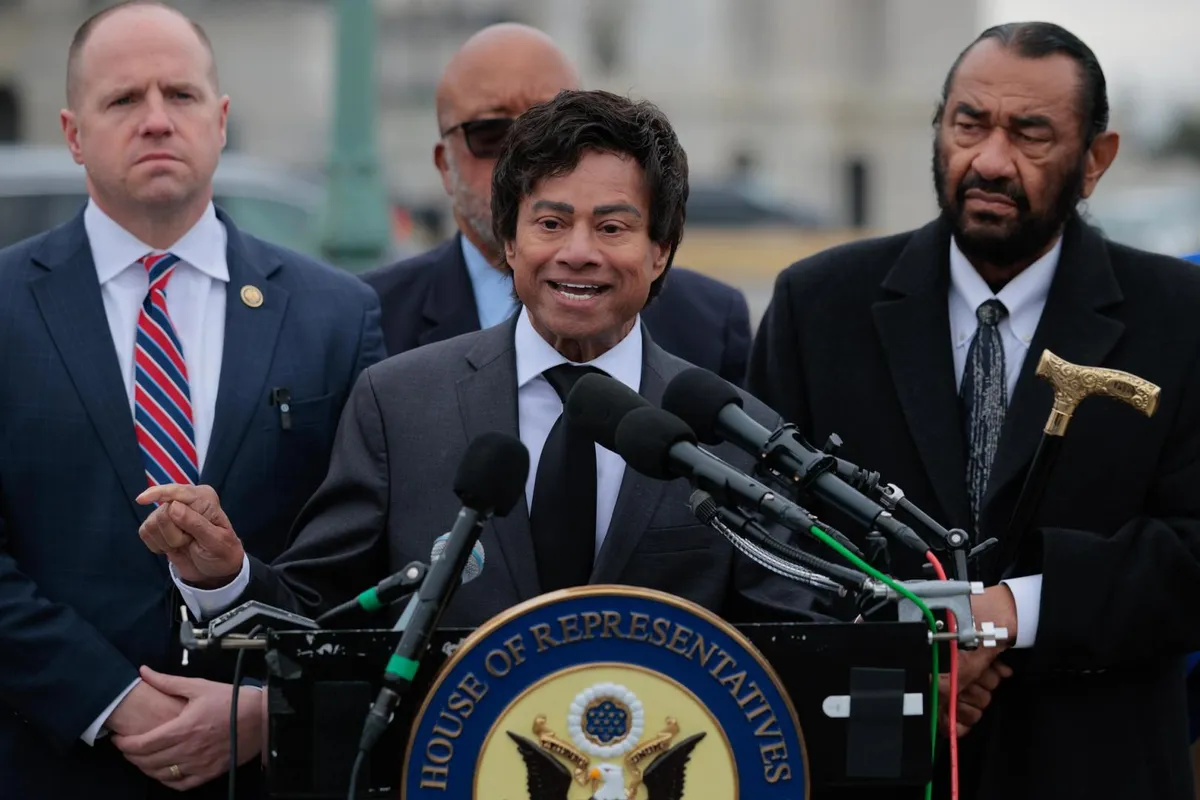
DOJ charges Robinhood engineers with front-running crypto listings on Hyperliquid

The U.S. Department of Justice (DOJ) has charged two engineers from Robinhood for allegedly engaging in front-running activities related to upcoming cryptocurrency listings on the Hyperliquid exchange. Prosecutors claim that these individuals took advantage of their insider knowledge by purchasing tokens ahead of the company's public listing announcements, which are expected to occur between 2025 and 2026. This situation has raised significant concerns regarding market integrity and the ethical conduct of individuals working in the crypto space.
The context of this case highlights the increasing scrutiny that both traditional and emerging financial platforms face as the cryptocurrency market continues to grow. Front-running, a practice where someone uses confidential information to gain an unfair advantage in trading, undermines the principle of fair access to information for all market participants. The DOJ's actions reflect a broader trend of regulatory bodies tightening their grip on the crypto industry amid concerns that such practices could erode investor confidence and destabilize emerging markets.
This development matters for the market as it underscores the ongoing challenges of regulation and ethical behavior within the rapidly evolving cryptocurrency landscape. Incidents of insider trading and front-running can lead to heightened regulatory scrutiny, potential penalties, and a loss of trust from investors. If these charges lead to convictions, it could set a precedent that influences how other firms operate, impacting their strategies and compliance measures.
Industry reactions have been mixed, with some experts expressing concern that this case could deter talented individuals from entering the crypto sector due to fears of legal repercussions. Others argue that increased oversight is necessary to foster a healthier market environment. The allegations serve as a reminder that while the crypto space offers innovation and potential, it is also susceptible to unethical practices that can jeopardize its reputability.
Looking ahead, the outcome of this case could have significant implications for Robinhood and its employees, as well as for the broader cryptocurrency ecosystem. As more firms navigate the complexities of compliance and ethical trading, the industry may see an increase in self-regulatory measures aimed at preventing similar occurrences. Additionally, the DOJ’s actions may prompt other regulatory bodies to assess their own oversight frameworks in relation to cryptocurrency transactions.

CoinMagnetic Team
Crypto investors since 2017. We trade with our own money and test every exchange ourselves.
Updated: September 2026
From our insights:
Related news

Bank of England official sees stablecoins enhancing US dollar demand and Treasury purchases
House markup could advance long-awaited 'De Minimis' tax break for crypto

ECB invites merchants to join digital euro pilot program for 12 months

Clarity Act's passage likelihood declines as Republicans dismiss Democrats' proposal
Clarity Act's chances dim as crypto majors react to Democrat pushback