Proposed H.R. 10357 aims to simplify crypto use while raising $500 million in taxes

The U.S. Congress has introduced H.R. 10357, a legislative proposal designed to make cryptocurrency transactions more user-friendly while simultaneously increasing tax revenue by an estimated $500 million. This bill aims to ease payment processes, reduce fees associated with crypto transactions, and expand qualifying loans. Additionally, it seeks to broaden loss-deferral and trader-accounting rules, which may enhance the overall efficiency of cryptocurrency trading and investment for American users.
The context of this initiative stems from the growing adoption of cryptocurrencies and the need for regulatory frameworks that can keep pace with technological advancements. Lawmakers have been grappling with how to regulate the burgeoning crypto market effectively while ensuring that the U.S. Treasury benefits from this new financial landscape. As cryptocurrencies gain traction among individual and institutional investors alike, Congress is recognizing the importance of creating an environment that supports innovation while still capturing tax revenue.
This legislative move is significant for the cryptocurrency market as it signals a shift towards a more accommodating regulatory framework. By simplifying the use of cryptocurrencies, the bill could encourage more individuals to engage in crypto transactions, potentially leading to higher trading volumes. Furthermore, easing the tax implications could attract new investors who may have been hesitant due to the complexities surrounding crypto taxation.
Industry reactions to the proposed bill have been mixed. Some experts see it as a positive step toward legitimizing cryptocurrency and integrating it into the traditional financial system. They believe that clearer regulations will foster innovation and encourage broader participation in the market. However, there are concerns about how effectively the IRS will implement the new accounting rules and whether the anticipated tax revenue will be realized without stifling growth.
Looking ahead, if H.R. 10357 gains traction and becomes law, it could set a precedent for future legislation aimed at regulating digital assets. Such a move may lead to further adjustments in tax policies related to cryptocurrencies, creating a more structured environment for both investors and regulators. The ongoing dialogue in Congress will be crucial in shaping the future of crypto regulation and its impact on the market.

CoinMagnetic Team
Crypto investors since 2017. We trade with our own money and test every exchange ourselves.
Updated: September 2026
From our insights:
Related news
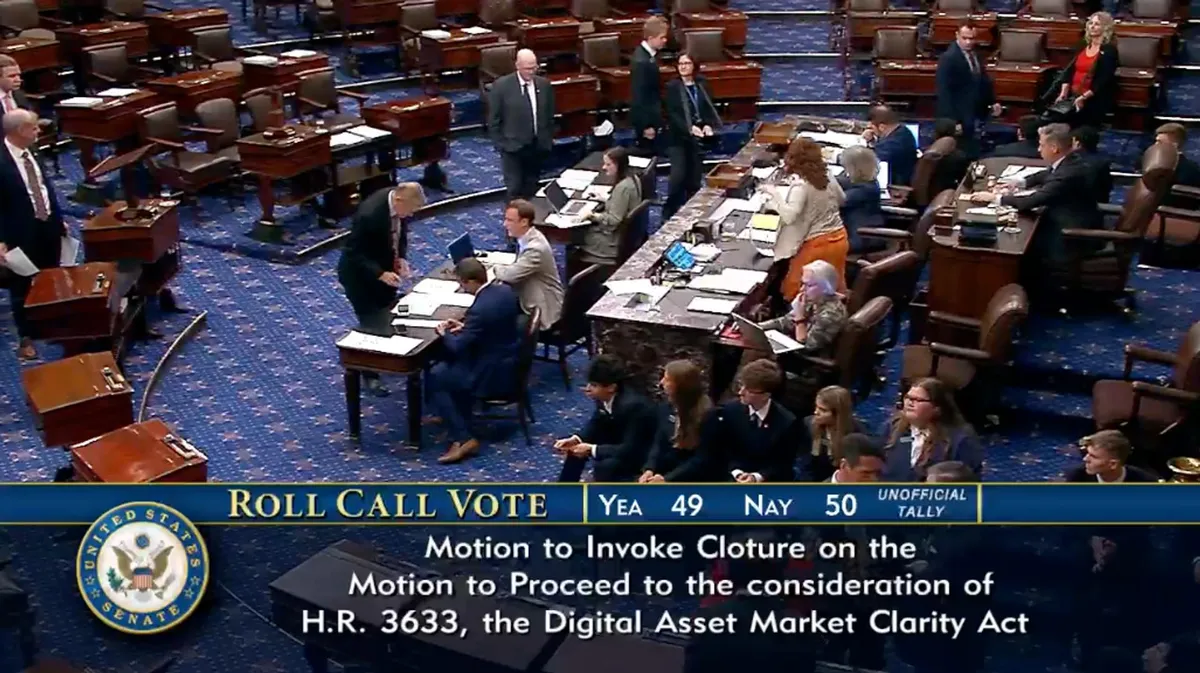
Disputes undermine crypto industry's hopes for Clarity Act legislation

Bank of England official sees stablecoins enhancing US dollar demand and Treasury purchases

DOJ charges Robinhood engineers with front-running crypto listings on Hyperliquid
House markup could advance long-awaited 'De Minimis' tax break for crypto

ECB invites merchants to join digital euro pilot program for 12 months