Telegram AI-powered crypto trading agents can now execute transfers, swaps and staking

In a significant development for the crypto space, Telegram has announced that its AI-powered trading agents can now execute various on-chain actions, including transfers, swaps, and staking. This feature allows users to fund a dedicated wallet for their trading agent, which can autonomously manage transactions on their behalf. The integration of AI into the trading experience aims to simplify the complexities of crypto trading and decentralized finance (DeFi) for users, enabling them to engage more effectively with the blockchain ecosystem without needing extensive technical knowledge.
Telegram's foray into AI-driven trading is a notable evolution for a platform that initially gained popularity as a messaging service. The rise of crypto trading bots and AI algorithms has been a growing trend, with many traders seeking automated solutions to navigate the volatile market. By introducing these features, Telegram is positioning itself as a key player in the intersection of social communication and financial technology. The company's decision to implement these capabilities reflects broader trends in the industry, where user-friendly access to DeFi tools is increasingly prioritized.
This development could have significant implications for the crypto market, as it democratizes access to trading strategies that were previously available only to experienced traders. By empowering more users to engage in transfers, swaps, and staking through an AI agent, Telegram is likely to facilitate increased trading volume and user interaction within the crypto ecosystem. Moreover, this could lead to greater adoption of DeFi protocols, as users can leverage the capabilities of AI to optimize their investments and manage risk more effectively.
Industry reactions to this announcement have been mixed but generally positive. Experts have highlighted the potential for AI to enhance trading efficiency and decision-making processes. However, some analysts caution that the introduction of automated trading agents also raises concerns regarding security and regulatory compliance. As these tools become more prevalent, the need for robust safeguards and transparency in transactions will become paramount. The community is eager to see how Telegram addresses these challenges as it rolls out its AI-powered trading features.
Looking ahead, it will be intriguing to observe how users adapt to these new trading capabilities and the impact on overall market dynamics. As Telegram continues to innovate within the crypto space, other platforms may follow suit, leading to a competitive environment where AI-driven trading solutions become commonplace. The success of these initiatives will largely depend on user trust and the effectiveness of the technology in navigating the complexities of the decentralized finance landscape.

CoinMagnetic Team
Crypto investors since 2017. We trade with our own money and test every exchange ourselves.
Updated: April 2026
From our insights:
Related news

Solstice CEO predicts less volatile future for crypto cycles amid liquidity growth

Pragma flags 6 price feeds as critical risk following $3.5M Starknet lending exploit
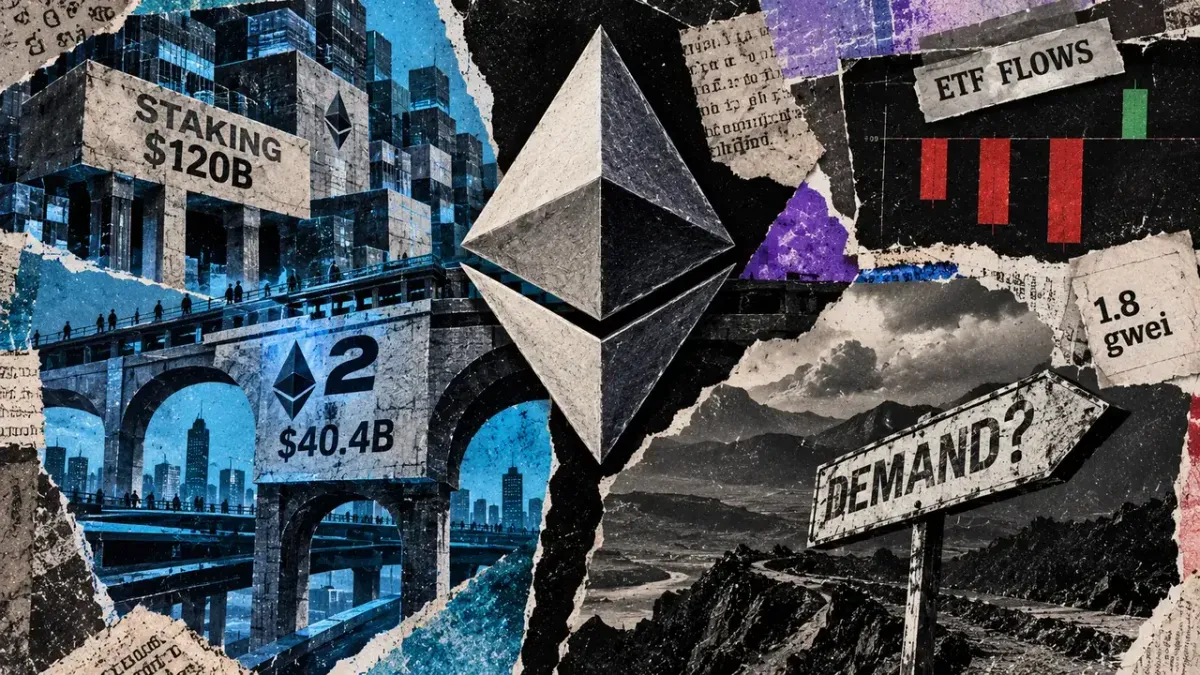
Ethereum's $120 billion in staking masks underlying supply dynamics

NEAR price surges 80% weekly as Intents volume approaches $30 billion
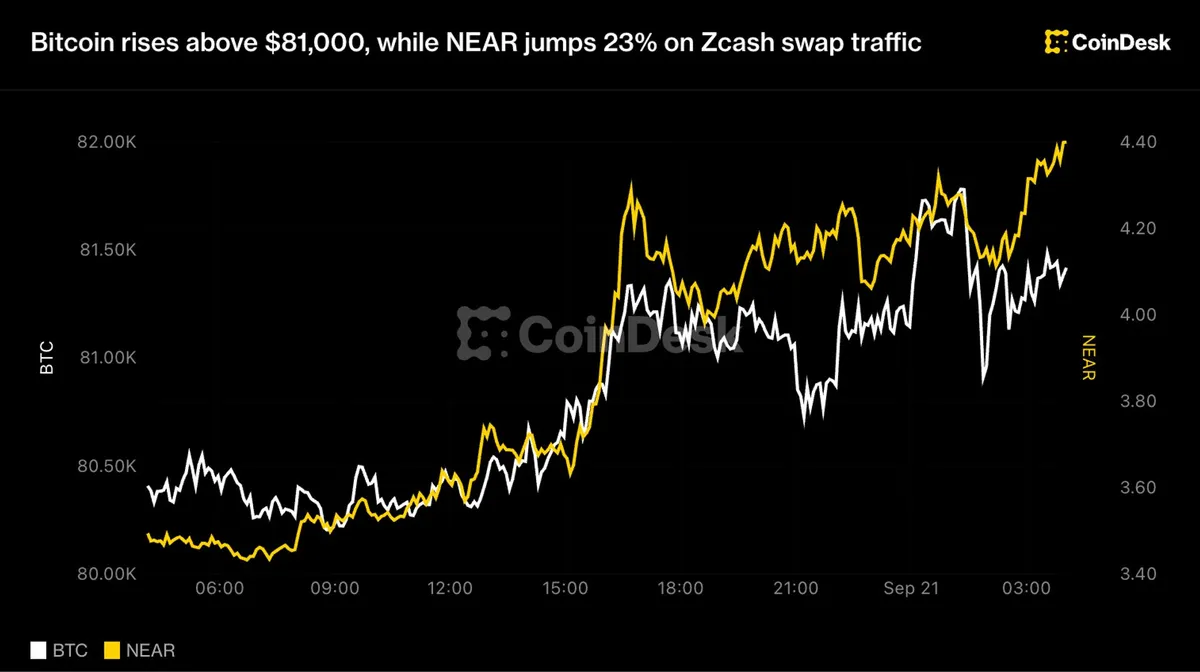
Bitcoin surpasses $81,000 as NEAR surges 23% amid Zcash swap activity