Standard Chartered’s $100 Uniswap call exposes the open DeFi problem Wall Street may need to solve

Standard Chartered recently made headlines with its bold prediction that the price of Uniswap's UNI token could reach $100. This forecast is based on the premise that tokenized assets must transition from closed financial systems to more open, liquid, and composable markets. The bank’s analysts argue that unlocking these assets will not only drive up demand for UNI but also enhance the overall functionality and efficiency of decentralized finance (DeFi). This call reflects a growing belief in the potential of DeFi to reshape traditional financial markets, but it also highlights significant hurdles that need to be addressed for this vision to materialize.
The background of this prediction revolves around the current state of DeFi and its limitations. As the crypto market has evolved, many assets remain trapped within proprietary platforms and centralized exchanges, limiting their liquidity and usability. Standard Chartered's analysis emphasizes that for DeFi to achieve mass adoption, it must enable seamless interaction across various platforms and applications. This requires a shift from the current closed ecosystems to more interoperable infrastructures, where tokenized assets can be freely traded and utilized across different DeFi protocols.
The implications of Standard Chartered's forecast for the market are substantial. If the financial community starts to embrace tokenized assets and pushes for more open systems, the demand for tokens like UNI could surge. Such a shift would not only benefit Uniswap but also catalyze the broader DeFi ecosystem, leading to increased innovation and investment. Additionally, as institutional players like Standard Chartered engage with DeFi, it may lend legitimacy to the space, attracting more retail and institutional investors looking to capitalize on the potential upside.
Industry reactions have been mixed but cautiously optimistic. Many experts acknowledge the significance of Standard Chartered's call, viewing it as a recognition of DeFi's potential to disrupt traditional finance. However, some caution that the pathway to achieving such open, composable markets is fraught with regulatory and technical challenges. Experts argue that collaboration between traditional financial institutions and DeFi projects is essential to overcome these hurdles and unlock the full potential of tokenized assets.
Looking ahead, we can expect to see increased dialogue between traditional finance and the DeFi space. As banks like Standard Chartered advocate for the transition to open markets, they may also play a crucial role in shaping the regulatory landscape for DeFi. The coming months could witness significant developments in partnerships, technological advancements, and policy discussions that aim to bridge the gap between these two worlds. Ultimately, the success of this transition will depend on how well the industry can navigate the complexities of interoperability, liquidity, and regulatory compliance.

CoinMagnetic Team
Crypto investors since 2017. We trade with our own money and test every exchange ourselves.
Updated: June 2026
From our insights:
Related news

Solstice CEO predicts less volatile future for crypto cycles amid liquidity growth

Pragma flags 6 price feeds as critical risk following $3.5M Starknet lending exploit
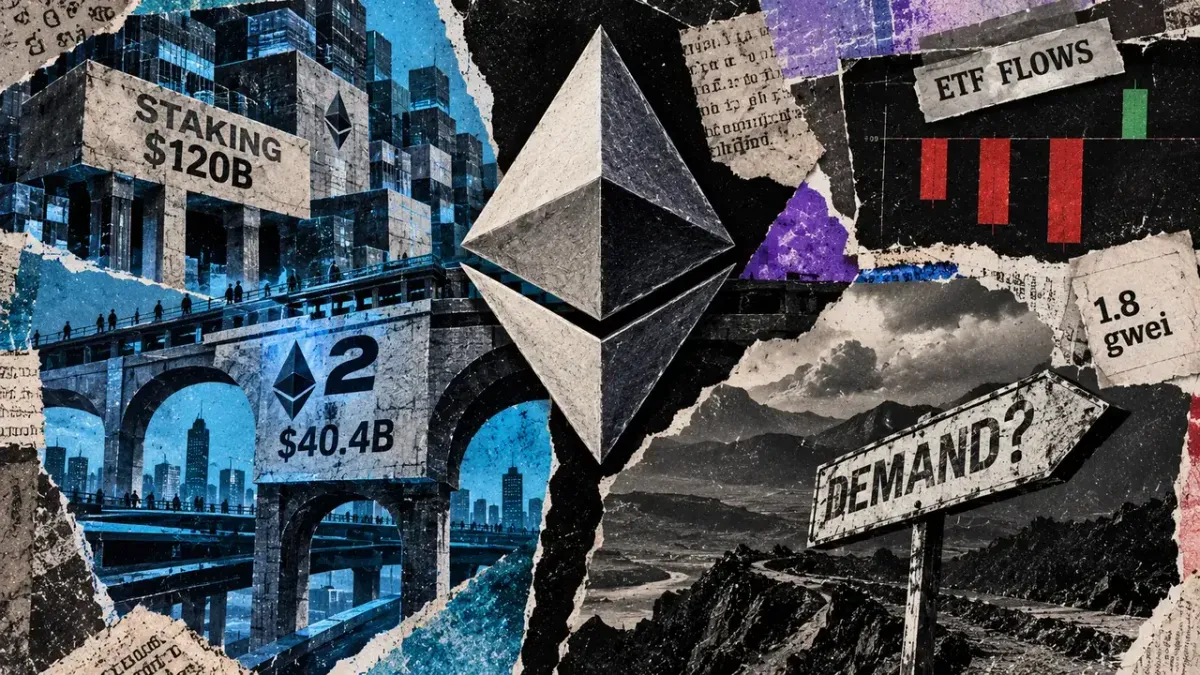
Ethereum's $120 billion in staking masks underlying supply dynamics

NEAR price surges 80% weekly as Intents volume approaches $30 billion
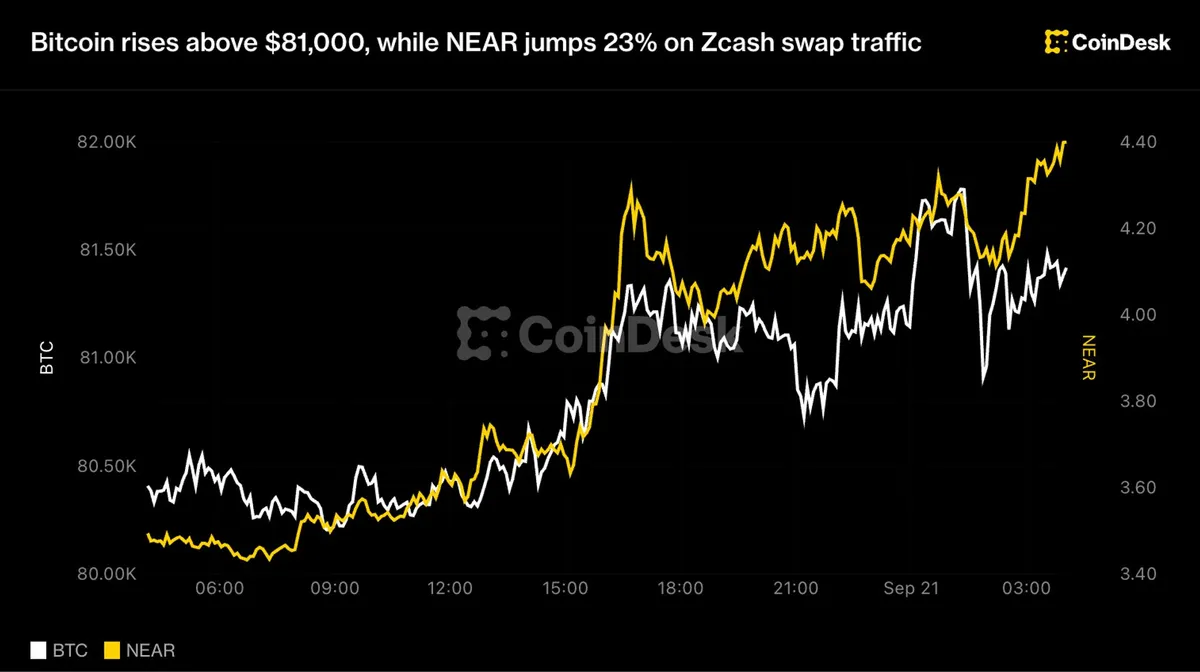
Bitcoin surpasses $81,000 as NEAR surges 23% amid Zcash swap activity