Raydium DEX says $1.34 million exploit hit retired AMM program, treasury to cover losses

Raydium, a decentralized exchange (DEX) built on the Solana blockchain, has announced that it has been hit by a significant exploit that drained approximately $1.34 million from five of its inactive Automated Market Maker (AMM) liquidity pools. The team has confirmed that the exploit took place within their retired AMM program, which had been decommissioned to focus on other initiatives within the platform. In response to the incident, Raydium has pledged to use its treasury funds to compensate the affected users, ensuring that they will not bear the financial losses incurred from this attack.
The background of this incident reveals the complexities and risks associated with decentralized finance (DeFi) protocols. Raydium has been a pivotal player in the Solana ecosystem, providing liquidity and facilitating trading for various tokens. However, the exploit highlights the vulnerabilities that even well-established projects can face, especially when dealing with outdated or inactive components of their architecture. As the DeFi space continues to grow, the importance of maintaining rigorous security protocols becomes ever more apparent, particularly for protocols that may still have lingering vulnerabilities from earlier iterations.
This incident matters significantly for the broader market as it raises concerns about the security of DeFi platforms, especially those that have undergone rapid growth and change. The exploit could lead to a decrease in user confidence, not only in Raydium but also in other platforms that may face similar risks. As decentralized finance becomes increasingly integrated into the mainstream, ensuring robust security measures will be crucial for retaining users and attracting new investments. The market's response to this event will likely influence the trajectory of other DEXs and DeFi projects, as they may feel pressured to reassess and strengthen their security frameworks.
Reactions from the industry have been varied, with some experts emphasizing the need for enhanced security practices across DeFi platforms. Many in the community have expressed disappointment but also understanding, as exploits are not uncommon in the rapidly evolving DeFi landscape. Some believe that this incident could prompt other projects to conduct thorough audits of their own protocols and liquidity pools, particularly those that might still contain inactive or lesser-used components. The consensus seems to be that while this is a setback for Raydium, it serves as a critical reminder for the entire industry to prioritize security.
Looking ahead, Raydium's commitment to compensating affected users will likely play a crucial role in restoring trust among its community. As the platform works to address the aftermath of this exploit, it will be essential to implement stronger security measures and perhaps consider re-evaluating the status of its retired programs. Furthermore, this incident may catalyze a broader discussion within the DeFi space regarding the risks associated with inactive contracts and the necessity for ongoing vigilance. As the industry evolves, learning from such events will be vital for building a more secure and resilient future for decentralized finance.

CoinMagnetic Team
Crypto investors since 2017. We trade with our own money and test every exchange ourselves.
Updated: June 2026
From our insights:
Related news

Solstice CEO predicts less volatile future for crypto cycles amid liquidity growth

Pragma flags 6 price feeds as critical risk following $3.5M Starknet lending exploit

Ethereum's $120 billion in staking masks underlying supply dynamics

NEAR price surges 80% weekly as Intents volume approaches $30 billion
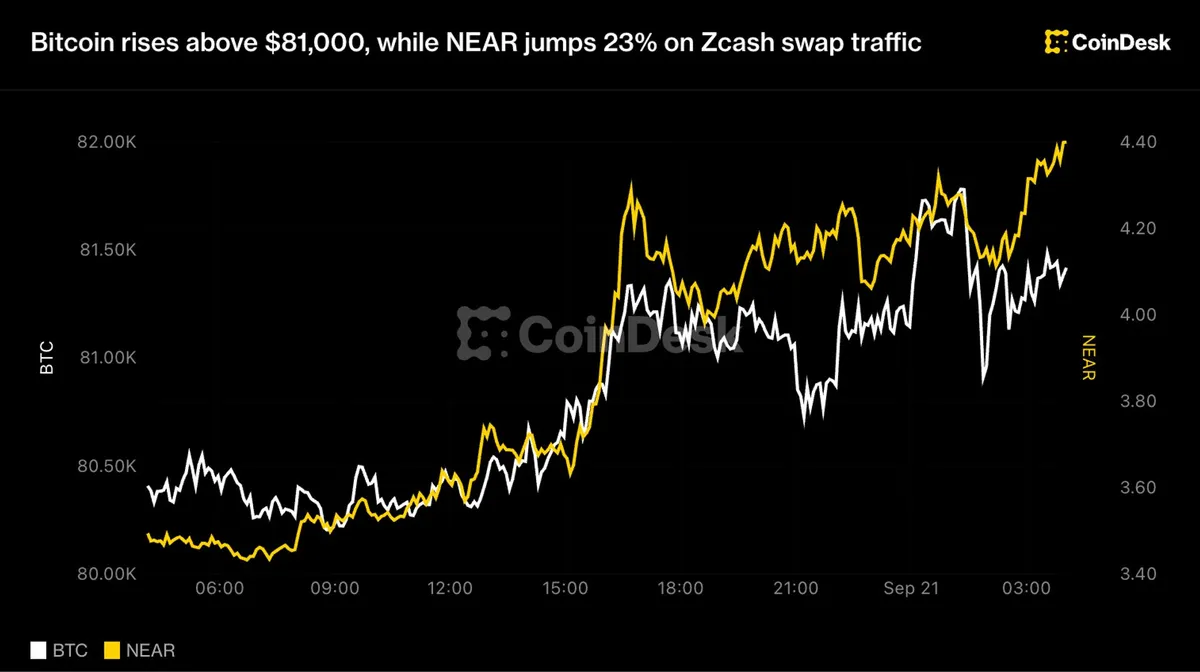
Bitcoin surpasses $81,000 as NEAR surges 23% amid Zcash swap activity