Minnesota crypto ATM ban goes into effect after reported $1M losses

The recent implementation of a ban on cryptocurrency ATMs in Minnesota comes as a response to alarming reports of significant financial losses incurred by residents, particularly targeting senior citizens. State officials have indicated that from 2023 to 2025, Minnesotans lost approximately $1 million due to scams linked to these crypto kiosks. The move to restrict these machines has been framed as a protective measure, aimed at safeguarding vulnerable populations from falling prey to scams that exploit the complexities of cryptocurrency transactions.
The context surrounding this decision highlights a growing concern among state regulators regarding the safety of cryptocurrency transactions, especially for inexperienced users. Over the past few years, the rise of cryptocurrency has been accompanied by an increase in fraudulent schemes, many of which have taken advantage of the unregulated nature of crypto ATMs. These machines, which enable users to buy or sell cryptocurrencies, have become popular but have also attracted malicious actors who prey on the lack of consumer protections in this space. Minnesota's proactive approach signals an acknowledgment of these challenges and a call for greater oversight.
The implications of this ban are significant for the broader cryptocurrency market, particularly in terms of consumer trust and regulatory frameworks. With losses reaching such notable figures, the decision may deter potential users from engaging with cryptocurrency altogether. The Minnesota case could serve as a precedent for other states contemplating similar measures, potentially stifling the growth of crypto ATM networks and impacting the liquidity and accessibility of digital assets. Additionally, it raises questions about how cryptocurrency operators will adapt to increased scrutiny and regulatory pressures.
Industry reactions to the ban have been mixed. Some experts in the cryptocurrency field have expressed support for regulatory measures that protect consumers, emphasizing the need for education and clear guidelines for both operators and users. However, others argue that overly restrictive regulations could hinder innovation and limit access to cryptocurrency for those who might benefit from it. The tension between consumer protection and fostering a healthy crypto ecosystem is likely to remain a focal point of discussion as the regulatory landscape continues to evolve.
Looking ahead, it remains to be seen how this ban will affect the overall adoption of cryptocurrency in Minnesota and beyond. Stakeholders will be closely monitoring the outcomes of this decision, particularly any shifts in consumer behavior or further regulatory actions that may emerge in response to the ongoing concerns about scams and fraud. As the industry grapples with these challenges, the balance between ensuring safety and promoting growth will be crucial for the future of cryptocurrency in the region and across the United States.

CoinMagnetic Team
Crypto investors since 2017. We trade with our own money and test every exchange ourselves.
Updated: August 2026
From our insights:
Related news
Proposed H.R. 10357 aims to simplify crypto use while raising $500 million in taxes
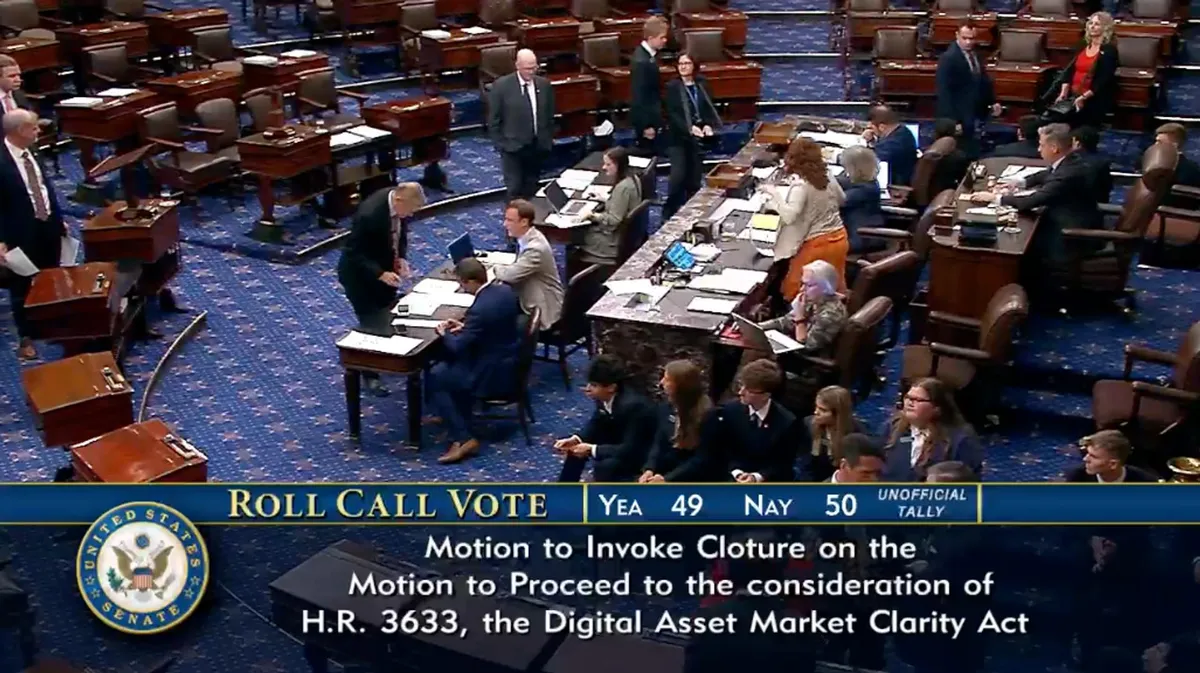
Disputes undermine crypto industry's hopes for Clarity Act legislation

Bank of England official sees stablecoins enhancing US dollar demand and Treasury purchases

DOJ charges Robinhood engineers with front-running crypto listings on Hyperliquid
House markup could advance long-awaited 'De Minimis' tax break for crypto