Ledger isolates hardware implant breach affecting Southeast Asia
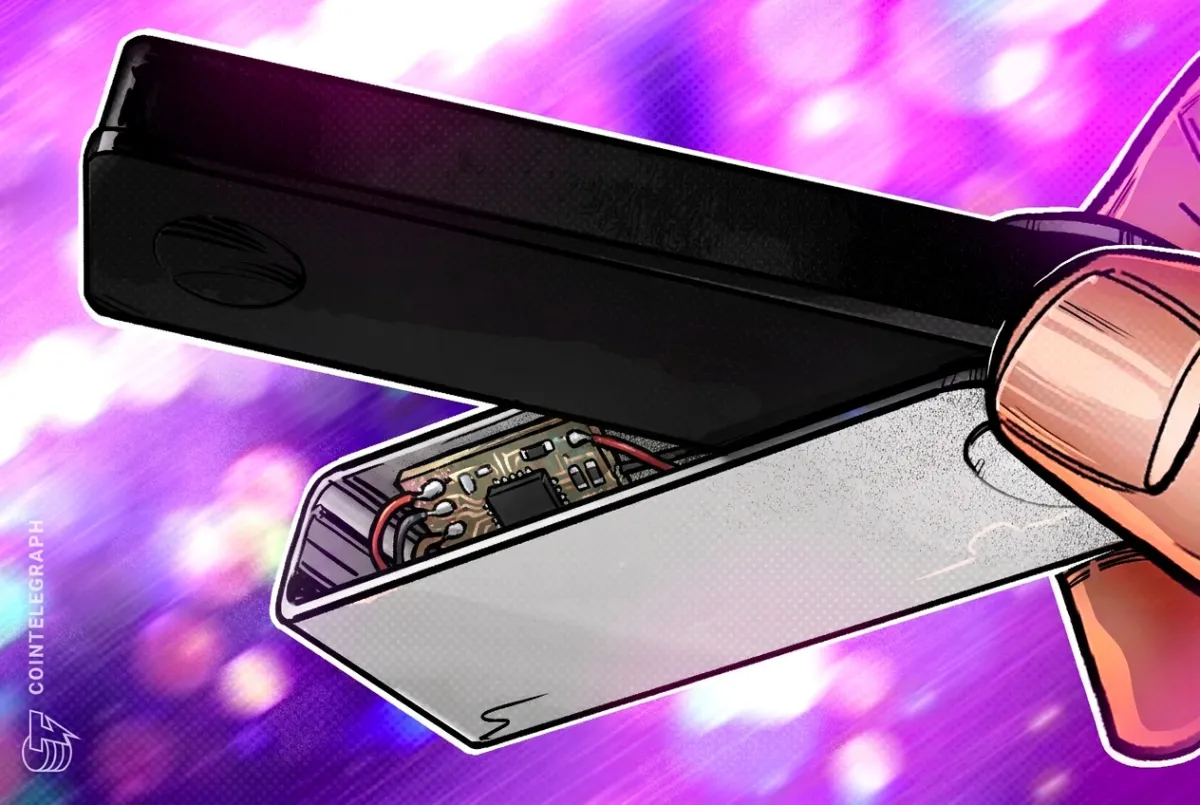
At CoinMagnetic, we have been closely following the recent security disclosure from Ledger, which confirmed that an unauthorized hardware implant was discovered within its supply chain. According to the company, the incident appears to be strictly isolated to a single third-party reseller operating primarily within the Southeast Asian market. While investigations are ongoing, early estimates suggest that potential losses resulting from this compromised hardware batch could exceed 86 million dollars.
This development brings renewed scrutiny to the hardware wallet sector, which has long been regarded as the gold standard for cryptocurrency self-custody. Supply chain attacks represent a uniquely insidious threat because they target users at the point of purchase, long before the device ever interacts with the blockchain. Ledger stated that the affected units were tampered with outside of its direct manufacturing facilities, highlighting the persistent vulnerabilities tied to authorized and unauthorized intermediaries in regional distribution networks.
For the broader crypto market, hardware compromise incidents carry significant psychological weight. Self-custody advocates frequently urge users to move funds off centralized exchanges, but events involving hardware tampering complicate the narrative around absolute security. When trusted physical devices are subverted, it undermines user confidence in cold storage solutions as a whole, potentially triggering a temporary retreat toward multi-signature setups or alternative hardware brands while users await further clarity.
Industry reactions have centered on the complexities of securing global supply chains against bad actors. Security researchers and community commentators have emphasized the necessity of end-to-end cryptographic verification for all hardware components upon delivery. Experts note that while manufacturers maintain rigorous factory-floor standards, the journey from assembly plant to end user via local distributors remains a vulnerable vector that requires tighter oversight and more transparent tracking mechanisms.
As this situation unfolds, we expect Ledger and other major hardware providers to face increased pressure to overhaul their reseller verification protocols and distribution transparency. Users in the affected region and globally are advised to monitor official communications from Ledger for specific batch identifiers and remediation steps. Ensuring that devices are purchased exclusively through verified primary channels will likely become an even more critical focus for the community moving forward.

CoinMagnetic Team
Crypto investors since 2017. We trade with our own money and test every exchange ourselves.
Updated: October 2026
From our insights:
Related news

CFTC pushes new rules to draw a line between prediction markets and casinos

George Washington University physicists devise formula to forecast chatbot failure
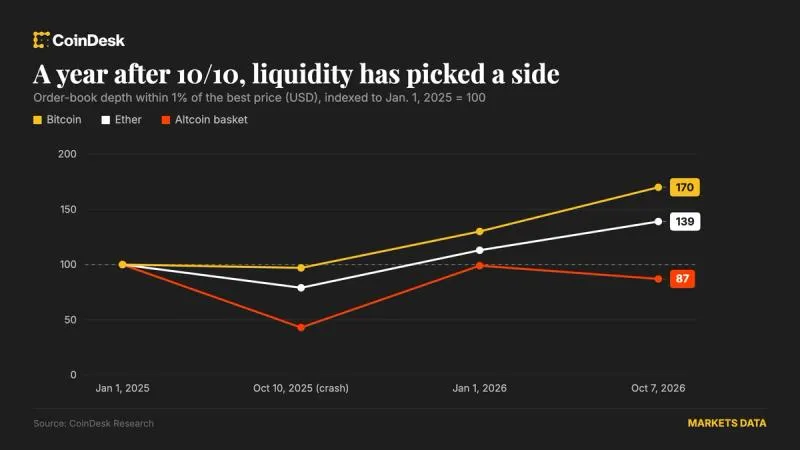
One year after 10/10 flash crash, bitcoin and ether liquidity have rebuilt, but altcoins still face risks

Tokenized commodities expand past gold into lending and oil markets

Justin Sun says Tron’s post-quantum cryptography has gone live on testnet