Kalshi’s crypto perpetuals spark debate over whether they’re futures or swaps

Kalshi's recent introduction of crypto perpetual contracts has ignited a lively debate among derivatives experts regarding their classification as either futures or swaps. This development is significant as it challenges existing regulatory frameworks and could set a precedent for how similar financial instruments are treated in the future. The contracts allow traders to bet on the price movements of cryptocurrencies without an expiration date, distinguishing them from traditional futures, which typically have set expiration dates.
To understand the implications of this debate, it's important to consider the regulatory landscape surrounding derivatives. Futures contracts are standardized agreements to buy or sell an asset at a predetermined price at a specified time in the future, while swaps are private agreements between two parties to exchange cash flows. The distinction between these two types of derivatives has significant implications for compliance, risk management, and the overall regulatory environment for crypto assets. As the market evolves, the question of how these perpetual contracts fit into existing legal definitions is becoming increasingly urgent.
This discussion matters for the market as it could influence the trading environment for cryptocurrencies and how institutional investors engage with these assets. If Kalshi's perpetuals are classified as swaps, they may face different regulatory requirements, potentially making them more appealing to certain investors. Conversely, if they are categorized as futures, the associated regulations could impose stricter compliance measures, which might deter participation from some market players. The outcome of this debate could reshape the landscape of crypto derivatives trading and impact liquidity and volatility in the market.
Industry experts have voiced a range of opinions on the matter. Some argue that the unique characteristics of perpetual contracts warrant a new classification altogether, given their lack of expiration and the continuous nature of trading. Others believe that aligning them with existing futures or swaps classifications is necessary for regulatory clarity. The discussion has also caught the attention of regulators, who are grappling with how to approach the rapidly evolving crypto derivatives market. Their input will be crucial in shaping the future regulatory framework.
Looking ahead, the outcome of this debate could have far-reaching consequences. Market participants are closely monitoring how regulators respond to Kalshi’s innovation and whether this will lead to clearer guidelines for crypto derivatives. The resolution of these classification issues could pave the way for more sophisticated trading products and attract a broader range of investors into the crypto space. As the discussions continue, it will be essential for stakeholders to remain engaged and informed about the evolving regulatory landscape that will undoubtedly shape the future of crypto trading.

CoinMagnetic Team
Crypto investors since 2017. We trade with our own money and test every exchange ourselves.
Updated: June 2026
From our insights:
Related news

Solstice CEO predicts less volatile future for crypto cycles amid liquidity growth
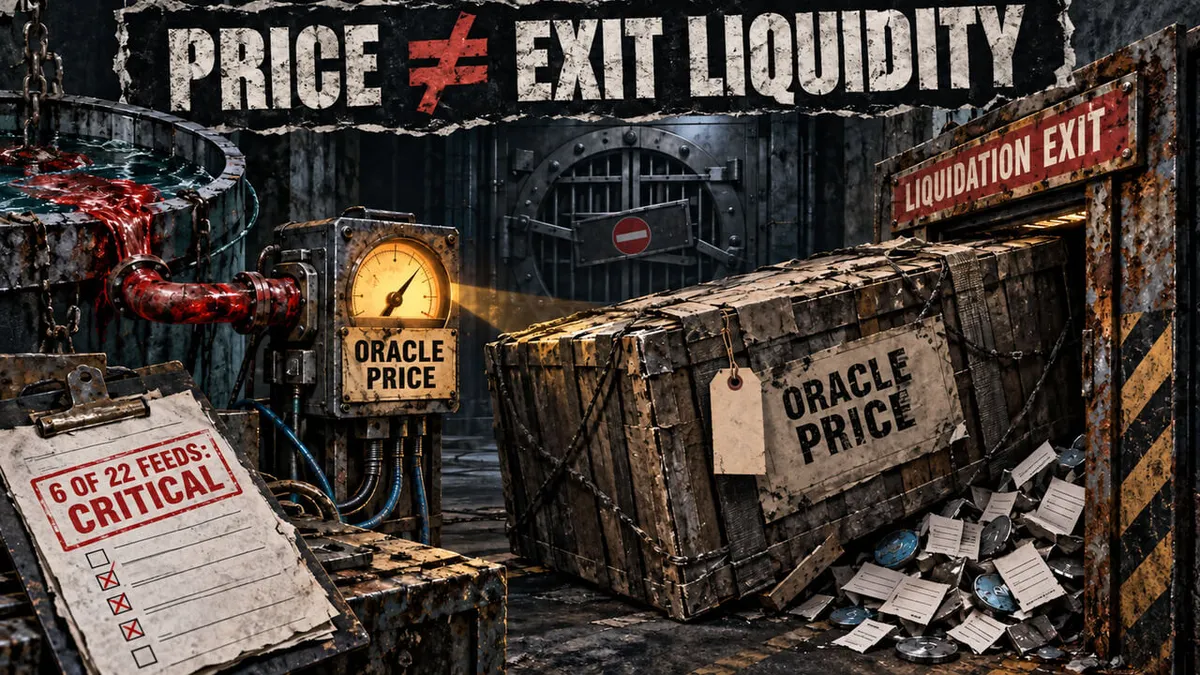
Pragma flags 6 price feeds as critical risk following $3.5M Starknet lending exploit
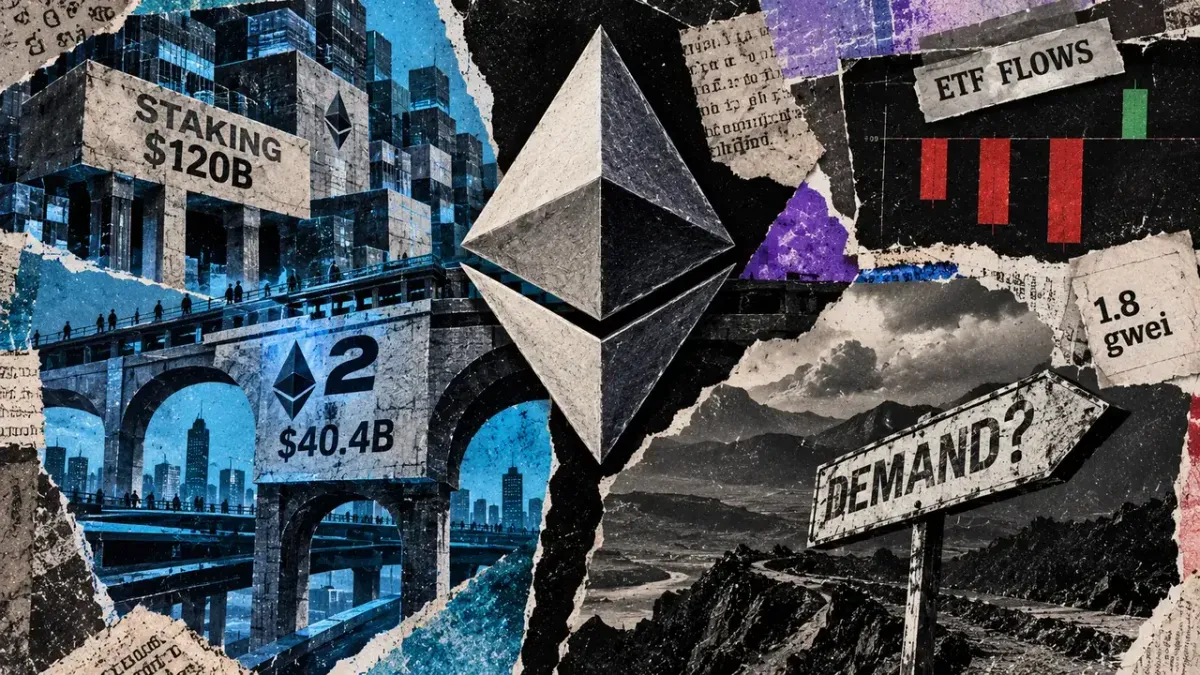
Ethereum's $120 billion in staking masks underlying supply dynamics

NEAR price surges 80% weekly as Intents volume approaches $30 billion
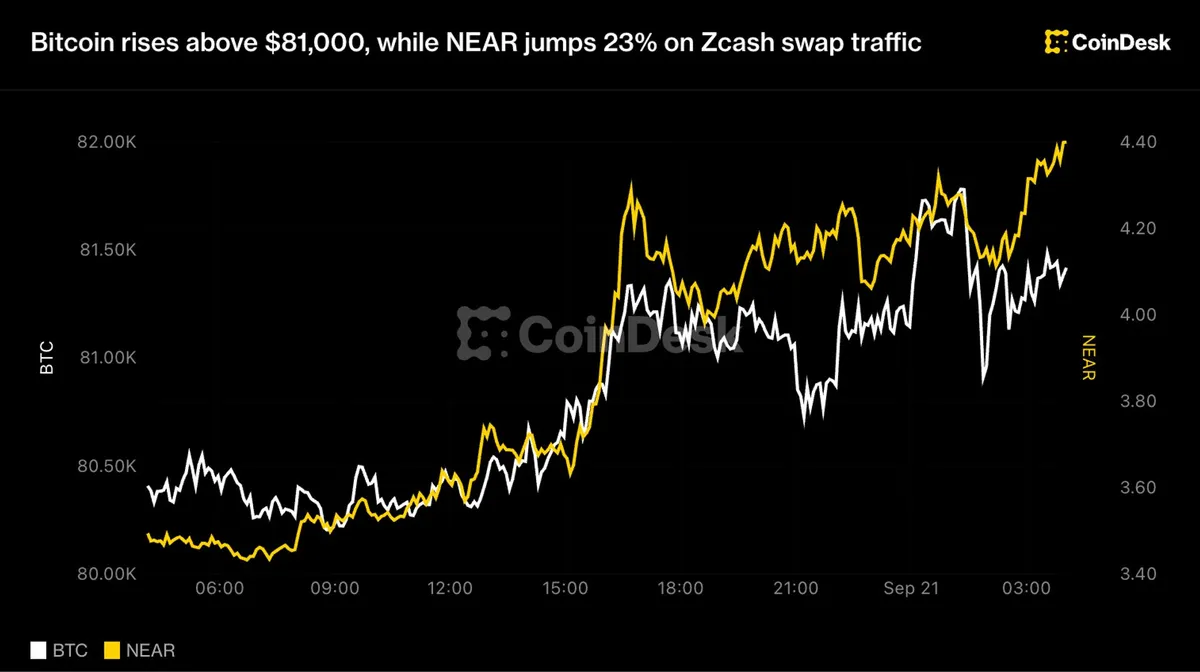
Bitcoin surpasses $81,000 as NEAR surges 23% amid Zcash swap activity