Zcash aims to integrate hash-based signatures and address rotation
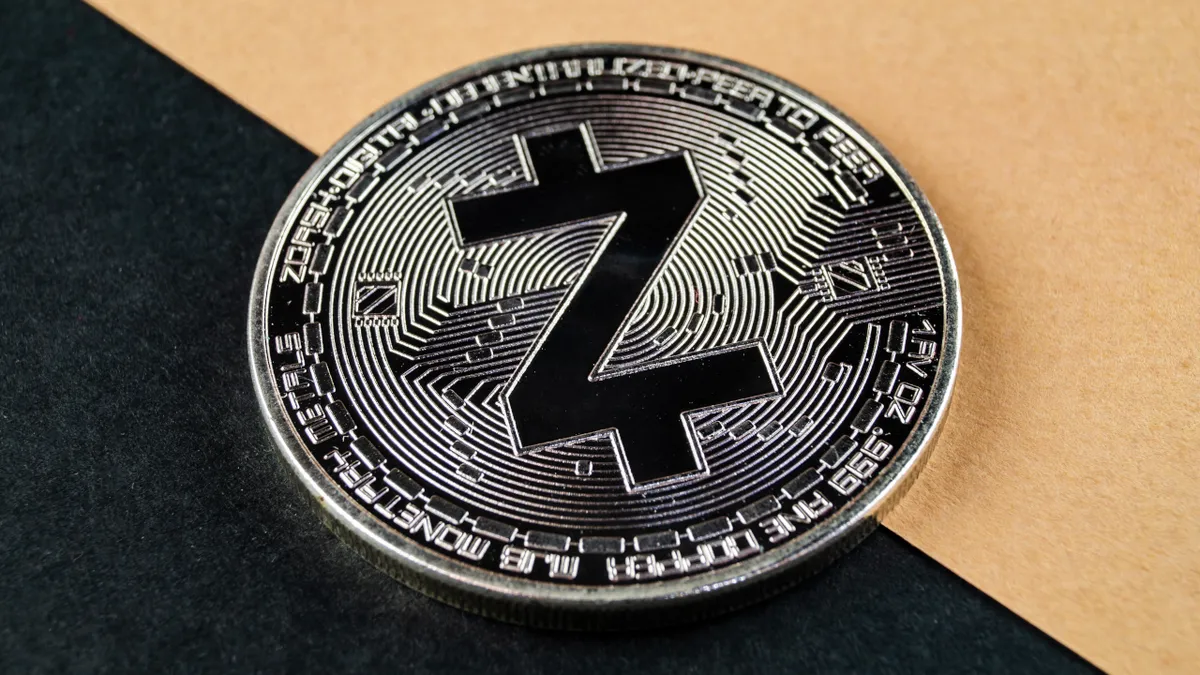
As the cryptographic landscape shifts under the weight of emerging computational threats, the Zcash ecosystem is taking proactive steps to fortify its defenses. Zakura, a prominent Zcash full node developer, has announced plans to introduce hash-based signatures to the network as early as January. Alongside this upcoming cryptographic upgrade, the development team is rolling out a specialized privacy tool this week designed to facilitate the rotation of transparent addresses for network participants.
The integration of advanced cryptographic measures represents a continuation of the privacy-centric ethos that has defined Zcash since its inception. While the network has long relied on zero-knowledge proofs to shield transaction details, the broader blockchain sector is increasingly forced to look ahead at the theoretical capabilities of quantum computing and sophisticated artificial intelligence analysis. By updating signature schemes and addressing metadata hygiene through transparent address rotation, developers are working to preemptively neutralize vectors that could compromise user confidentiality in the future.
For the wider digital asset market, these technical improvements highlight a growing emphasis on future-proofing infrastructure against next-generation threats. Privacy coins have historically faced rigorous regulatory scrutiny, yet technical resilience against quantum decryption and AI-driven surveillance remains a critical benchmark for long-term viability. When core developers implement robust signature updates, it signals to both institutional and retail participants that the protocol is actively mitigating existential technological risks rather than merely maintaining status-quo operations.
Industry observers and privacy advocates have largely welcomed the roadmap outlined by Zakura, noting that theoretical quantum risks are moving closer to practical engineering concerns. Security-focused developers across various ecosystems are currently reassessing traditional cryptographic assumptions, making the upcoming Zcash upgrades a closely watched milestone. The willingness of node developers to push forward with hash-based signatures demonstrates a clear commitment to maintaining high standards of user protection in an evolving threat environment.
Looking ahead, the successful deployment of the transparent address rotation tool this week will serve as an immediate test of user adoption and tooling readiness. Attention will then pivot toward the January target for hash-based signatures, which will require careful coordination among network participants, miners, and wallet providers. As these changes take shape, the Zcash community continues to set a technical pace for how privacy-focused protocols can adapt to the rigorous demands of tomorrow's technological landscape.

CoinMagnetic Team
Crypto investors since 2017. We trade with our own money and test every exchange ourselves.
Updated: October 2026
From our insights:
Related news
Ledger isolates hardware implant breach affecting Southeast Asia

CFTC pushes new rules to draw a line between prediction markets and casinos

George Washington University physicists devise formula to forecast chatbot failure

One year after 10/10 flash crash, bitcoin and ether liquidity have rebuilt, but altcoins still face risks

Tokenized commodities expand past gold into lending and oil markets