How Asset Managers Are Investing in Crypto

Recent developments indicate that asset managers are increasingly turning to cryptocurrency as a viable investment avenue. The primary method through which these managers are engaging with the digital asset space is by utilizing regulated products such as spot exchange-traded funds (ETFs), digital asset funds, tokenized funds, and equity in blockchain companies. Notably, most of these investments are made on behalf of clients rather than for the asset managers' own portfolios. This trend underscores a significant shift in the investment landscape, as firms aim to provide their clients with exposure to digital assets within the familiar frameworks of brokerage accounts, retirement plans, and advisory services.
The growing interest in cryptocurrencies among asset managers is not entirely surprising given the maturation of the crypto market over the past few years. As regulatory clarity increases and institutional infrastructure develops, traditional finance is beginning to embrace digital assets more openly. Past hesitations, often rooted in concerns about volatility and security, are now being countered by the recognition of crypto's potential as a diversifying asset class. This broader acceptance is paving the way for more sophisticated investment vehicles tailored to meet the needs of clients who seek to benefit from the growth of digital currencies.
This trend matters significantly for the cryptocurrency market, as it reflects a shift towards mainstream adoption. By incorporating cryptocurrencies into their offerings, asset managers are helping to legitimize the space and attract a broader base of investors. This influx of institutional capital could lead to increased market stability and liquidity, as well as potentially higher valuations for digital assets. Furthermore, the integration of crypto products into traditional investment frameworks may encourage more retail investors to explore digital currencies, thereby expanding the market even further.
Industry experts have voiced varying opinions on this development. Some see it as a positive sign of institutional maturity and a necessary step towards the mainstream acceptance of cryptocurrencies. Others, however, caution that the market still faces significant challenges, including regulatory hurdles and ongoing concerns about security and fraud. The consensus appears to be that while the involvement of asset managers will likely bolster the market, it is essential for stakeholders to remain vigilant and address the underlying issues that could dampen investor confidence.
Looking ahead, the role of asset managers in the cryptocurrency space is poised to grow. As they continue to develop innovative products and structures to accommodate client demand, we can expect to see an expansion of investment options that blend traditional finance with digital assets. This evolution will not only shape the future of investment strategies but may also redefine the relationship between mainstream finance and the burgeoning world of cryptocurrencies. The coming months will be crucial in determining how these dynamics unfold, particularly in light of ongoing regulatory developments and market conditions.

CoinMagnetic Team
Crypto investors since 2017. We trade with our own money and test every exchange ourselves.
Updated: July 2026
From our insights:
Related news

Federated Hermes pairs with Prometheum to launch onchain fund shares
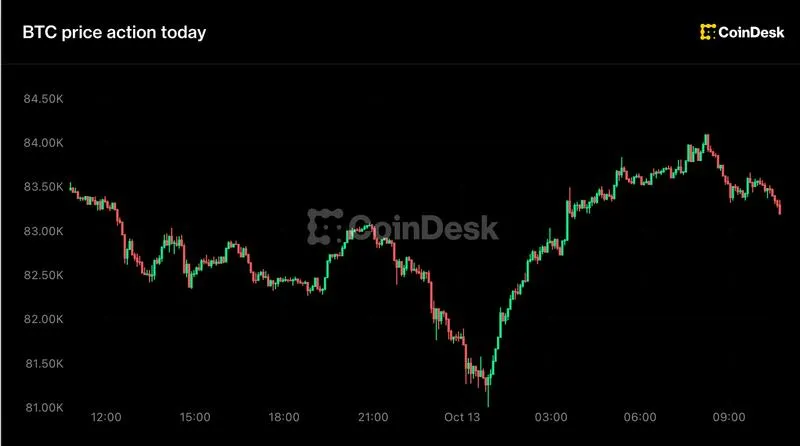
Bitcoin fluctuates from $81,000 to $84,000 while major altcoins decline

Zero-interest bonds allow Metaplanet to keep bitcoin while clearing debt
Standard Chartered offers RLUSD custody in Dubai and plans LMAX collateral link

Genesis Digital pivot to AI is backed by an $894 million fundraise secured by SWI