How Bitcoin ETFs Changed Institutional Adoption

The recent launch of spot Bitcoin ETFs in the United States marks a pivotal moment for institutional adoption of cryptocurrency. These funds, which hold actual Bitcoin and are traded on stock exchanges, offer investors a straightforward way to gain exposure to Bitcoin's price movements through traditional brokerage accounts. Since their introduction in January 2024, these ETFs have streamlined the investment process, eliminating many of the logistical challenges like custody and compliance that previously deterred institutional investors. This significant shift in accessibility could lead to a substantial increase in the amount of capital flowing into the cryptocurrency market.
To understand the impact of spot Bitcoin ETFs, it's important to consider the historical context surrounding Bitcoin's journey into mainstream finance. Prior to the advent of these ETFs, institutional investors faced numerous hurdles when attempting to enter the crypto space. Issues related to custody solutions, regulatory compliance, and market volatility created an environment of uncertainty and hesitation. Traditional investment vehicles like futures ETFs were seen as a partial solution, but they lacked the direct exposure to Bitcoin that many institutions desired. The introduction of spot Bitcoin ETFs has effectively addressed these concerns, paving the way for broader participation in the market.
The implications for the market are significant. With the barriers lowered, we are likely to see an influx of institutional capital, which could drive Bitcoin’s price higher and contribute to increased market stability. Furthermore, the legitimacy conferred by these ETFs may encourage more conservative investors–who may have been previously skeptical of cryptocurrencies–to consider Bitcoin as a viable asset class. This shift could act as a catalyst for further innovation and adoption within the crypto space, enhancing Bitcoin’s role as a digital store of value and a hedge against inflation.
Industry experts have been largely optimistic about the launch of spot Bitcoin ETFs. Many believe that this development not only validates Bitcoin’s position in the financial ecosystem but also signals a maturation of the cryptocurrency market. Analysts have pointed out that increased institutional interest could lead to a more robust market structure, reducing volatility over time. Additionally, some experts suggest that this move might inspire regulatory bodies to create clearer frameworks for other digital assets, which could further encourage institutional participation.
Looking ahead, the future of Bitcoin ETFs appears promising. As more funds enter the market, we may witness a diversification of investment strategies centered around Bitcoin, potentially leading to the creation of new financial products. Furthermore, as institutional adoption accelerates, the interplay between traditional financial markets and the cryptocurrency space will likely deepen, creating new opportunities for innovation. The success of spot Bitcoin ETFs could serve as a model for other cryptocurrencies, encouraging similar products to emerge and thereby expanding the overall landscape of crypto investments.

CoinMagnetic Team
Crypto investors since 2017. We trade with our own money and test every exchange ourselves.
Updated: July 2026
From our insights:
Related news

Standard Chartered offers RLUSD custody in Dubai and plans LMAX collateral link

Genesis Digital pivot to AI is backed by an $894 million fundraise secured by SWI
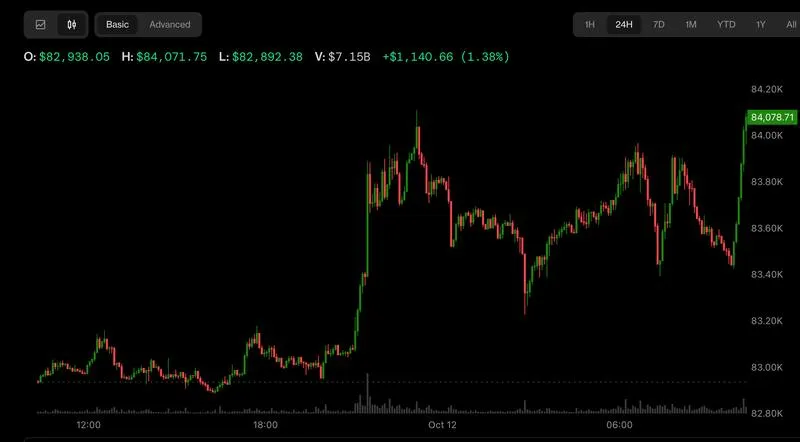
Bitcoin holds above $84,000 despite last week seeing over $600 million in ETF outflows

Bain Capital Crypto backs Bitcoin-native insurer in $37.5 million round

Spot ether funds log nine days of consecutive outflows as solana ends its run