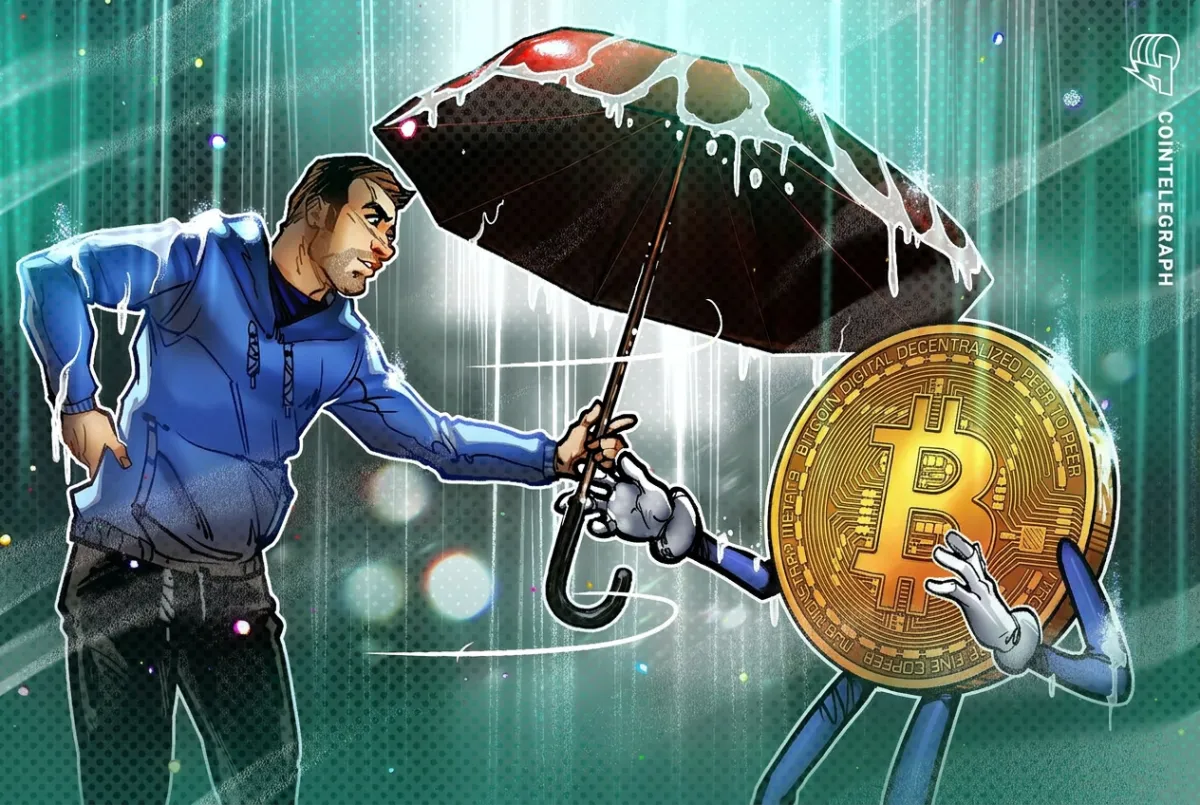
CoinFund’s David Pakman says crypto hasn’t solved tokenomics

In a recent interview on The Starting Block, David Pakman, a partner at CoinFund, shared his insights on the current state of tokenomics in the crypto industry. He argued that many projects have yet to effectively address the complexities of token economics, particularly in how they incentivize contributors. Pakman proposed that using stablecoins as a form of payment for contributors could provide a more stable and reliable incentive structure, potentially leading to improved project outcomes and greater participant satisfaction.
To understand Pakman's perspective, it is essential to consider the evolution of tokenomics in the crypto space. Initially, many projects relied on native tokens to incentivize participation, but this approach often led to volatility and uncertainty for contributors. As cryptocurrencies are inherently subject to market fluctuations, the value of these tokens can change dramatically, affecting the motivation of contributors. Pakman's suggestion reflects a growing recognition that stablecoins could serve as a more effective means of compensation, allowing contributors to avoid the pitfalls of price volatility.
This discussion of tokenomics is particularly relevant given the current market landscape, where many projects are striving for sustainability and longevity. By adopting stablecoins for contributor payments, projects may enhance their operational stability and improve retention rates among key personnel. This shift could ultimately foster a more robust ecosystem, as teams are better equipped to focus on long-term goals without the distractions of market fluctuations affecting their compensation.
The industry has shown a mixed reaction to Pakman's insights. Some experts agree that stablecoins can provide a viable solution to the challenges of tokenomics, while others caution against over-reliance on these assets. Critics argue that while stablecoins can mitigate volatility, they may also limit the potential for broader engagement with native tokens, which could hinder the growth of new projects. Nevertheless, the conversation surrounding stablecoins and tokenomics continues to gain traction, highlighting the ongoing evolution of economic models in the crypto landscape.
Looking ahead, it will be crucial to monitor how projects adapt their tokenomics strategies in response to these discussions. As more teams consider the implications of stablecoin compensation, we may see a shift in how projects design their incentive structures. This evolution could play a significant role in shaping the future of collaboration within the crypto ecosystem, with potential ramifications for market performance and participant engagement. As the industry continues to evolve, we remain attentive to these developments and their potential impacts on the broader crypto landscape.

CoinMagnetic Team
Crypto investors since 2017. We trade with our own money and test every exchange ourselves.
Updated: July 2026
From our insights:
Related news
Standard Chartered offers RLUSD custody in Dubai and plans LMAX collateral link

Genesis Digital pivot to AI is backed by an $894 million fundraise secured by SWI
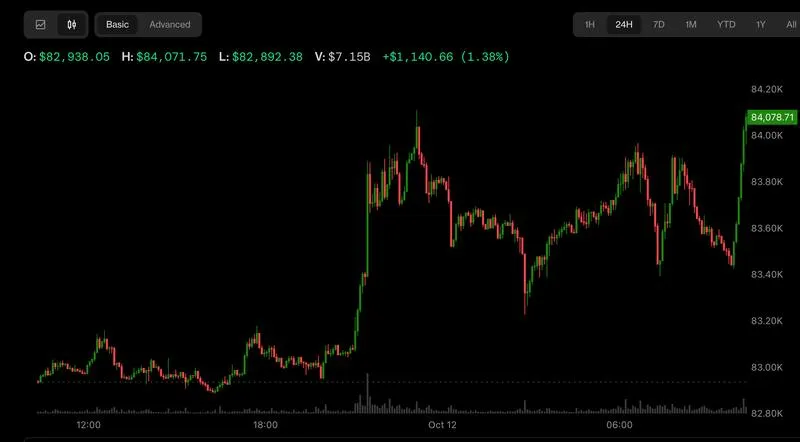
Bitcoin holds above $84,000 despite last week seeing over $600 million in ETF outflows

Bain Capital Crypto backs Bitcoin-native insurer in $37.5 million round

Spot ether funds log nine days of consecutive outflows as solana ends its run