Goldfinch wind-down raises a hard question – can DeFi RWA survive real-world debt?
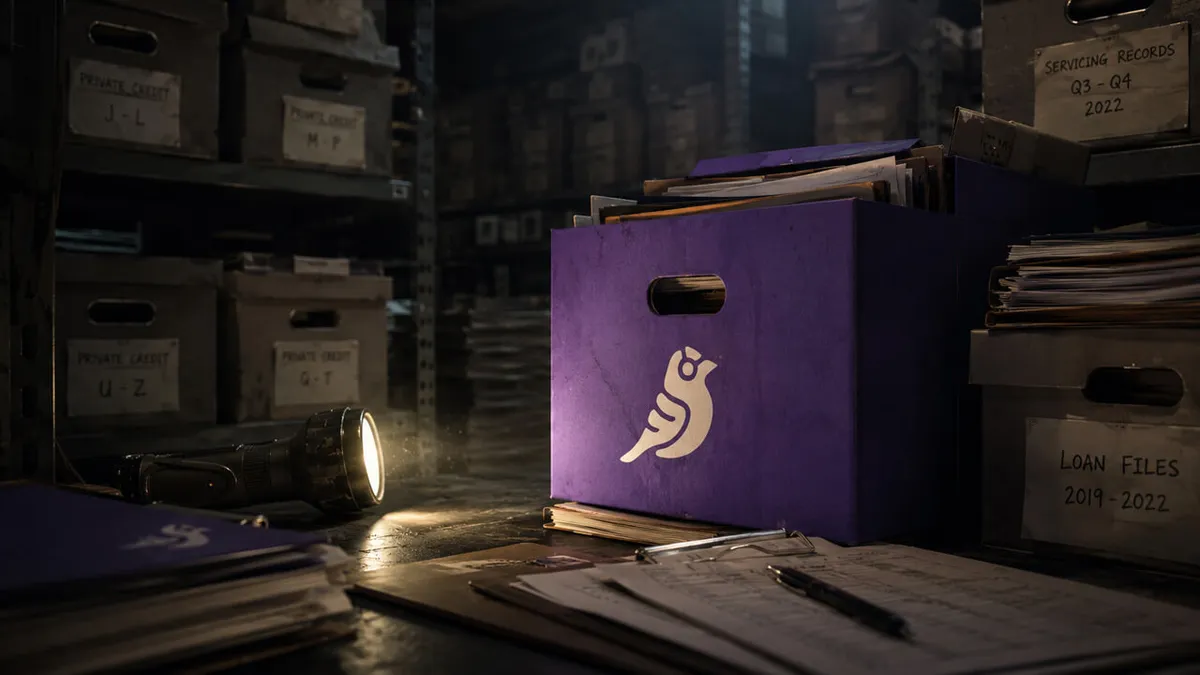
The recent announcement from Goldfinch, a decentralized finance (DeFi) protocol focused on real-world assets (RWA), has stirred significant conversation within the crypto community. The governance proposal GIP-87 indicates a shift in the platform's focus from yield generation to addressing challenges associated with borrower defaults, legal administration, and the necessary governance-funded cleanup. This transition highlights the difficulties that arise when integrating traditional financial concepts such as debt into the decentralized ecosystem, raising fundamental questions about the viability of DeFi platforms dealing with real-world debt obligations.
Goldfinch has been a pioneer in bridging the gap between DeFi and real-world lending, providing crypto users with the opportunity to lend to borrowers in emerging markets. However, navigating the complexities of real-world debt has proven to be a daunting task. The recent wind-down not only calls into question Goldfinch’s operational model but also reflects wider challenges within the DeFi space as it attempts to incorporate real-world assets. The inherent risks of traditional lending–defaults, legal disputes, and the need for regulatory compliance–are now becoming apparent in a sector that was initially celebrated for its promise of decentralization and efficiency.
The implications of Goldfinch's decision are multifaceted for the broader market. If a platform that has been at the forefront of DeFi lending struggles to manage real-world debt, it could deter investors from engaging with similar projects. This scenario may lead to increased scrutiny on the viability of tokenized lending models in the DeFi space. As investors weigh the risks versus potential returns, we may witness a shift in focus back to more traditional crypto investments, as confidence in RWA lending could wane.
Industry experts have reacted with a mix of concern and pragmatism. Some believe that Goldfinch's situation serves as a cautionary tale about the need for robust risk management protocols when dealing with real-world assets. Others argue that the challenges presented by GIP-87 could ultimately lead to more resilient DeFi models that learn from these setbacks. The consensus seems to be that while the integration of real-world debt into DeFi is fraught with complications, it is also a necessary evolution for the industry, which must adapt to survive.
Looking ahead, the actions taken by Goldfinch could set a precedent for how other DeFi platforms approach real-world lending. As the community reflects on the lessons learned from this experience, we may see an increase in collaborative efforts to develop standards and frameworks that can better manage the risks associated with real-world debt. The outcome of GIP-87 and its ramifications will likely shape the future of RWA in DeFi, influencing both investor sentiment and regulatory considerations as the industry continues to evolve.

CoinMagnetic Team
Crypto investors since 2017. We trade with our own money and test every exchange ourselves.
Updated: June 2026
From our insights:
Related news

Solstice CEO predicts less volatile future for crypto cycles amid liquidity growth
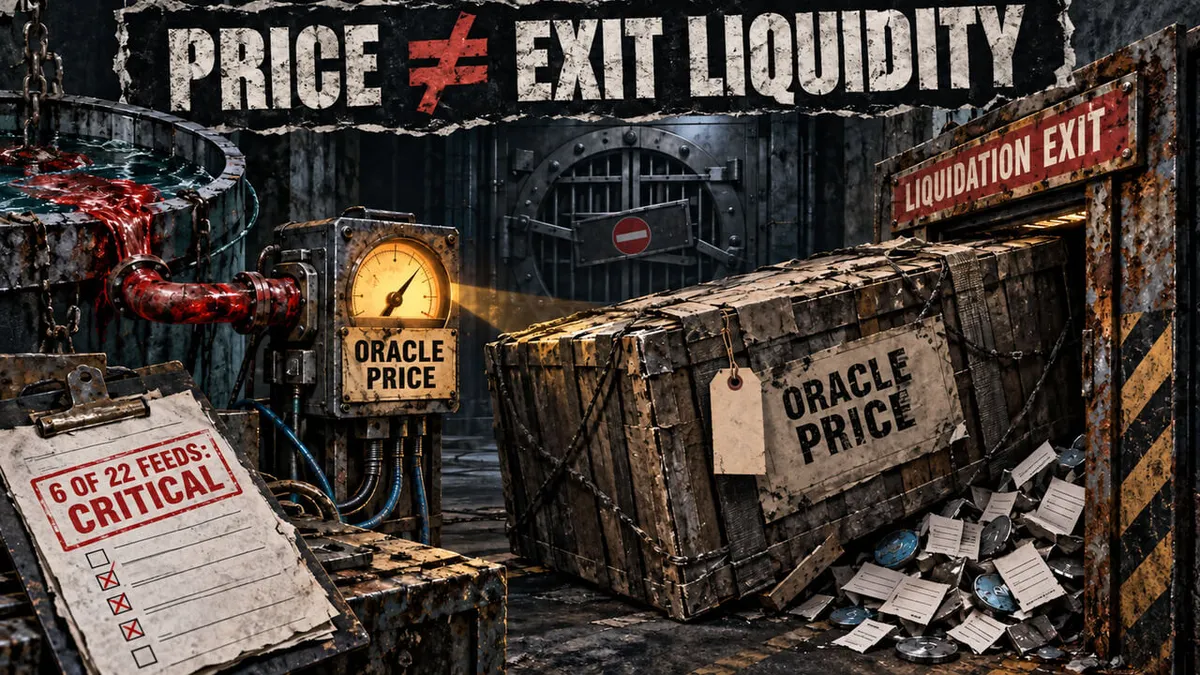
Pragma flags 6 price feeds as critical risk following $3.5M Starknet lending exploit
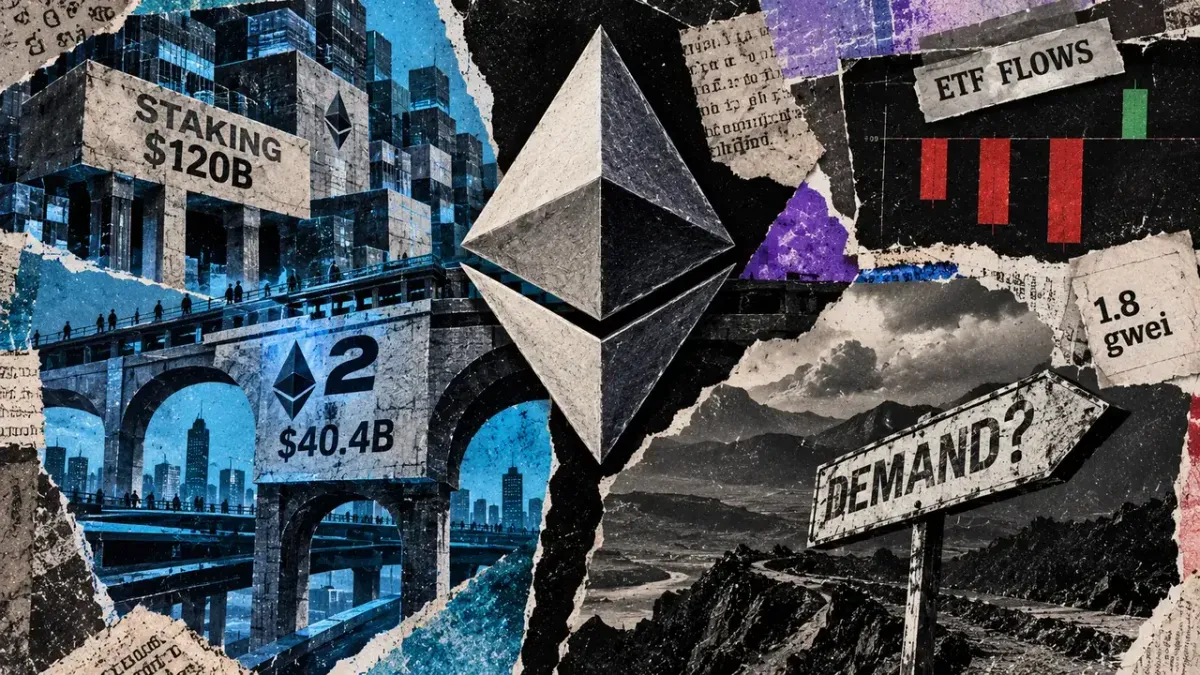
Ethereum's $120 billion in staking masks underlying supply dynamics

NEAR price surges 80% weekly as Intents volume approaches $30 billion
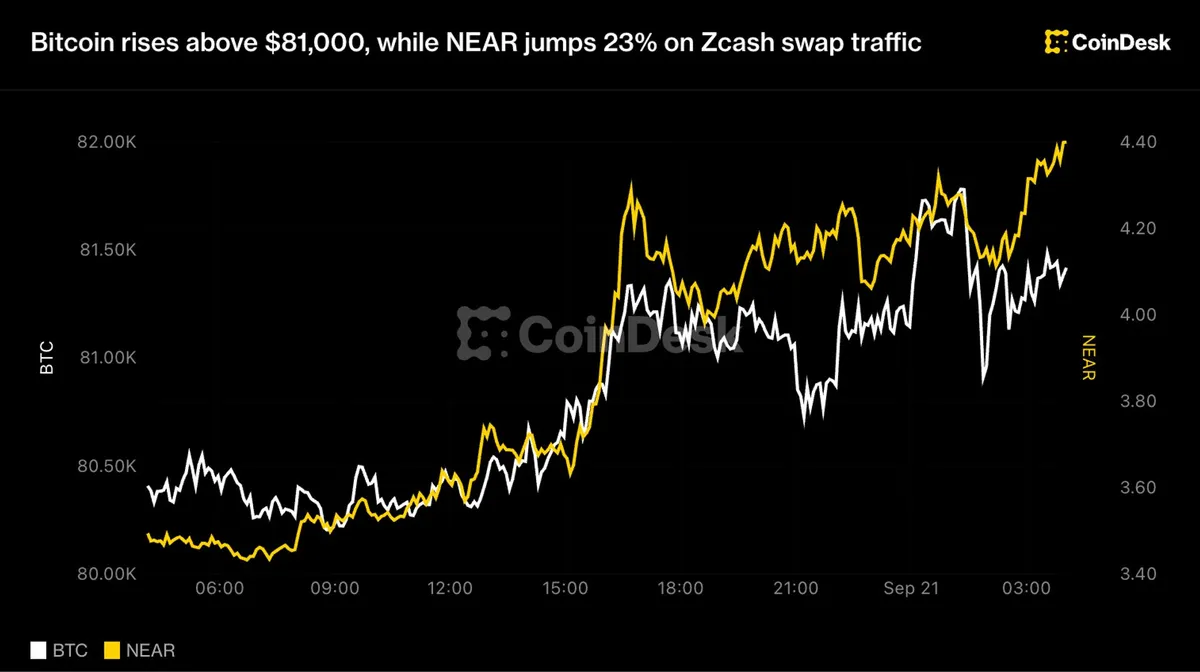
Bitcoin surpasses $81,000 as NEAR surges 23% amid Zcash swap activity