Garden Finance disables app as Blockaid reports $450,000 exploit

Garden Finance has recently disabled its application following a report from security firm Blockaid detailing a significant exploit that resulted in the draining of approximately $450,000 in USDT. The attack specifically targeted Garden Finance's hashed time-locked contracts (HTLC) across multiple blockchain platforms, including Ethereum, Base, Arbitrum, and the BNB Smart Chain. The swift action to suspend operations indicates the team's commitment to safeguarding users and addressing potential vulnerabilities in their system.
This incident is particularly noteworthy given the increasing sophistication of attacks within the decentralized finance (DeFi) sector. HTLC contracts are designed to facilitate secure transactions between parties without the need for intermediaries. However, the exploit highlights the inherent risks associated with smart contracts, which, while innovative, can be susceptible to various forms of manipulation and hacking if not properly audited and secured. As DeFi protocols continue to grow in popularity and complexity, the potential for such exploits remains a pressing concern for developers and users alike.
The implications of this exploit extend beyond just Garden Finance. It serves as a stark reminder of the vulnerabilities that still exist in the DeFi landscape, potentially shaking investor confidence. With the crypto market already experiencing fluctuations, incidents like this can lead to increased caution among users when engaging with new protocols. As funds are drained and trust eroded, the ripple effects could impact not only Garden Finance but also other projects within the space, prompting a broader reevaluation of security measures.
Industry experts have weighed in on the situation, emphasizing the need for rigorous security audits and proactive measures to mitigate risks. Many in the crypto community are calling for enhanced collaboration between projects and security firms to identify weaknesses before they can be exploited. As this incident unfolds, it is likely to spark discussions around best practices for smart contract development and the importance of transparency with users regarding security protocols.
Looking ahead, Garden Finance will need to undertake a thorough investigation to understand the exploit's mechanics and implement necessary safeguards before re-launching its application. The team may also consider engaging with third-party security experts to conduct audits and build a more resilient infrastructure. This incident could serve as a catalyst for the entire DeFi ecosystem to prioritize security and user trust, ensuring that similar exploits are less likely to occur in the future.

CoinMagnetic Team
Crypto investors since 2017. We trade with our own money and test every exchange ourselves.
Updated: July 2026
From our insights:
Related news

Google Quietly Updates Privacy Policy to Let Gmail and Photos Data Feed Ads
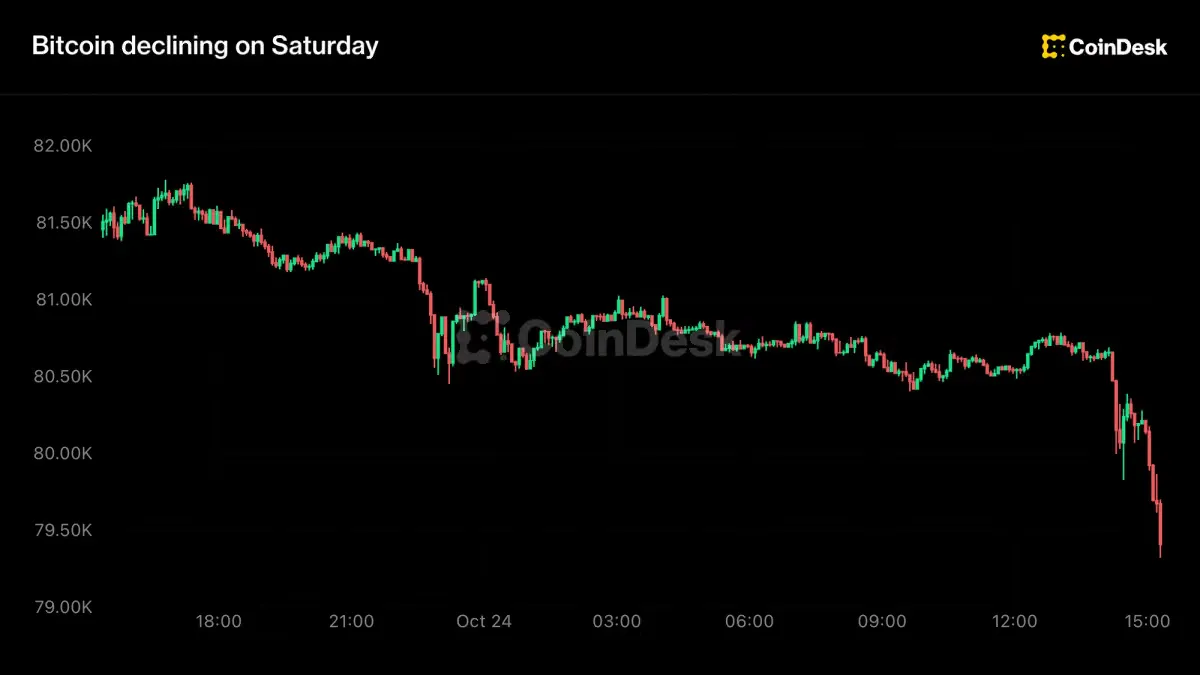
Bitcoin falls below $80,000 as U.S. evacuations heighten market pressure

Call of Duty studio discussed dropping physical discs as early as 2007

Xapo Bank CEO sees wealthy bitcoin holders favoring loans and yield strategies

IRS program overhaul targets reduced penalties for crypto and other tax violations