Tokenized stocks offer cheaper trading but lack shareholder rights
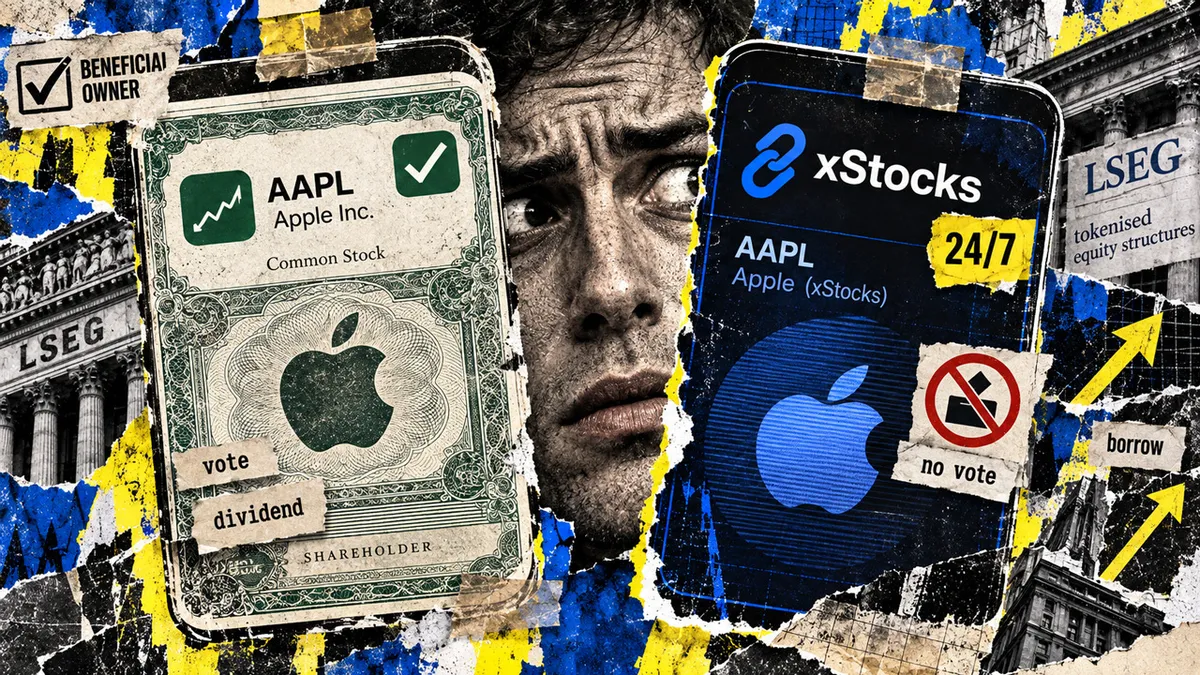
Tokenized stocks are increasingly capturing the attention of investors, offering a new way to trade that resembles traditional stocks but operates under a different framework. These financial products allow users to invest in assets like stocks through blockchain technology, presenting a unique opportunity for cheaper trading and broader access. However, the distinction lies in the fact that while these tokens may appear similar in name and price to conventional shares, they do not confer the same rights typically associated with ownership, such as voting on corporate matters or receiving dividends.
The concept of tokenized stocks has emerged from the growing trend of digital assets and decentralized finance (DeFi). As blockchain technology matures, the financial landscape evolves, creating new investment avenues. Traditional stock trading can often involve high fees and barriers to entry, especially for smaller investors. Tokenized stocks aim to democratize access to investments, allowing individuals to trade fractions of shares at a lower cost, which is particularly appealing in a world where equity ownership can be prohibitively expensive.
This development matters significantly for the broader market as it represents a shift in how investments are perceived and executed. With the rise of tokenized stocks, the lines between traditional finance and the burgeoning world of cryptocurrencies are becoming increasingly blurred. Investors can engage with the market in innovative ways, but they must also navigate the complexities and risks that come with these new products. The lack of shareholder rights could lead to confusion and potential regulatory scrutiny, prompting a dialogue about the future of financial ownership.
Industry experts have expressed mixed feelings regarding tokenized stocks. Some see them as a transformative tool that fosters greater inclusivity in the investment space, while others caution against the potential pitfalls, including regulatory compliance and the implications of lacking shareholder rights. The conversation around these products is evolving, with many advocating for clearer frameworks to ensure investor protection while also promoting innovation in financial markets.
Looking ahead, the future of tokenized stocks will likely hinge on regulatory developments and market acceptance. As more investors become aware of these products, the demand for clarification on rights and responsibilities will grow. Financial institutions and regulators will need to address these concerns to create a stable environment for tokenized stocks, potentially paving the way for their integration into mainstream finance.

CoinMagnetic Team
Crypto investors since 2017. We trade with our own money and test every exchange ourselves.
Updated: September 2026
From our insights:
Related news
Google Quietly Updates Privacy Policy to Let Gmail and Photos Data Feed Ads
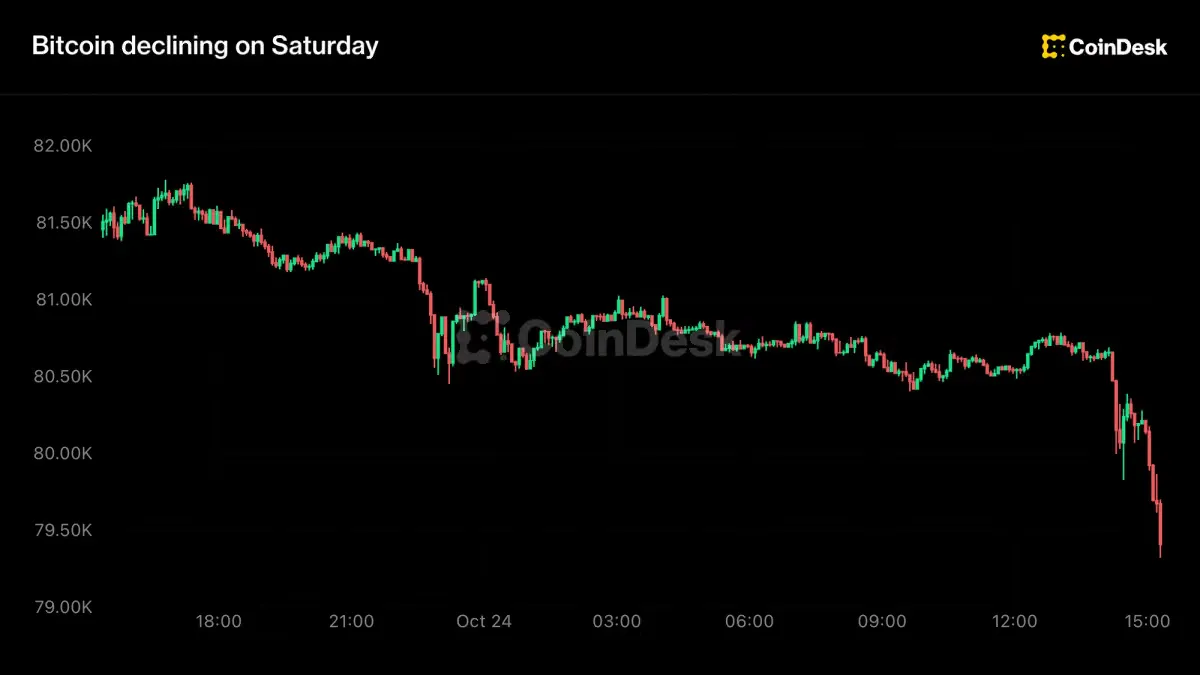
Bitcoin falls below $80,000 as U.S. evacuations heighten market pressure

Call of Duty studio discussed dropping physical discs as early as 2007

Xapo Bank CEO sees wealthy bitcoin holders favoring loans and yield strategies
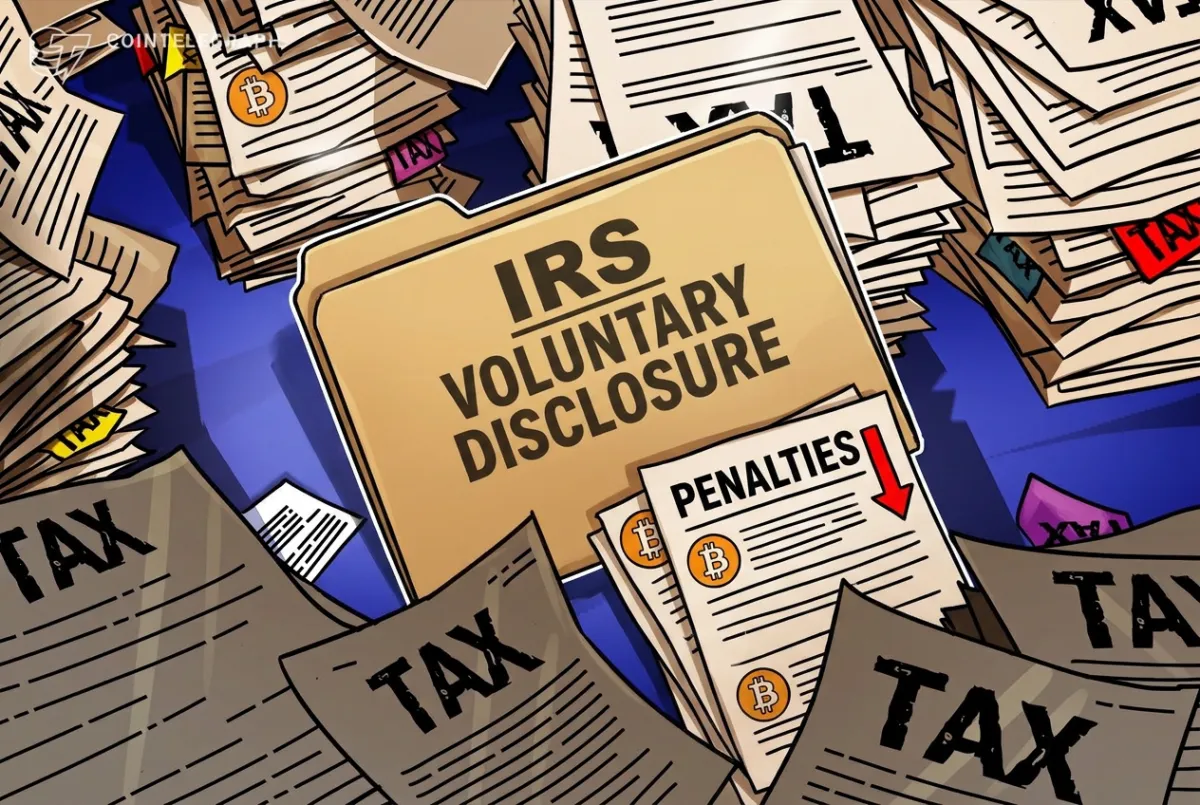
IRS program overhaul targets reduced penalties for crypto and other tax violations