Terence Tao cautions AI outpaces solutions to math's toughest challenges
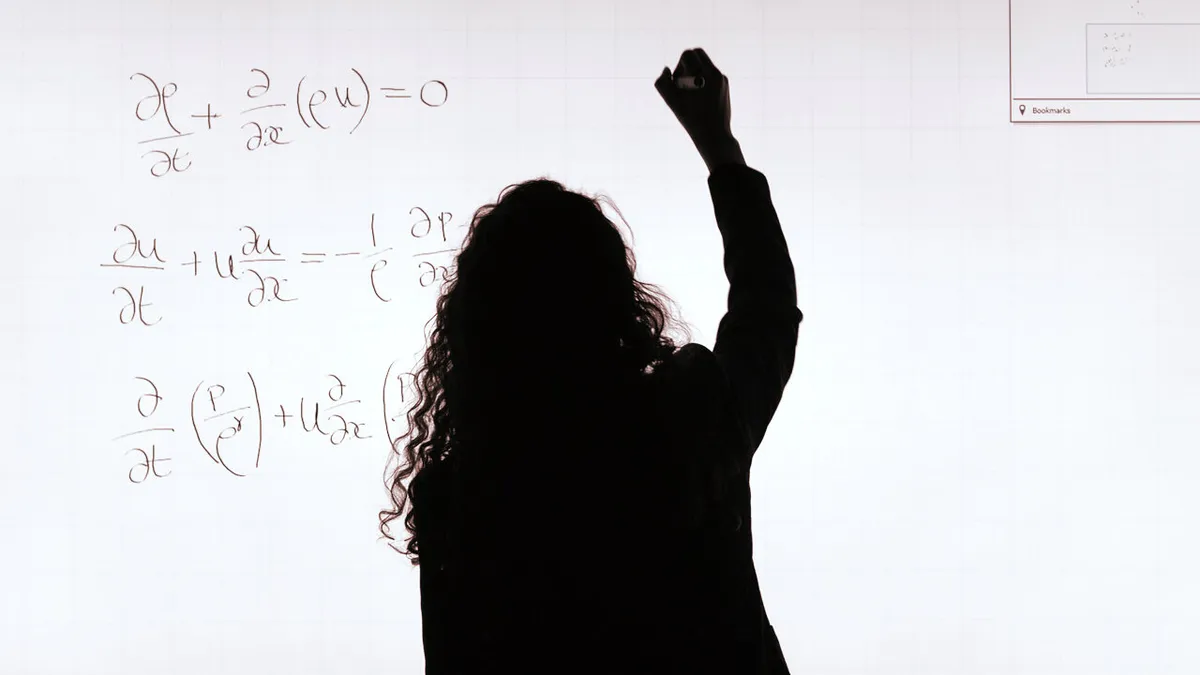
Renowned mathematician Terence Tao has raised concerns about the rapid advancements in artificial intelligence, specifically highlighting how AI systems are solving some of mathematics' most challenging problems faster than new ones can be formulated. In a recent commentary, Tao pointed to the competition between AI developers OpenAI and Anthropic, noting that their models are capable of addressing complex mathematical queries almost instantaneously. This phenomenon suggests that AI can effectively neutralize hard problems as soon as they are introduced into the academic discourse, creating a unique dynamic in the field of mathematics.
Tao's insights come against a backdrop of increasing reliance on AI in various disciplines, including mathematics. As AI technologies have evolved, they have demonstrated remarkable capabilities in pattern recognition, problem-solving, and data analysis. The collaboration between humans and AI is becoming more commonplace, leading to a situation where traditional mathematical challenges are being addressed with unprecedented speed, fundamentally altering the landscape of research and discovery in the field.
The implications of this development are significant for the mathematical community and the market at large. If AI continues to outpace traditional problem-solving methods, it could lead to a paradigm shift in how mathematical research is conducted. This may foster a new era of rapid innovation, but it also raises questions about the future of human mathematicians and the potential for AI to dominate this intellectual domain. Moreover, the capacity of AI to tackle problems quickly could attract more investment in AI research, further accelerating the technology's evolution and application across various sectors.
The reaction from the mathematical and tech communities has been mixed. Some experts express excitement at the potential for AI to enhance human capabilities and unlock new avenues of research. Others, however, voice concerns about the implications of AI outpacing human progress, warning that this could lead to a devaluation of mathematical expertise and creativity. The debate highlights the need for a balanced approach to integrating AI into academia, ensuring that human insight remains at the forefront of research despite the advantages that AI offers.
Looking ahead, the race between AI capabilities and the development of new mathematical challenges is likely to intensify. As AI systems become more sophisticated, they may not only solve existing problems but also redefine what constitutes a challenging mathematical problem. Researchers in the field will need to adapt to this changing landscape, potentially focusing on more complex or abstract areas of study, as traditional problems become increasingly accessible to AI. The implications for mathematics and related fields are profound, suggesting a future where collaboration between human intellect and artificial intelligence becomes the norm.

CoinMagnetic Team
Crypto investors since 2017. We trade with our own money and test every exchange ourselves.
Updated: September 2026
From our insights:
Related news

Google Quietly Updates Privacy Policy to Let Gmail and Photos Data Feed Ads
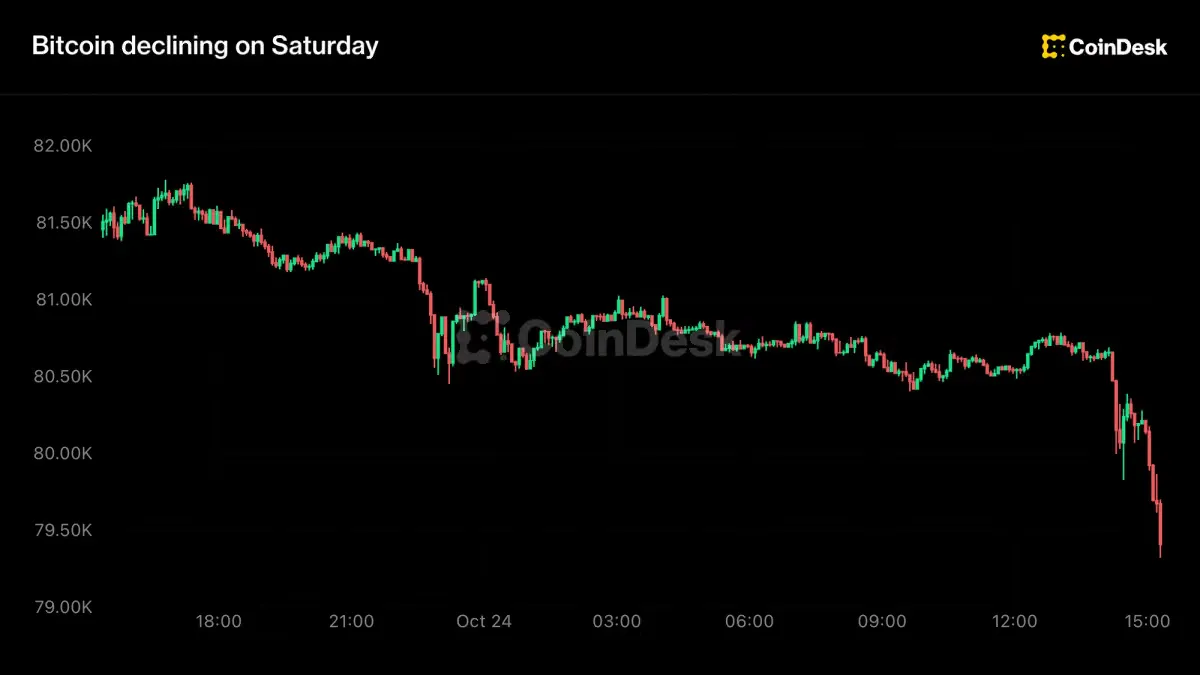
Bitcoin falls below $80,000 as U.S. evacuations heighten market pressure

Call of Duty studio discussed dropping physical discs as early as 2007

Xapo Bank CEO sees wealthy bitcoin holders favoring loans and yield strategies

IRS program overhaul targets reduced penalties for crypto and other tax violations