Google Quietly Updates Privacy Policy to Let Gmail and Photos Data Feed Ads
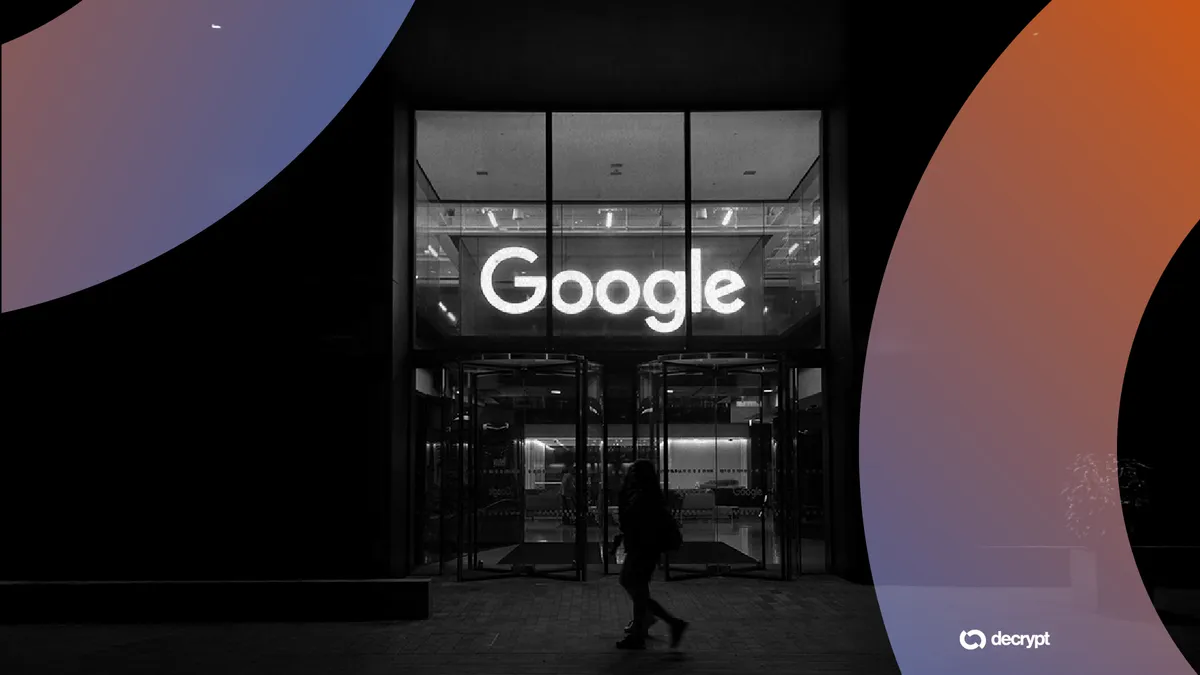
In a noteworthy shift, Google has updated its privacy policy, which will take effect on October 16. This change introduces an exception to the company's long-held commitment to user privacy by permitting data from connected services such as Gmail, Google Drive, and Google Photos to be utilized for personalizing advertisements. The integration of this data into Google's Personal Intelligence AI features marks a significant evolution in how user information is leveraged for targeted marketing.
The update comes amidst an ongoing dialogue about privacy and data security, particularly as tech giants face increasing scrutiny from both regulators and consumers. For years, Google has maintained a promise to keep user data private and not to use it for ad personalization without explicit consent. However, the latest policy amendment reflects a shift in strategy, potentially aiming to enhance ad targeting capabilities while navigating the complex landscape of user trust and regulatory requirements.
This policy change is significant for the advertising market and could lead to more effective ad targeting as Google's AI algorithms access a broader array of user data. By feeding AI-powered systems with more personalized information, advertisers may achieve higher engagement rates and conversion metrics. This could also influence competitors in the digital advertising sector, prompting them to reassess their own privacy policies and data usage strategies in order to remain competitive.
Industry reactions have been mixed, with some experts expressing concerns about the implications for user privacy and the potential erosion of trust in Google's services. Privacy advocates warn that this move could normalize the use of sensitive data for commercial purposes without explicit consent, while others argue that the benefits of personalized advertising could enhance user experience. It remains to be seen how consumers will react to this change and whether it will affect their usage of Google's services.
Looking ahead, it will be crucial for Google to balance the need for effective advertising with user privacy concerns. As the policy takes effect, the market will be watching closely to gauge its impact on user behavior and trust. This could set a precedent for how other tech companies approach similar issues in the future, making it a pivotal moment in the ongoing conversation about data privacy in the digital age.

CoinMagnetic Team
Crypto investors since 2017. We trade with our own money and test every exchange ourselves.
Updated: October 2026
From our insights:
Related news
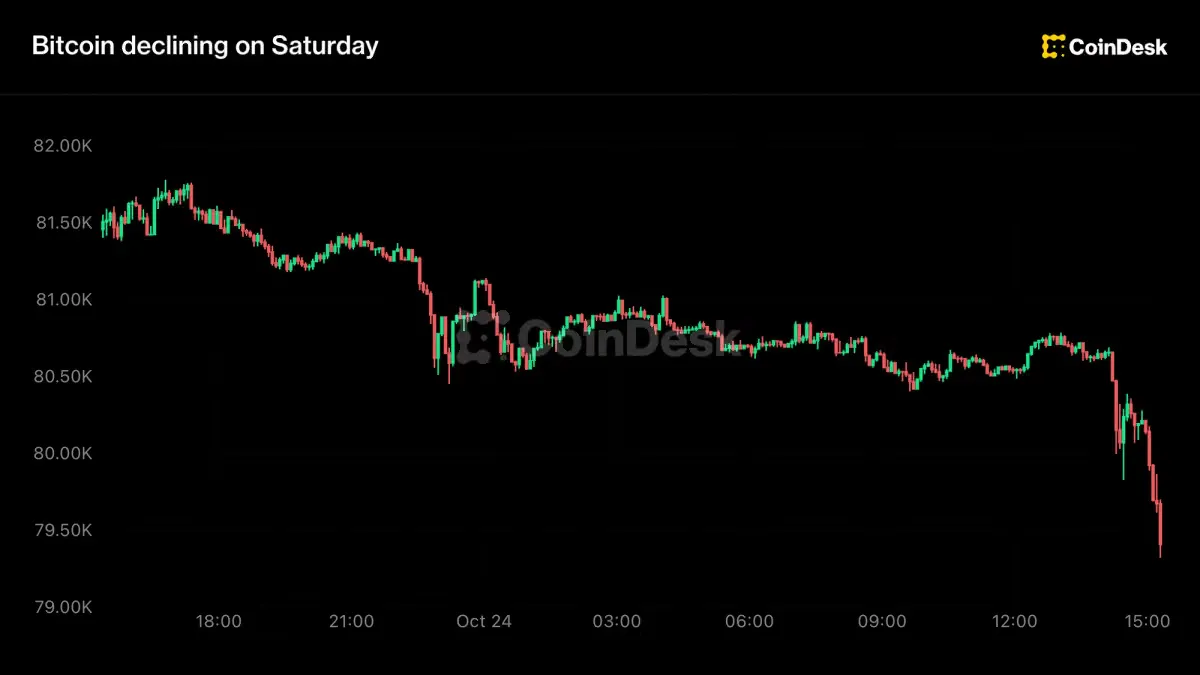
Bitcoin falls below $80,000 as U.S. evacuations heighten market pressure

Call of Duty studio discussed dropping physical discs as early as 2007

Xapo Bank CEO sees wealthy bitcoin holders favoring loans and yield strategies

IRS program overhaul targets reduced penalties for crypto and other tax violations

SpaceX filing designates Elon Musk as controlling shareholder for Tesla combinations