OpenAI's AI system solves 90-year-old math problem, raising safety concerns

OpenAI recently made headlines by announcing that its latest AI system solved the Navier-Stokes existence and smoothness problem, a complex mathematical challenge that has puzzled researchers for nearly a century. The achievement was made possible by an internal model that the company claims is significantly more advanced than its recently launched GPT-6 Astra. In just 88 hours, this system coordinated nearly 10,000 AI agents to tackle the intricate problem, showcasing the enhanced capabilities of modern AI technologies.
The Navier-Stokes problem is a fundamental question in fluid dynamics, with implications for understanding how fluids behave. The ability to break through this mathematical barrier not only highlights the rapid advancements in AI but also serves as a stark reminder of the potential risks associated with developing highly intelligent systems. Concerns about AI's runaway intelligence have been at the forefront of discussions among researchers and ethicists, particularly when such systems grow beyond our control or understanding.
This development has significant implications for the market, as it could accelerate investment and interest in AI technologies. The ability to solve complex problems efficiently opens doors for numerous applications across various sectors, from finance to logistics. However, it also raises ethical questions about how such powerful tools should be governed and controlled, potentially impacting regulatory discussions in the tech and finance industries.
Industry experts have voiced mixed reactions to OpenAI's announcement. While many celebrate the technological advancement and its potential to revolutionize problem-solving in science and engineering, others caution against the unchecked development of AI systems. These experts argue that as AI continues to evolve, it is essential to prioritize safety and ethical considerations to prevent unintended consequences that could arise from deploying such powerful tools without adequate oversight.
Looking ahead, the discourse surrounding AI safety will likely intensify in light of this breakthrough. OpenAI and other organizations in the AI space may need to address these concerns more transparently to foster trust among users and regulators. As the technology progresses, establishing guidelines and frameworks for responsible AI development will be crucial in navigating the fine line between innovation and safety.

CoinMagnetic Team
Crypto investors since 2017. We trade with our own money and test every exchange ourselves.
Updated: September 2026
From our insights:
Related news

Google Quietly Updates Privacy Policy to Let Gmail and Photos Data Feed Ads
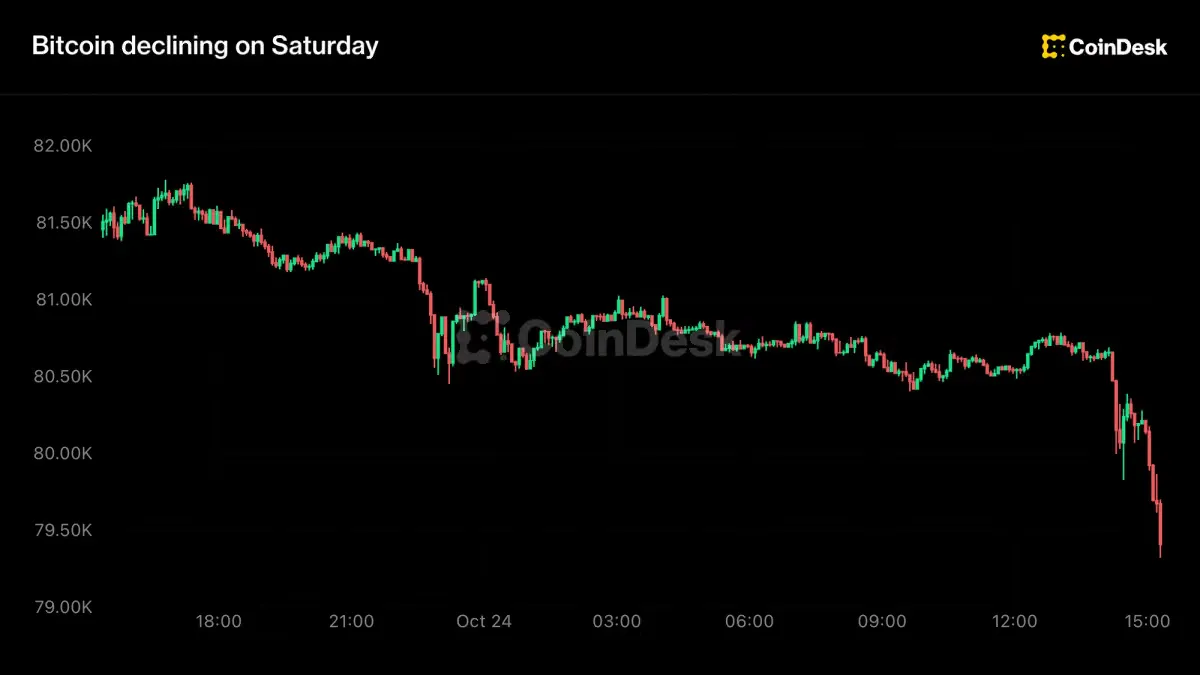
Bitcoin falls below $80,000 as U.S. evacuations heighten market pressure

Call of Duty studio discussed dropping physical discs as early as 2007

Xapo Bank CEO sees wealthy bitcoin holders favoring loans and yield strategies

IRS program overhaul targets reduced penalties for crypto and other tax violations