Ethereum validators asked to fund projects with up to 10% of staking rewards under new proposal

A new governance proposal has emerged within the Ethereum community, suggesting that validators could allocate up to 10% of their staking rewards to fund various projects within the ecosystem. This initiative is designed to promote the growth and sustainability of Ethereum by encouraging validators to invest in projects that can enhance the network’s functionality and usability. However, the proposal has sparked discussions about the implications of such funding, including questions surrounding coordination, incentives, and the decision-making process regarding which projects receive support.
To understand the significance of this proposal, it is essential to consider the context in which it arises. Ethereum has been transitioning to a proof-of-stake (PoS) consensus mechanism with the launch of Ethereum 2.0, which has fundamentally altered how the network operates. Validators, who secure the network by staking their Ether, earn rewards for their contributions. As the Ethereum ecosystem matures, there is a growing need for sustained development and innovation, leading to the consideration of how those staking rewards can be utilized more strategically. The proposal to redirect a portion of these rewards toward ecosystem projects seeks to address this need directly.
This initiative could have substantial ramifications for the broader market. By enabling validators to support projects financially, it could foster increased collaboration and innovation within the Ethereum ecosystem. This potential for enhanced development could lead to new applications, services, and improvements that attract more users and developers, ultimately enriching the Ethereum network. However, the proposal also raises concerns about the risk of misalignment in incentives, as validators may prioritize projects that benefit them directly over those that serve the community's broader interests.
Reactions from industry experts and stakeholders have been varied. Some view the proposal as a positive step that could unlock significant funding for innovative projects, thereby strengthening the Ethereum network. Others, however, express caution, highlighting the challenges related to governance and the potential for conflicts of interest. The need for transparent decision-making processes and effective coordination among validators is essential to ensure that the funds are allocated in a manner that serves the community as a whole rather than specific individuals or groups.
Looking ahead, the outcome of this proposal will depend on community feedback and discussions within the Ethereum governance structure. It remains to be seen how validators will respond to the idea of redirecting a portion of their rewards and what processes will be established to manage the funding allocation effectively. As the proposal evolves, it will be crucial for all stakeholders to engage in constructive dialogue to address the underlying concerns while maximizing the potential benefits for the Ethereum ecosystem.

CoinMagnetic Team
Crypto investors since 2017. We trade with our own money and test every exchange ourselves.
Updated: June 2026
From our insights:
Related news

Solstice CEO predicts less volatile future for crypto cycles amid liquidity growth

Pragma flags 6 price feeds as critical risk following $3.5M Starknet lending exploit

Ethereum's $120 billion in staking masks underlying supply dynamics

NEAR price surges 80% weekly as Intents volume approaches $30 billion
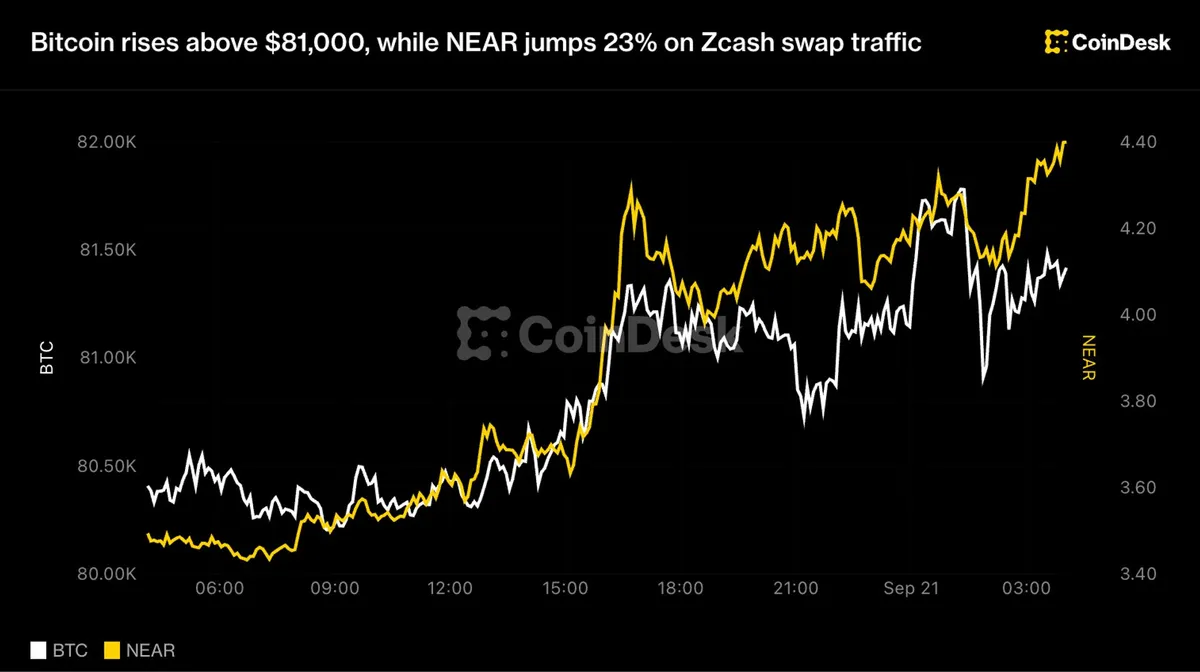
Bitcoin surpasses $81,000 as NEAR surges 23% amid Zcash swap activity