Ethereum ‘tax’ debate erupts over proposal to redirect portion of staking rewards to ecosystem funding

A recent proposal circulating on the Ethereum Research forum has ignited a significant debate within the community regarding the allocation of staking rewards. The suggestion advocates for allowing Ethereum validators to vote on redirecting up to 10% of their staking rewards toward funding public goods within the ecosystem. This initiative aims to support projects that enhance the Ethereum network and broader decentralized applications, potentially promoting a more sustainable development environment. Proponents argue that this could bolster the ecosystem's growth while ensuring that validators contribute to the long-term viability of Ethereum.
To understand the context of this proposal, it is essential to recognize the growing importance of public goods funding in the crypto space. As Ethereum transitions to a proof-of-stake consensus mechanism, the staking rewards have become a pivotal aspect of the network's economy. Historically, a portion of these rewards has been retained by validators, but with the increasing demand for infrastructure and services that benefit the entire Ethereum ecosystem, many have started to question the sustainability of solely rewarding individual validators. The proposal reflects a broader conversation about how to collectively support projects that enhance Ethereum's functionality and accessibility.
This debate is particularly significant for the market, as it raises questions about the allocation of resources within the Ethereum ecosystem. If validated, the proposed redirection of rewards could influence validator behavior, potentially altering the dynamics of staking. A shift towards funding public goods could attract a new wave of developers and projects to Ethereum, fostering innovation and potentially increasing the network's overall value. However, this proposal also invites concerns from validators who may be hesitant to see their earnings reduced, which could create friction within the community.
Industry reactions have varied, with some experts supporting the idea as a necessary step for the network's long-term health, while others express apprehension about potential backlash from validators. Notably, several influential figures in the Ethereum community have weighed in, advocating for a collaborative approach to governance that ensures all stakeholders have a voice in the decision-making process. This proposal has triggered a broader discussion about community-driven initiatives and how best to balance individual incentives with collective benefits.
Looking ahead, the outcome of this debate will likely hinge on community engagement and the ability to facilitate a consensus among validators. If the proposal gains traction, we may see a formal voting process emerge, allowing validators to express their preferences. This could set a precedent for future governance decisions within Ethereum, further shaping the landscape of decentralized governance as the network continues to evolve. As the conversation unfolds, it will be crucial to monitor how this initiative impacts not only the Ethereum ecosystem but also the broader crypto market dynamics.

CoinMagnetic Team
Crypto investors since 2017. We trade with our own money and test every exchange ourselves.
Updated: June 2026
From our insights:
Related news

Solstice CEO predicts less volatile future for crypto cycles amid liquidity growth

Pragma flags 6 price feeds as critical risk following $3.5M Starknet lending exploit

Ethereum's $120 billion in staking masks underlying supply dynamics

NEAR price surges 80% weekly as Intents volume approaches $30 billion
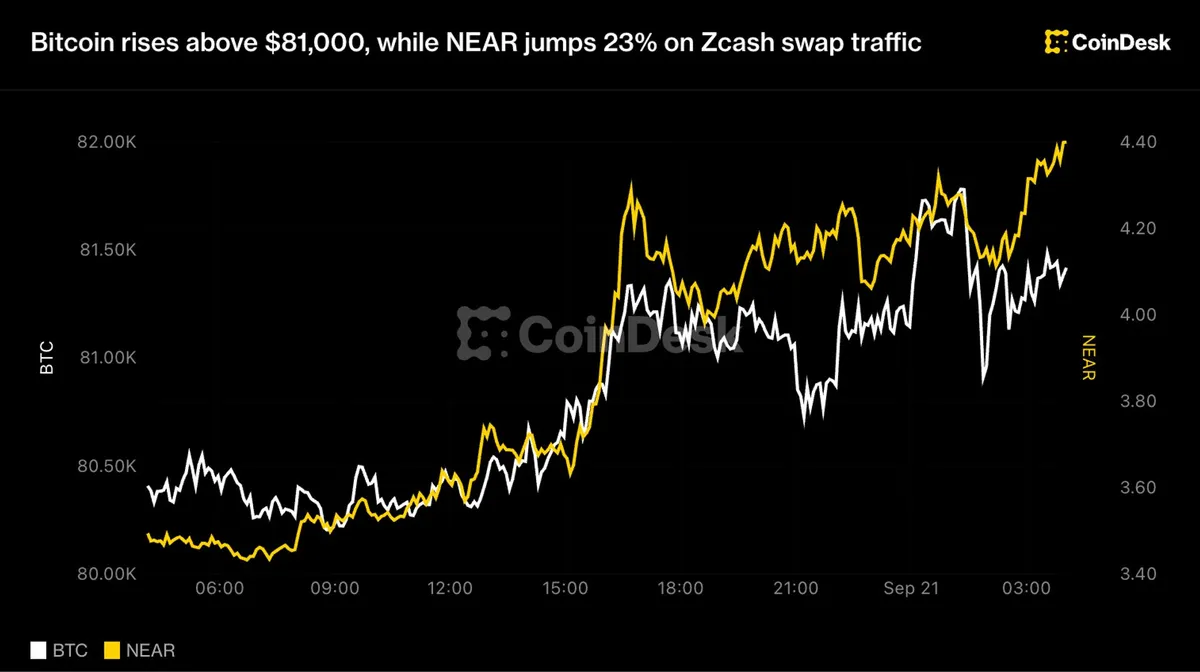
Bitcoin surpasses $81,000 as NEAR surges 23% amid Zcash swap activity