Ethereum’s much-hated staking 'tax' may already be obsolete

Ethereum is currently grappling with a significant debate surrounding its staking rewards and the proposed "tax" on these earnings. This issue has emerged amid what some are calling a "funding crisis" within the Ethereum ecosystem, as developers and stakeholders seek sustainable funding mechanisms for ongoing and future projects. The contentious plan to impose a tax on staking rewards has drawn criticism from various corners, especially as some of the larger ETH holders and development labs are stepping forward to fund initiatives off-chain, suggesting that decentralized funding models may be a viable alternative.
To understand the backdrop of this debate, it is essential to consider the evolution of Ethereum's staking mechanism. Following the transition to proof-of-stake with Ethereum 2.0, staking became a popular method for holders to earn rewards. However, the introduction of a tax on these rewards has raised concerns about discouraging participation in staking, which could ultimately undermine the network's security and decentralization. The situation has intensified as Ethereum faces challenges in funding its development and scaling efforts, leading to a more urgent discussion around how to sustain and grow the network.
The implications of this controversy extend beyond mere taxation; they touch on broader themes of governance, decentralization, and the future of Ethereum itself. If the tax on staking rewards is implemented, it could deter new validators from joining the network, potentially leading to centralization risks where only the wealthiest stakeholders can afford to stake. Conversely, if the community rallies behind off-chain funding solutions, it could signal a shift in how Ethereum finances its development, fostering innovation and resilience in the ecosystem, while also possibly strengthening the sense of community ownership among participants.
Industry reactions to this debate have been varied. Some experts advocate for the taxation model, arguing that it could provide a more stable financial foundation for the network's ongoing development. Others strongly oppose it, citing the risks of reduced participation in staking and the potential for centralization. Influential voices in the community emphasize the need for a balanced approach that both incentivizes staking and ensures adequate funding for development without imposing burdensome taxes. The discourse reflects a broader struggle within the crypto community over how best to maintain decentralization while securing necessary resources.
Looking ahead, the Ethereum community faces a critical juncture. The outcome of this debate may shape not only the immediate future of staking rewards but also the long-term trajectory of Ethereum's growth and governance. As the discussions continue, stakeholders will need to weigh the benefits and drawbacks of both taxation and alternative funding models. The decisions made will likely resonate across the broader blockchain industry, influencing how other projects approach similar challenges in balancing incentives, funding, and decentralization.

CoinMagnetic Team
Crypto investors since 2017. We trade with our own money and test every exchange ourselves.
Updated: June 2026
From our insights:
Related news

Solstice CEO predicts less volatile future for crypto cycles amid liquidity growth

Pragma flags 6 price feeds as critical risk following $3.5M Starknet lending exploit

Ethereum's $120 billion in staking masks underlying supply dynamics

NEAR price surges 80% weekly as Intents volume approaches $30 billion
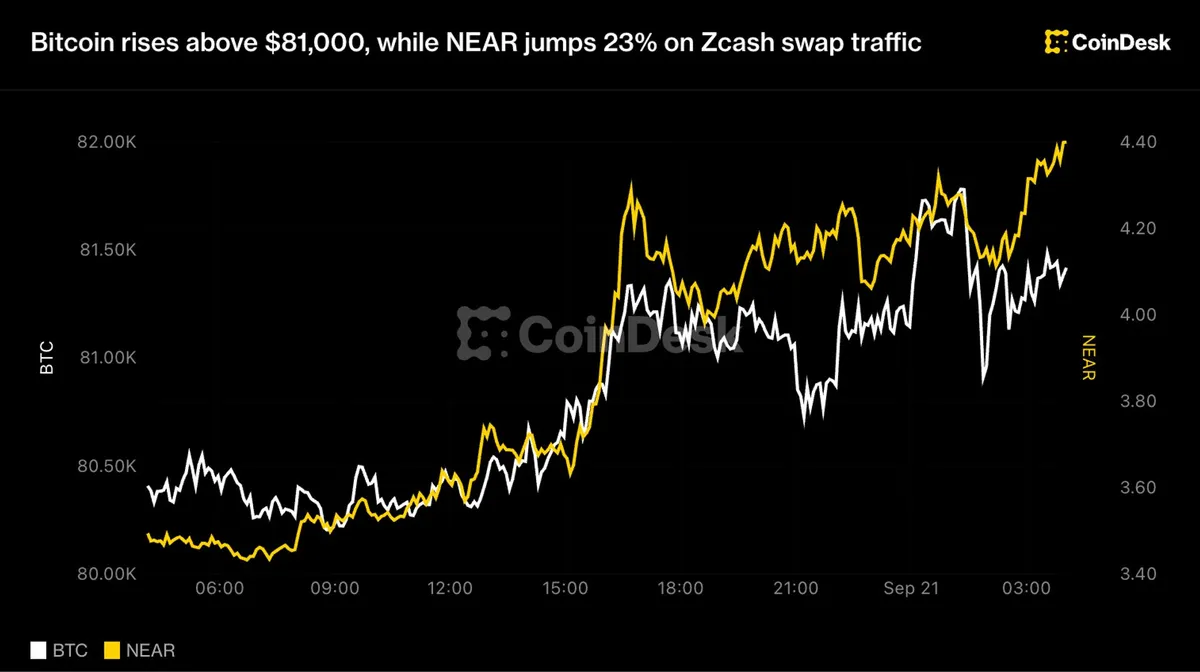
Bitcoin surpasses $81,000 as NEAR surges 23% amid Zcash swap activity