ETH stakers could see rewards cut as Ethereum fights to fund its future

Ethereum's core contributors are currently engaged in discussions about a significant structural overhaul that could potentially redirect staking rewards to bolster ecosystem development. This proposal aims to address a long-standing problem in the Ethereum community–funding public goods that benefit the entire network. Currently, while many improvements, such as security tools and client upgrades, enhance the network's overall functionality, the financial support for these initiatives has not been sufficient. By reallocating a portion of staking rewards, the Ethereum team hopes to ensure that essential services and developments continue to thrive.
To understand the implications of this proposal, it's important to consider Ethereum's historical funding mechanisms. Traditionally, the network has relied heavily on donations and volunteer contributions for public goods. However, as Ethereum has grown, the complexity and costs associated with maintaining and enhancing the ecosystem have also increased. This has resulted in a persistent struggle to secure adequate funding for crucial developments. The proposed changes could represent a pivotal shift in how the community approaches funding, potentially creating a more sustainable model for the future.
The potential impact on the market is significant. If staking rewards are reduced, current and prospective stakers may reconsider their participation in Ethereum's Proof of Stake (PoS) model. A decrease in rewards could lead to lower staking numbers, which in turn might affect the overall network security and stability. Conversely, if the reallocation leads to improved infrastructure and security tools, it could ultimately enhance user trust and participation in the ecosystem. Therefore, the outcome of this debate could shape the dynamics of Ethereum's staking landscape and influence investor sentiment.
Industry reactions to this proposal have been mixed. Some experts argue that redirecting funds toward public goods is essential for the long-term health of the ecosystem. They believe that prioritizing the development of critical infrastructure will create a more robust Ethereum, benefiting all users. However, others express concern that cutting rewards for stakers could disincentivize participation in the network. They warn that if stakers perceive diminished returns, it could lead to a decline in the overall security of the network, which could have far-reaching consequences.
Looking ahead, the Ethereum community will need to navigate the complexities of this proposal carefully. Stakeholder discussions are likely to continue, and the outcome will depend on achieving a balance between rewarding stakers and ensuring adequate funding for public goods. As the debate unfolds, it will be crucial for contributors to engage with the community to gauge sentiment and address concerns. The path forward will require thoughtful deliberation, as the decisions made now will shape the future of Ethereum and its ecosystem for years to come.

CoinMagnetic Team
Crypto investors since 2017. We trade with our own money and test every exchange ourselves.
Updated: June 2026
From our insights:
Related news

Solstice CEO predicts less volatile future for crypto cycles amid liquidity growth

Pragma flags 6 price feeds as critical risk following $3.5M Starknet lending exploit

Ethereum's $120 billion in staking masks underlying supply dynamics

NEAR price surges 80% weekly as Intents volume approaches $30 billion
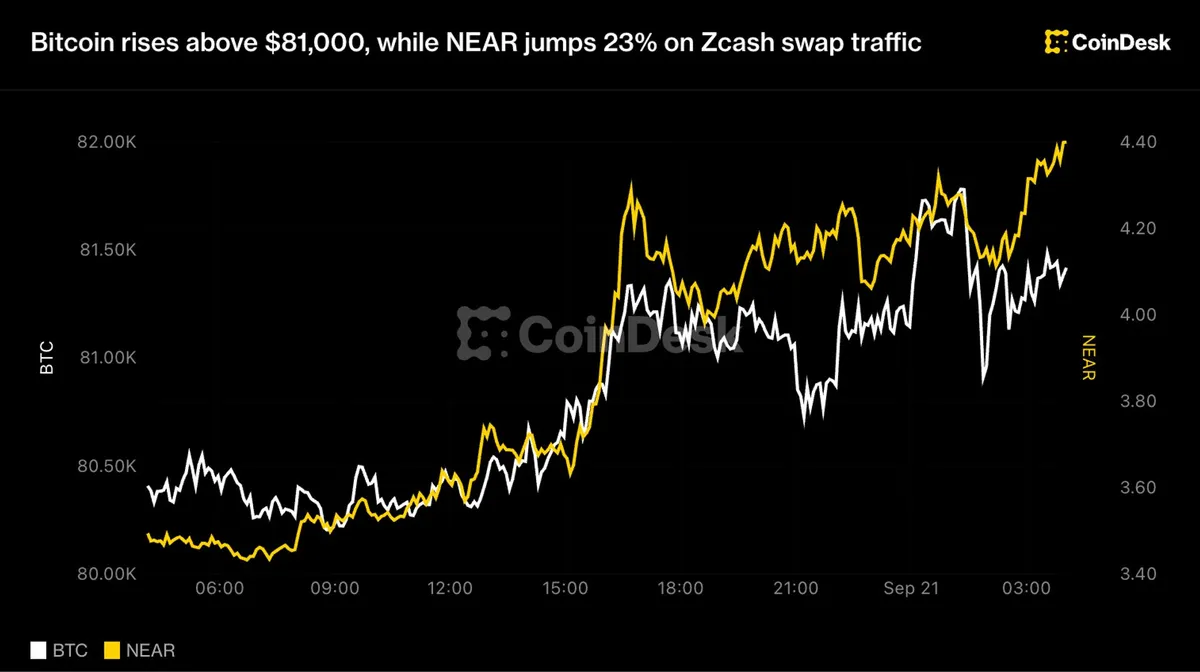
Bitcoin surpasses $81,000 as NEAR surges 23% amid Zcash swap activity