Crypto industry looks to stablecoins and DeFi revisions in MiCA 2.0

The European Commission is actively seeking feedback as it considers revisions to the Markets in Crypto-Assets (MiCA) framework, which aims to establish a comprehensive regulatory environment for the crypto and blockchain sectors within the European Union. As part of this initiative, the Commission is particularly focusing on stablecoins and decentralized finance (DeFi). The move comes in light of the rapid evolution of the crypto landscape, where technological advancements and market dynamics have outpaced existing regulations. By soliciting comments from industry stakeholders, the Commission hopes to refine MiCA 2.0 to better address the unique challenges and opportunities posed by these innovative financial technologies.
The original MiCA regulation, which was proposed in 2020 and has been in the works for some time, was designed to create a unified regulatory framework across EU member states. It aimed to provide legal clarity for crypto assets while ensuring consumer protection, market integrity, and financial stability. As the crypto market has matured, however, the rise of stablecoins–cryptocurrencies pegged to traditional assets–and the growth of DeFi platforms have raised new regulatory questions. Issues such as the potential for systemic risk, the need for robust consumer protections, and the challenges of governing decentralized networks have prompted the European Commission to revisit its approach.
The implications of MiCA 2.0 are significant for the broader cryptocurrency market. If stablecoins are effectively regulated, it could lead to increased institutional participation and greater confidence from consumers, thereby stabilizing market fluctuations. Furthermore, clear guidelines for DeFi could pave the way for more innovative financial products while ensuring that they adhere to legal standards. This could enhance the legitimacy of the crypto sector and attract traditional financial institutions, which have been cautious about entering the space due to regulatory uncertainties.
Industry experts and stakeholders have expressed a mix of optimism and caution regarding the Commission's move. Many see it as an opportunity to create a balanced regulatory framework that fosters innovation while ensuring safety and compliance. However, some warn that overly stringent regulations could stifle growth and drive innovation outside of the EU, potentially leading to a competitive disadvantage. Feedback from industry players is expected to be diverse, reflecting various interests, from traditional financial institutions and fintech companies to decentralized projects and consumer advocacy groups.
Looking ahead, the European Commission's timeline for revising MiCA will be crucial. The feedback it gathers will likely influence the legislative process, shaping the final version of the framework. As the Commission moves forward, stakeholders will be closely monitoring developments, with the hope that the new regulations will provide a supportive environment for the burgeoning crypto ecosystem while addressing necessary regulatory concerns. The outcome of these revisions could set a precedent for how other jurisdictions approach cryptocurrency regulation in the future.

CoinMagnetic Team
Crypto investors since 2017. We trade with our own money and test every exchange ourselves.
Updated: June 2026
From our insights:
Related news

Solstice CEO predicts less volatile future for crypto cycles amid liquidity growth

Pragma flags 6 price feeds as critical risk following $3.5M Starknet lending exploit

Ethereum's $120 billion in staking masks underlying supply dynamics

NEAR price surges 80% weekly as Intents volume approaches $30 billion
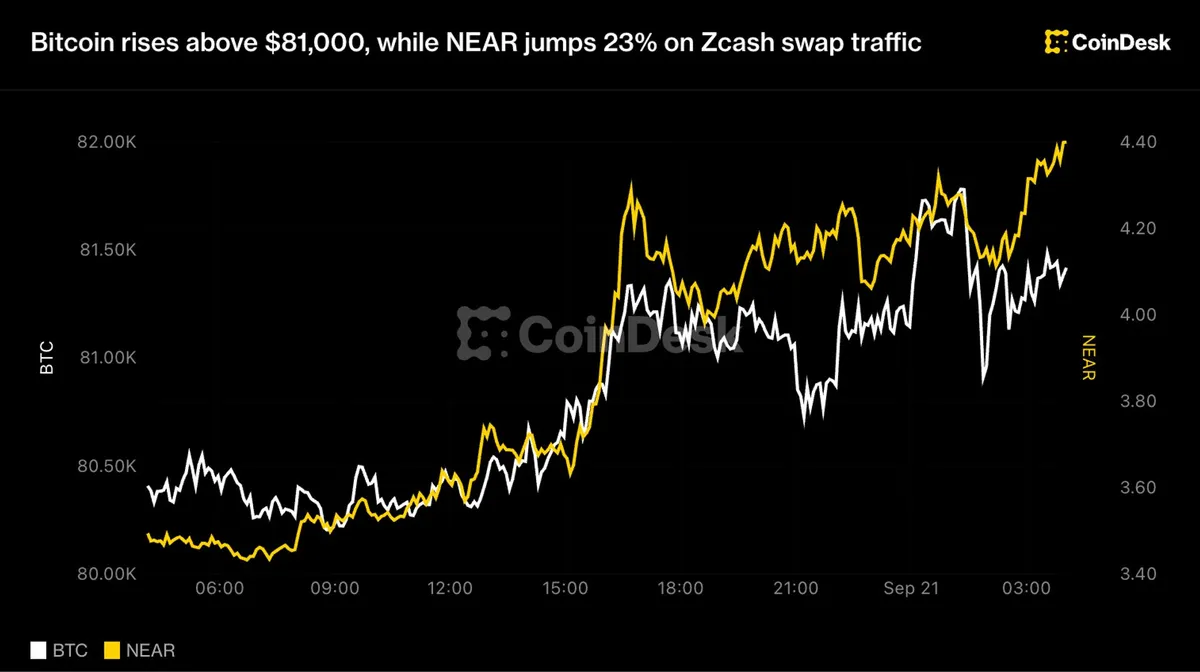
Bitcoin surpasses $81,000 as NEAR surges 23% amid Zcash swap activity