Crypto fatwa sparks debate over Pakistan’s digital asset framework

Recently, the Pakistan Securities and Exchange Commission (SECP) engaged in discussions with renowned Islamic scholar Mufti Taqi Usmani following the issuance of a fatwa declaring cryptocurrency purchases impermissible under Islamic law. This development has created significant ripples within Pakistan's burgeoning crypto community and has raised critical questions about the future of digital assets in the region. The fatwa, which has garnered attention both locally and internationally, asserts that cryptocurrencies do not align with Islamic finance principles, citing concerns over speculation and uncertainty.
To understand the weight of this announcement, it is essential to consider the context surrounding cryptocurrency adoption in Pakistan. The nation has seen a rapid increase in crypto trading, with a diverse range of participants from young tech-savvy individuals to seasoned investors. However, the regulatory environment has been relatively ambiguous, leading to a mix of enthusiasm and caution among potential investors. The SECP's recent initiative to engage with religious authorities underscores the complexity of integrating traditional values with the modern financial landscape, particularly in a country where Islamic law plays a significant role in everyday life.
This fatwa has broader implications for the cryptocurrency market in Pakistan and potentially in other Islamic nations. For many investors, the religious ruling could deter participation in an already volatile market, stifling innovation and investment opportunities. Additionally, the fatwa raises questions about the regulatory framework that governs digital assets in Pakistan. As the government looks to formalize crypto regulations, it must navigate the delicate balance between fostering innovation and respecting cultural and religious values, which could set a precedent for other nations grappling with similar dilemmas.
Industry reactions have been varied, with some experts emphasizing the need for a comprehensive dialogue between regulators and religious scholars to reach a mutual understanding. Others argue that the fatwa may lead to further marginalization of cryptocurrencies within the financial system, impacting local startups and entrepreneurs who are eager to leverage blockchain technology. The crypto community in Pakistan is calling for clarity and guidance from regulators, hoping for a framework that accommodates both Islamic principles and technological advancement.
Looking ahead, we can anticipate ongoing discussions between the SECP and religious authorities as they seek to establish a framework that aligns with Islamic finance while allowing for responsible crypto adoption. The outcomes of these talks will likely shape not only Pakistan's approach to digital assets but could also influence how other countries with significant Muslim populations address similar issues. As the situation evolves, stakeholders will be keenly watching for regulatory announcements that clarify the future of cryptocurrency in Pakistan and its potential integration within the broader financial system.

CoinMagnetic Team
Crypto investors since 2017. We trade with our own money and test every exchange ourselves.
Updated: July 2026
From our insights:
Related news

George Washington University physicists devise formula to forecast chatbot failure
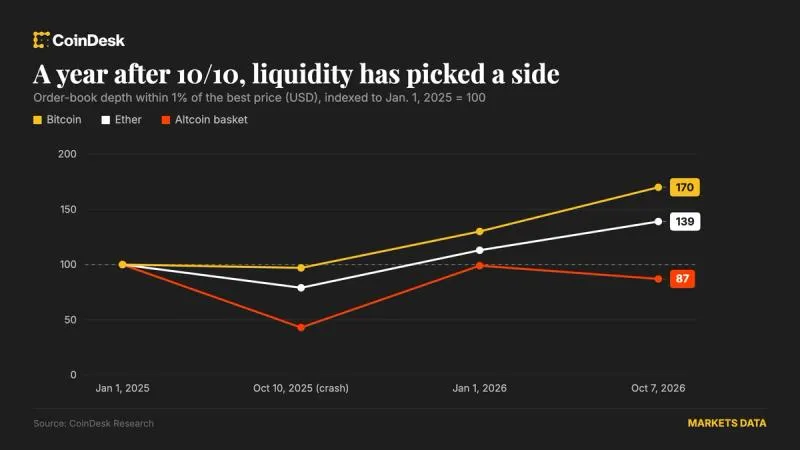
One year after 10/10 flash crash, bitcoin and ether liquidity have rebuilt, but altcoins still face risks

Tokenized commodities expand past gold into lending and oil markets

Justin Sun says Tron’s post-quantum cryptography has gone live on testnet

Traders adopt better risk tools one year after a $19 billion bitcoin flash crash