Adam Back’s 30,021 BTC Bitcoin treasury deal just lost the funding structure holding it together

Adam Back's ambitious initiative to launch a Bitcoin treasury, backed by a significant 30,021 BTC, is facing unexpected turbulence as the financing structure that initially supported the deal has become non-binding. The parties involved, Cantor and BSTR, are currently in negotiations to establish new terms that will enable the project to move forward. With investor demand now being put to the test, this situation raises questions about the viability and attractiveness of such treasury initiatives in the current market.
To understand the implications of this development, we must consider the context surrounding Adam Back's venture. Back, a prominent figure in the cryptocurrency space and co-founder of Blockstream, has long been an advocate for Bitcoin as a store of value. His treasury initiative aimed to institutionalize Bitcoin holdings, making them more accessible to investors. However, the recent breakdown of the financing package highlights the challenges that can arise in structuring large-scale investments in a volatile market.
This situation is particularly significant for the market as it underscores the fragility of investor confidence in cryptocurrency projects. As the financing package dissolves, it signals potential hesitation among investors regarding Bitcoin-related investments. This could lead to broader implications for other cryptocurrency projects that are attempting to secure funding or launch similar treasury models. Market participants will be closely watching how this situation unfolds, as it could either restore confidence or deepen skepticism about the stability of Bitcoin as an investment vehicle.
Reactions from industry experts have been varied, with some expressing concern over the potential for this deal to set a negative precedent for future treasury initiatives. Others, however, argue that this situation offers a learning opportunity for investors and developers alike. By examining the factors that contributed to the breakdown of the financing package, the industry can develop more robust structures that can withstand market fluctuations. The ongoing negotiations between Cantor and BSTR will be crucial in determining the future of this deal and may influence how similar projects are approached in the future.
Looking ahead, the outcome of the negotiations will be pivotal for both Adam Back's treasury initiative and the broader cryptocurrency market. Should Cantor and BSTR successfully establish new terms, it could reinvigorate interest and confidence in Bitcoin treasuries. Conversely, if the negotiations falter, it may lead to a reevaluation of the risks associated with such investments. As the situation develops, we will continue to monitor the market's response and gather insights from industry experts to provide our audience with the latest updates.

CoinMagnetic Team
Crypto investors since 2017. We trade with our own money and test every exchange ourselves.
Updated: July 2026
From our insights:
Related news

George Washington University physicists devise formula to forecast chatbot failure
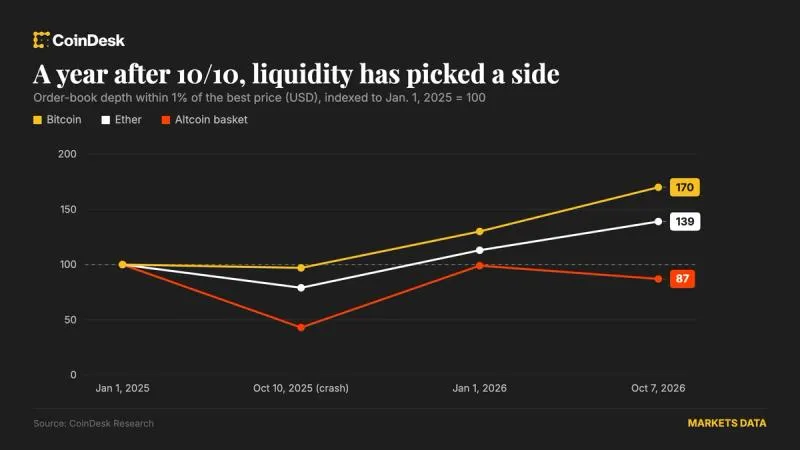
One year after 10/10 flash crash, bitcoin and ether liquidity have rebuilt, but altcoins still face risks

Tokenized commodities expand past gold into lending and oil markets

Justin Sun says Tron’s post-quantum cryptography has gone live on testnet

Traders adopt better risk tools one year after a $19 billion bitcoin flash crash