Bitcoin, ether little changed as U.S. launches fresh Iran strikes

The recent escalation in the Middle East, marked by the U.S. launching its third wave of strikes against Iran this week, has created a ripple of uncertainty that extends beyond geopolitical tensions and into the cryptocurrency markets. In response to these developments, Bitcoin and ether, the two largest cryptocurrencies by market capitalization, have shown little significant movement in their prices. This relative stability amidst turbulent news reflects a market that may be growing more resilient to external shocks, or possibly one that is holding its breath in anticipation of further developments.
To provide some context, the U.S. strikes come amid heightened tensions between the two nations, with Iran reportedly closing the strategic Strait of Hormuz–a vital channel for global oil shipments. The Strait is significant not just for energy markets but also for international trade routes, and any disruption here can have widespread implications. Historically, such military actions have led to increased volatility in various asset classes, including cryptocurrencies, as investors seek safe havens or react to shifts in global sentiment.
The stability of Bitcoin and ether during these tumultuous events suggests that the cryptocurrency market is beginning to decouple from traditional asset correlations, particularly during geopolitical crises. This could signal a maturation of the market, where digital assets are starting to establish their own narratives and dynamics rather than merely following the trends set by stocks or commodities. As investors weigh their options, the resilience of these cryptocurrencies might attract those looking for alternatives to traditional safe-haven assets like gold or the U.S. dollar.
Industry experts have weighed in on this situation, with some suggesting that the stability of cryptocurrencies in the face of such challenges could indicate a growing acceptance of digital assets as a legitimate store of value. Others caution that the market remains sensitive to broader economic factors and geopolitical developments, meaning that while Bitcoin and ether are holding steady now, they could react sharply if the situation escalates further. This duality reflects the complex nature of investor sentiment in the crypto space–both a hope for digital assets to stand firm amid crises and a recognition of their inherent volatility.
Looking ahead, the trajectory of cryptocurrencies may depend heavily on the unfolding geopolitical landscape and subsequent market reactions. If the situation in Iran continues to escalate, we may see shifts in trading patterns and investor strategies. Conversely, should there be a de-escalation, it could lead to a renewed focus on fundamentals and a potential rally in crypto prices. As always, keeping an eye on these developments will be crucial for stakeholders in the crypto markets.

CoinMagnetic Team
Crypto investors since 2017. We trade with our own money and test every exchange ourselves.
Updated: July 2026
From our insights:
Related news

George Washington University physicists devise formula to forecast chatbot failure
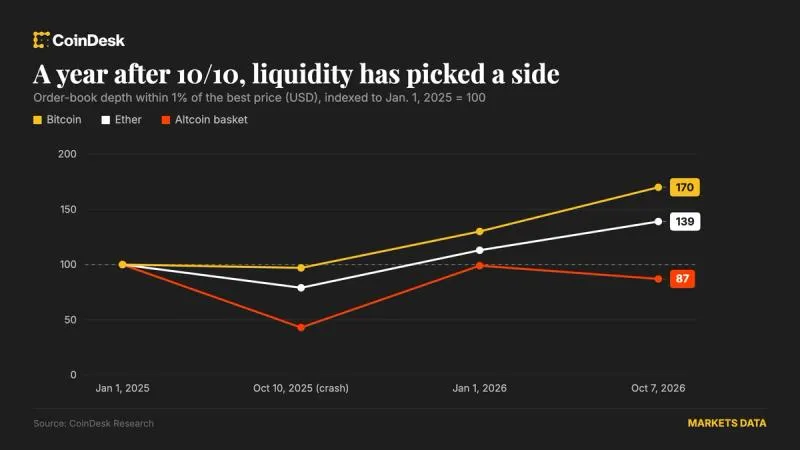
One year after 10/10 flash crash, bitcoin and ether liquidity have rebuilt, but altcoins still face risks

Tokenized commodities expand past gold into lending and oil markets

Justin Sun says Tron’s post-quantum cryptography has gone live on testnet
Traders adopt better risk tools one year after a $19 billion bitcoin flash crash