Bitcoin bulls Michael Saylor, Adam Back slam BIP-110 Ordinals proposal

Recently, Bitcoin advocates Michael Saylor and Adam Back have voiced strong opposition to the proposed BIP-110, which seeks to implement changes concerning Ordinals on the Bitcoin network. Their criticisms come at a time when the Ordinals protocol has seen a significant decline in transaction activity over the past two years. Saylor, known for his bullish stance on Bitcoin and his role as the CEO of MicroStrategy, argues that the proposal could undermine the fundamental principles of Bitcoin as a decentralized, peer-to-peer currency. Meanwhile, Back, co-founder of Blockstream, has echoed these sentiments, emphasizing the need to preserve Bitcoin's integrity and core functionalities.
To understand the context behind this debate, it's essential to recognize the role of Ordinals within the Bitcoin ecosystem. Launched in early 2023, Ordinals allow users to inscribe data directly onto individual satoshis, effectively enabling the creation of non-fungible tokens (NFTs) on the Bitcoin blockchain. While this innovation initially sparked significant interest, transaction volumes have dwindled as market enthusiasm waned. The proposed BIP-110 seeks to address specific operational aspects of Ordinals–changes that some in the community believe could further complicate or dilute Bitcoin's primary use as a currency.
This debate matters for the broader cryptocurrency market as it underscores the ongoing tension between innovation and tradition within the Bitcoin community. As Bitcoin continues to evolve, discussions surrounding proposals like BIP-110 reveal the challenges of maintaining a balance between new functionalities and the original vision of Bitcoin as a digital currency. Market participants are watching closely; any significant shifts in Bitcoin's protocol or governance could influence market sentiment and impact the asset's price dynamics.
Industry reactions to the BIP-110 proposal have been mixed, with various stakeholders weighing in on its potential implications. Some supporters of the proposal argue that it could enhance Bitcoin's utility and attract new users, while critics warn that it risks fragmenting the community and straying from Bitcoin's foundational ideals. Prominent voices in the industry have raised concerns about how changes to the protocol might affect Bitcoin's security and stability, leading to a cautious approach among some developers and investors.
Looking ahead, the discussion surrounding BIP-110 is likely to continue as stakeholders deliberate on its merits and risks. With Bitcoin's decentralized nature, reaching a consensus will be challenging, and the outcome could set important precedents for future proposals. As the ecosystem evolves, how the community navigates these debates will play a crucial role in shaping Bitcoin's trajectory and its standing in the broader cryptocurrency landscape.

CoinMagnetic Team
Crypto investors since 2017. We trade with our own money and test every exchange ourselves.
Updated: July 2026
From our insights:
Related news

George Washington University physicists devise formula to forecast chatbot failure
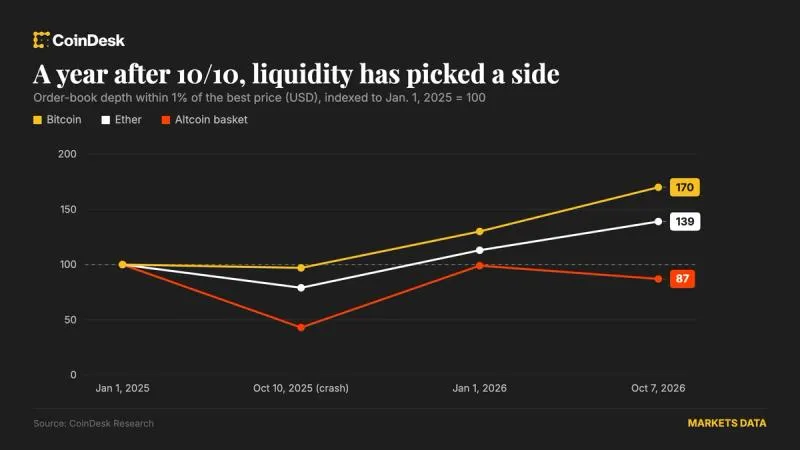
One year after 10/10 flash crash, bitcoin and ether liquidity have rebuilt, but altcoins still face risks

Tokenized commodities expand past gold into lending and oil markets

Justin Sun says Tron’s post-quantum cryptography has gone live on testnet

Traders adopt better risk tools one year after a $19 billion bitcoin flash crash