Congress is weighing whether crypto tax relief should stop at stablecoins

In a recent hearing held by the House Ways and Means Committee on June 9, lawmakers discussed the potential for new tax regulations surrounding cryptocurrencies, with a specific focus on whether tax relief should extend beyond stablecoins. The hearing examined various use cases of digital assets, including small payments, network fees, and activities like mining and staking. This conversation is pivotal as it could shape how these cryptocurrencies are treated under the tax code in the United States, possibly affecting their adoption and use in everyday transactions.
The growing popularity of cryptocurrencies has prompted Congress to rethink their regulatory framework, particularly in regards to taxation. Stablecoins, which are designed to maintain a stable value against a fiat currency, have emerged as a key focus due to their increasing usage in transactions and as a medium of exchange. Historically, the tax implications for cryptocurrency transactions have been unclear, leading to confusion among users and potential barriers to wider adoption. This hearing represents an effort to clarify these issues, specifically whether stablecoins should receive unique tax treatment compared to other digital assets.
The implications of this discussion are significant for the broader crypto market. If Congress decides to limit tax relief solely to stablecoins, it may hinder the growth of other cryptocurrencies and decentralized finance platforms that rely on various tokens for their operations. A comprehensive tax framework that includes all forms of cryptocurrencies could promote innovation and adoption, while a restrictive approach may stifle the sector's potential. Investors and users alike are closely monitoring these developments, as they could influence the attractiveness of cryptocurrencies as a viable alternative to traditional financial systems.
Industry experts have weighed in on the potential outcomes of the hearing. Some believe that extending tax relief beyond stablecoins could foster a more favorable environment for cryptocurrency adoption, while others caution that it may complicate the tax landscape further. Additionally, there are concerns about the administrative burden on both taxpayers and the IRS if a broader range of crypto transactions were to be exempted from taxation. Stakeholders are urging Congress to consider the long-term implications of their decisions, advocating for a balanced approach that encourages innovation without creating regulatory headaches.
Looking ahead, the outcomes from this hearing may set the stage for future legislative efforts surrounding cryptocurrency taxation. As Congress delves deeper into the complexities of digital assets, it will be essential to watch how these discussions progress and what frameworks might emerge. The decisions made in the coming months could either pave the way for a more integrated approach to cryptocurrency in the financial system or lead to a fragmented and challenging landscape for users and investors. The crypto community remains hopeful for clarity and constructive policy that supports growth while ensuring compliance.

CoinMagnetic Team
Crypto investors since 2017. We trade with our own money and test every exchange ourselves.
Updated: June 2026
From our insights:
Related news

Solstice CEO predicts less volatile future for crypto cycles amid liquidity growth

Pragma flags 6 price feeds as critical risk following $3.5M Starknet lending exploit

Ethereum's $120 billion in staking masks underlying supply dynamics

NEAR price surges 80% weekly as Intents volume approaches $30 billion
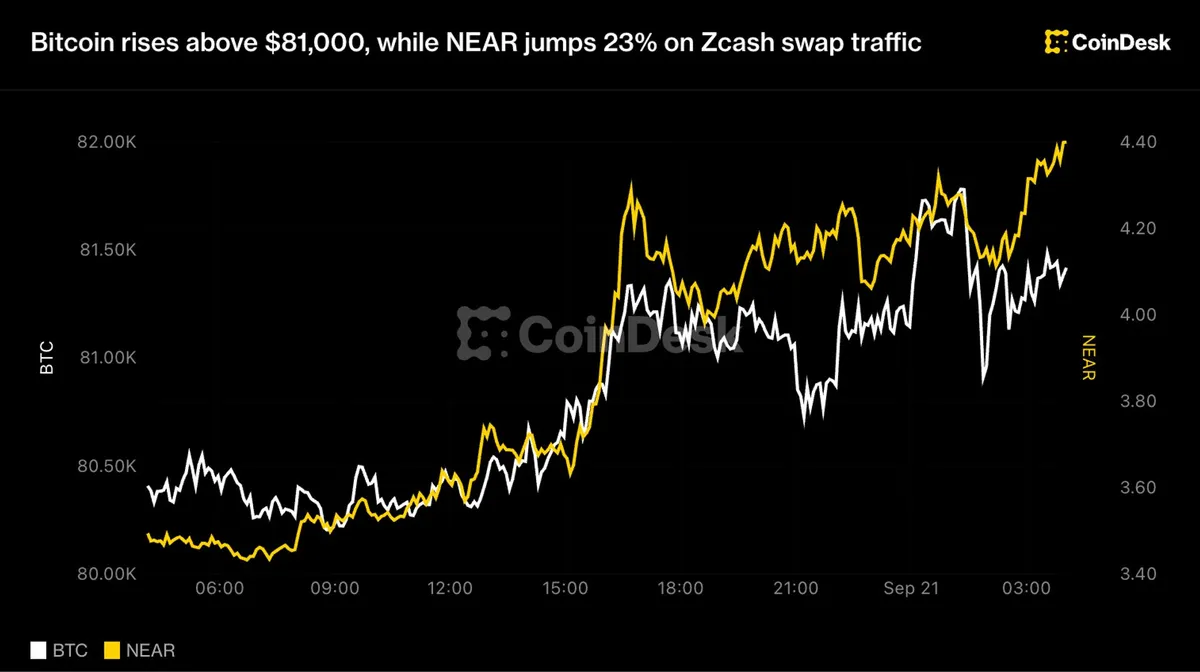
Bitcoin surpasses $81,000 as NEAR surges 23% amid Zcash swap activity