Chainalysis finds $457 billion in taxable crypto activity, only 14% covered by CARF
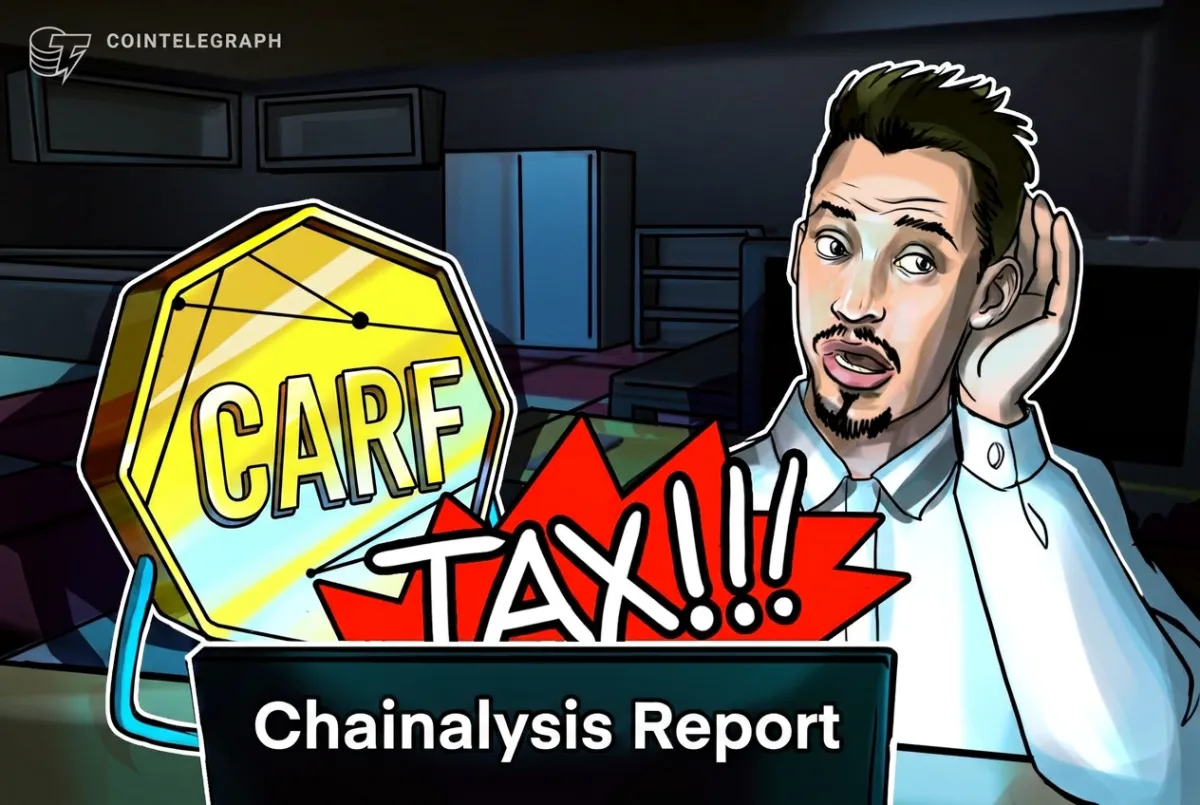
Chainalysis, a prominent blockchain analytics firm, has released a new report estimating that there is approximately $457 billion in taxable cryptocurrency activity. The report highlights a significant gap in the existing international framework for crypto tax reporting, specifically pointing out that only 14% of the on-chain activity it identified is captured by the OECD's Common Approach on Reporting Framework for Digital Assets (CARF). This revelation underscores the challenges regulators face in keeping pace with the rapidly evolving cryptocurrency market.
The OECD introduced CARF to standardize how countries report cryptocurrency transactions for tax purposes. However, Chainalysis's findings suggest that this framework may not be comprehensive enough to encompass the full scope of crypto activity. The majority of transactions, as indicated in the report, fall outside the purview of CARF, raising concerns about tax compliance and the potential for lost revenue at a national level. As the crypto landscape continues to expand, the implications of underreporting could be substantial.
This matters significantly for the market, as it raises questions about the future of regulatory frameworks and their efficacy in capturing taxable activity. If a large portion of economic activity remains unaccounted for, governments may struggle to implement effective taxation policies, potentially leading to increased scrutiny and further regulations. For investors and traders, the uncertainty surrounding tax obligations could lead to hesitancy in engaging with the crypto market, thereby affecting liquidity and overall market dynamics.
Industry experts have weighed in on the implications of these findings. Many believe that the data provided by Chainalysis could serve as a wake-up call for regulators to refine and enhance the CARF framework. There is a consensus that a more comprehensive approach is necessary to ensure that all taxable activities are adequately reported and taxed. Some experts also suggest that collaboration between governments and blockchain analytics firms will be crucial in developing effective tax compliance strategies.
Looking ahead, the focus will likely shift towards how regulators respond to these findings. There may be calls for revisions to the CARF framework to better capture the vast landscape of crypto transactions. Additionally, as more data becomes available, we could see an evolution in how countries approach taxation in the digital asset space, potentially leading to a more robust and inclusive framework for both users and regulators.

CoinMagnetic Team
Crypto investors since 2017. We trade with our own money and test every exchange ourselves.
Updated: August 2026
From our insights:
Related news

George Washington University physicists devise formula to forecast chatbot failure
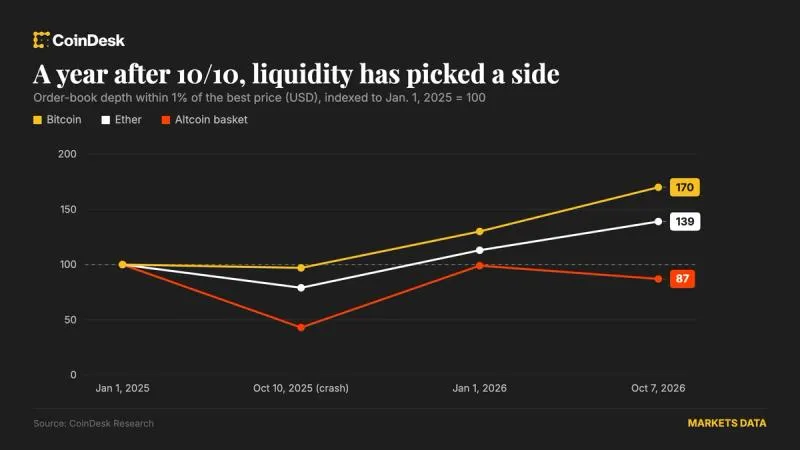
One year after 10/10 flash crash, bitcoin and ether liquidity have rebuilt, but altcoins still face risks

Tokenized commodities expand past gold into lending and oil markets

Justin Sun says Tron’s post-quantum cryptography has gone live on testnet

Traders adopt better risk tools one year after a $19 billion bitcoin flash crash