Bitcoin DeFi demand concentrated in small-but-deep pockets, Rootstock exec says

Recent insights from Rootstock's executives have shed light on the current state of decentralized finance (DeFi) within the Bitcoin ecosystem. While the overall DeFi landscape has experienced a significant contraction in liquidity–total value locked (TVL) plummeting from approximately $180 billion to around $70 billion in less than a year–Rootstock highlights that demand for Bitcoin DeFi is concentrated in specific areas. This suggests that while the broader market is struggling, there are still pockets of robust activity and engagement among users who are seeking innovative financial solutions on the Bitcoin network.
To understand this phenomenon, it's crucial to consider the historical context of DeFi's rise and the subsequent decline. Over the past few years, DeFi platforms have gained immense popularity, offering users alternatives to traditional financial institutions through smart contracts and blockchain technology. However, as market conditions have changed–marked by increased regulatory scrutiny and macroeconomic factors–many investors have become more cautious, leading to a decrease in liquidity across the board. This decline in TVL underscores the volatility and risks inherent in the DeFi space, particularly for protocols that rely heavily on Ethereum and other platforms.
The concentration of demand in smaller, yet deeper, pockets within Bitcoin DeFi matters for several reasons. Firstly, it indicates that there remains a dedicated user base that believes in the capabilities and future potential of Bitcoin-based financial products. This could signal a shift in how users approach DeFi, favoring platforms that demonstrate resilience and adaptability in challenging market conditions. Furthermore, this phenomenon could pave the way for more targeted development efforts, as projects may seek to cater specifically to these high-demand areas, potentially fostering innovation and new use cases.
Industry reactions to this trend have been mixed. Some experts view the concentration of demand as a sign of maturity within the Bitcoin DeFi space, suggesting that it reflects a more discerning user base that prioritizes quality over quantity. Others remain cautious, pointing out that a lack of widespread participation could hinder the long-term growth of Bitcoin DeFi. Notably, discussions around regulatory frameworks are intensifying, and how these frameworks evolve will likely influence both the demand and innovation in this sector.
Looking ahead, the future of Bitcoin DeFi is poised for further evolution. As market participants adapt to the current landscape, there may be an increased emphasis on building robust, user-friendly solutions that address the specific needs of these concentrated pockets of demand. Additionally, as the regulatory environment becomes clearer, we could see renewed interest from institutional investors, which might help restore liquidity and drive broader engagement across the Bitcoin DeFi ecosystem. The coming months will be crucial in determining whether the current trends signify a temporary adjustment or a longer-term shift in the DeFi landscape.

CoinMagnetic Team
Crypto investors since 2017. We trade with our own money and test every exchange ourselves.
Updated: June 2026
From our insights:
Related news

Solstice CEO predicts less volatile future for crypto cycles amid liquidity growth

Pragma flags 6 price feeds as critical risk following $3.5M Starknet lending exploit

Ethereum's $120 billion in staking masks underlying supply dynamics

NEAR price surges 80% weekly as Intents volume approaches $30 billion
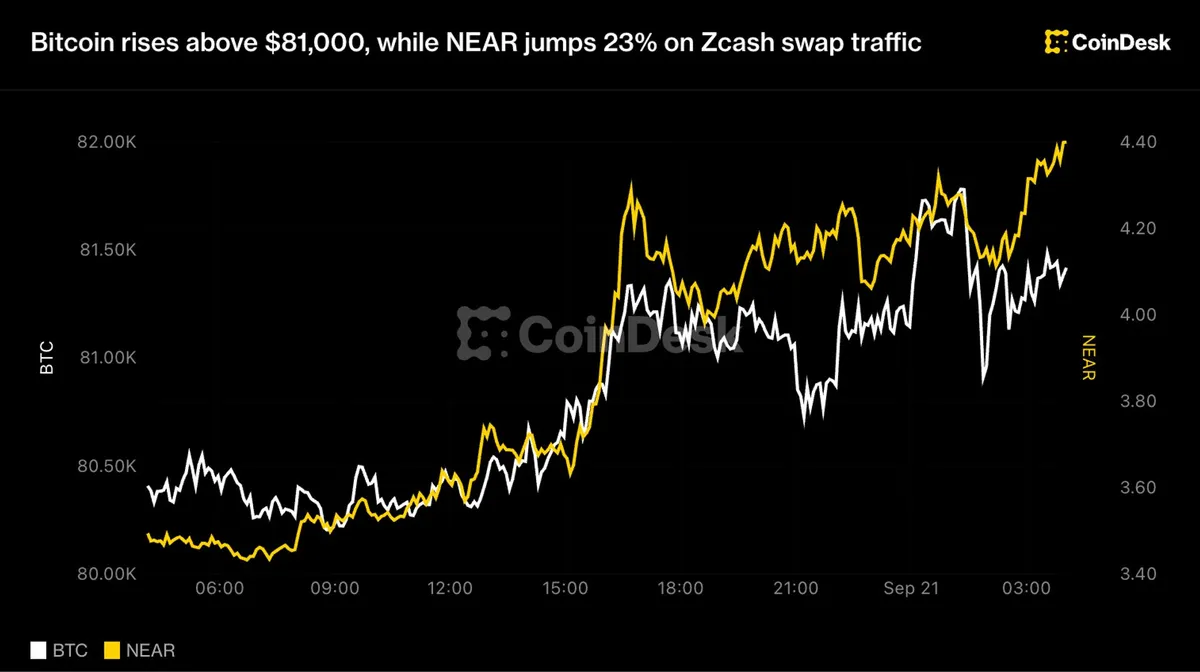
Bitcoin surpasses $81,000 as NEAR surges 23% amid Zcash swap activity