Australia’s High Court backs regulator in Block Earner crypto yield case

In a significant ruling for the Australian cryptocurrency landscape, the High Court has unanimously decided that Block Earner, a digital asset platform, must possess a financial services licence. This decision marks a notable shift, overturning a previous ruling from 2025 that had favored Block Earner in its legal battle against the Australian Securities and Investments Commission (ASIC). The court's determination underscores the importance of regulatory compliance in the rapidly evolving world of crypto finance, highlighting the need for companies operating in this space to adhere to established financial regulations.
The backdrop to this ruling is the ongoing regulatory scrutiny that cryptocurrency and blockchain-related businesses have faced in Australia and worldwide. In recent years, regulators have ramped up their efforts to create a framework that ensures consumer protection and financial stability while fostering innovation within the sector. Block Earner's case serves as a pivotal example of how the legal landscape is shifting in response to these regulatory pressures, reflecting broader global trends where authorities are increasingly demanding that crypto platforms operate under the same stringent rules as traditional financial institutions.
This ruling is significant for the cryptocurrency market, as it sets a precedent for how similar cases might be handled in the future. By reinforcing the necessity of a financial services licence, the High Court's decision may push other cryptocurrency firms to reassess their compliance strategies and operational frameworks. This could lead to a wave of regulatory adaptations within the industry, as companies seek to align themselves with the evolving legal expectations. As the crypto market continues to grow, the implications of this ruling could resonate beyond Australia's borders, influencing how other jurisdictions approach crypto regulation.
Industry experts have expressed a range of reactions to the High Court's decision. Some view it as a positive step towards legitimizing the cryptocurrency sector, arguing that regulatory clarity is essential for attracting institutional investment and fostering consumer trust. Others caution that excessive regulation could stifle innovation and drive businesses offshore, where regulatory environments may be more favorable. As stakeholders in the crypto community digest the ruling, discussions around the balance between regulation and innovation are expected to intensify, highlighting the critical nature of this issue for the future of the industry.
Looking ahead, the ramifications of this ruling will likely spark further dialogue among regulatory bodies, industry participants, and legal experts. Companies like Block Earner may need to adapt their business models to comply with the new legal landscape, potentially leading to changes in their product offerings or operational strategies. As the market adjusts to this ruling, it will be essential for stakeholders to stay informed about potential regulatory developments that could impact their operations and the broader crypto ecosystem. The evolving nature of crypto regulations will undoubtedly continue to shape the industry's trajectory in the coming years.

CoinMagnetic Team
Crypto investors since 2017. We trade with our own money and test every exchange ourselves.
Updated: June 2026
From our insights:
Related news

Solstice CEO predicts less volatile future for crypto cycles amid liquidity growth

Pragma flags 6 price feeds as critical risk following $3.5M Starknet lending exploit

Ethereum's $120 billion in staking masks underlying supply dynamics

NEAR price surges 80% weekly as Intents volume approaches $30 billion
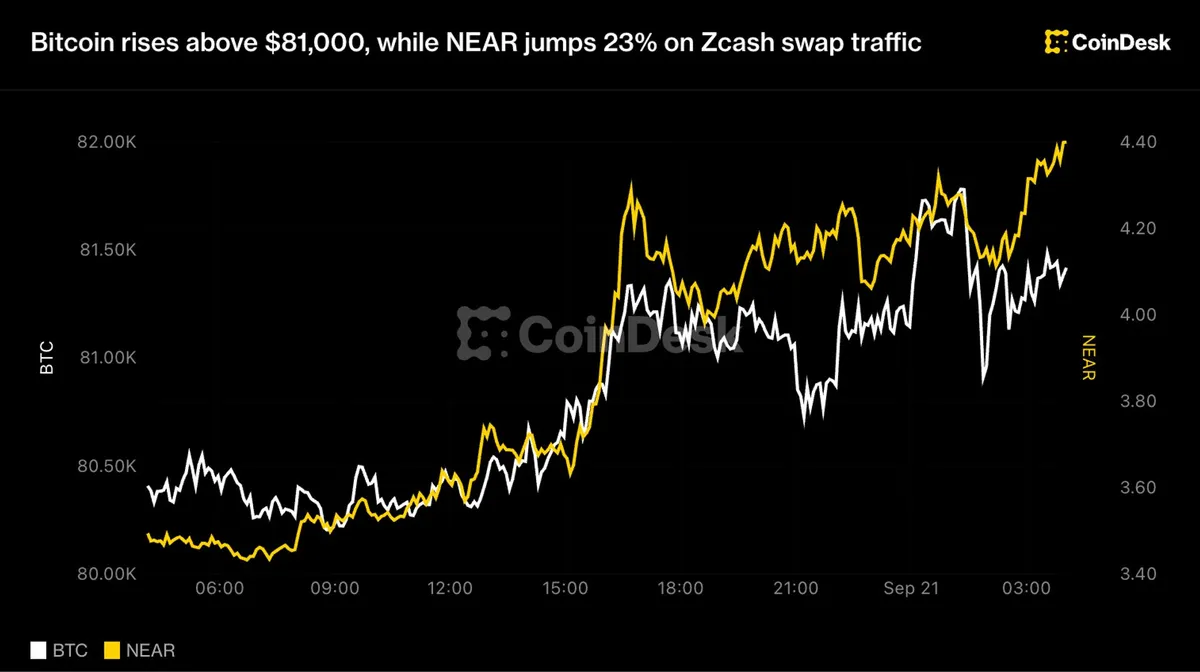
Bitcoin surpasses $81,000 as NEAR surges 23% amid Zcash swap activity