Are perps swaps? A quick look at that CME suit: State of Crypto

In a significant development within the cryptocurrency and derivatives markets, CME Group has filed a lawsuit against the Commodity Futures Trading Commission (CFTC). The suit, initiated on Thursday, challenges the CFTC's approval of Kalshi's inaugural U.S. perpetual futures product. CME argues that the CFTC's decision was flawed and deviated from established regulatory standards. This legal battle highlights ongoing tensions between traditional financial institutions and newer entities in the derivatives space, particularly as perpetual swaps gain traction among traders.
To understand the implications of this lawsuit, it's essential to consider the backdrop of perpetual futures in the financial landscape. Perpetual futures are contracts that do not have an expiration date, allowing traders to hold positions indefinitely. They have gained immense popularity in the crypto markets due to their flexibility and the ability to leverage positions. However, the regulatory framework surrounding these products in the U.S. has been a topic of debate, with various stakeholders pushing for clearer guidelines. CME's lawsuit signals a potential clash between established players and emerging platforms, raising questions about the future of derivatives regulation.
The outcome of this lawsuit could have far-reaching implications for the broader market. If the court sides with CME, it may set a precedent that affects how the CFTC regulates not only perpetual futures but other innovative financial products as well. This could lead to stricter oversight and compliance requirements, potentially stifling innovation in the space. Conversely, if Kalshi's approval is upheld, it may encourage more firms to explore perpetual futures, fostering a competitive environment that could benefit traders and investors alike.
Industry reactions to this lawsuit have been mixed, with experts weighing in on the potential ramifications. Some analysts believe that CME's move is a defensive tactic to protect its market share in the face of growing competition from platforms like Kalshi. Others argue that such legal challenges are necessary to ensure robust regulatory standards that can protect investors and maintain market integrity. The legal community is closely watching the proceedings, as they could provide critical insights into the evolving relationship between regulators and the rapidly changing financial landscape.
Looking ahead, the resolution of this lawsuit will be pivotal for the future of perpetual futures in the U.S. market. As the case unfolds, market participants will likely keep a close eye on the CFTC's stance and any potential regulatory changes that may arise from the ruling. The lawsuit serves as a reminder of the complexities involved in navigating the regulatory landscape, especially as new financial products emerge and challenge traditional norms. How this situation develops could shape the trajectory of the derivatives market for years to come.

CoinMagnetic Team
Crypto investors since 2017. We trade with our own money and test every exchange ourselves.
Updated: June 2026
From our insights:
Related news

Solstice CEO predicts less volatile future for crypto cycles amid liquidity growth

Pragma flags 6 price feeds as critical risk following $3.5M Starknet lending exploit

Ethereum's $120 billion in staking masks underlying supply dynamics

NEAR price surges 80% weekly as Intents volume approaches $30 billion
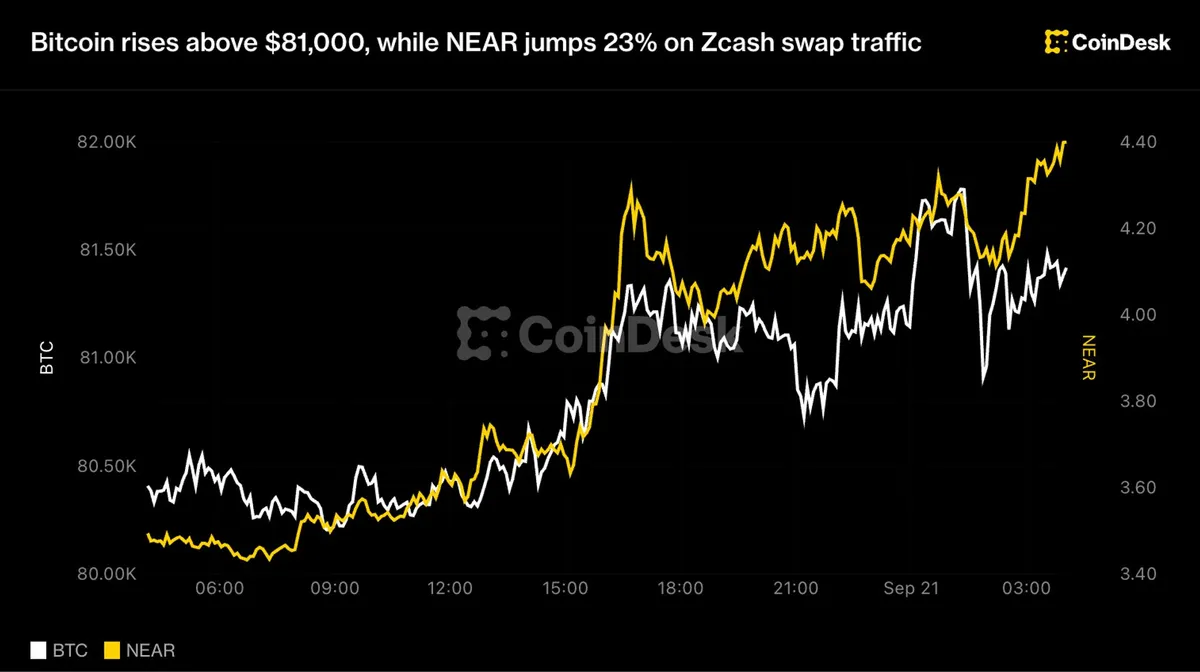
Bitcoin surpasses $81,000 as NEAR surges 23% amid Zcash swap activity