Aave survived $8.45B in withdrawals, but risk questions remain
Aave, one of the leading decentralized finance (DeFi) lending platforms, has recently demonstrated its resilience by successfully managing $8.45 billion in withdrawals without freezing any funds. This significant outflow highlights both the platform's operational capabilities and the ongoing challenges within the DeFi space. Aave's ability to navigate such a massive withdrawal without incident speaks volumes about its liquidity management and user confidence, but it also raises critical questions about the potential hidden risks lurking beneath the surface of DeFi lending.
To understand the implications of this event, it’s essential to consider the broader context of Aave and the DeFi ecosystem. Since its inception, Aave has been a pioneer in the lending space, providing users with the ability to lend and borrow various cryptocurrencies without the need for intermediaries. However, the surge in withdrawals has prompted a closer examination of the platform's risk management strategies, particularly in light of the volatile nature of crypto markets and the broader economic environment. This incident serves as a stark reminder that while DeFi platforms offer innovative solutions, they are not immune to systemic risks and sudden market movements.
The implications for the market are significant. While Aave's successful handling of the withdrawals may temporarily bolster confidence in DeFi lending, it also highlights the need for greater transparency and risk assessment tools within the industry. Investors and users are increasingly aware that while they can benefit from high returns, they must also navigate the complexities of smart contracts, liquidity risks, and market volatility. This event could lead to a shift in how users approach DeFi platforms, with a greater emphasis on understanding underlying risks before participating.
Industry reactions have been varied, with some experts praising Aave's robust infrastructure and liquidity management, while others express caution. Many analysts emphasize the need for more rigorous risk protocols across DeFi platforms to protect users from potential losses. Some industry leaders are advocating for better regulatory frameworks that can help mitigate risks without stifling innovation. The discussions surrounding this event are likely to spur further dialogue on how to enhance security and transparency in the DeFi space.
Looking ahead, it will be crucial for Aave and similar platforms to address the concerns raised by this massive withdrawal event. Implementing more comprehensive risk management practices could help build user confidence and stabilize the ecosystem. Additionally, as the DeFi space continues to evolve, we may see the emergence of new tools and standards aimed at enhancing risk assessment and mitigation. The lessons learned from this incident will undoubtedly play a pivotal role in shaping the future of DeFi lending and its integration within the broader financial landscape.

CoinMagnetic Team
Crypto investors since 2017. We trade with our own money and test every exchange ourselves.
Updated: June 2026
From our insights:
Related news

Solstice CEO predicts less volatile future for crypto cycles amid liquidity growth

Pragma flags 6 price feeds as critical risk following $3.5M Starknet lending exploit

Ethereum's $120 billion in staking masks underlying supply dynamics

NEAR price surges 80% weekly as Intents volume approaches $30 billion
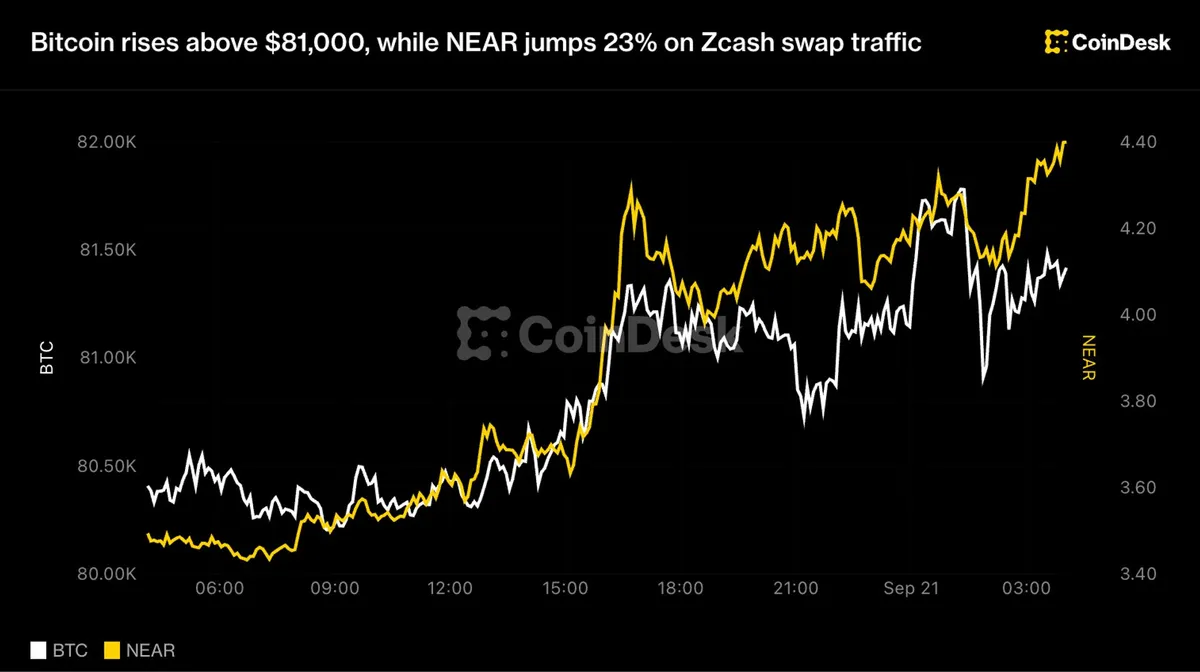
Bitcoin surpasses $81,000 as NEAR surges 23% amid Zcash swap activity