Aave rallies DeFi partners to contain fallout from $292 million KelpDAO hack

In a significant turn of events for the decentralized finance (DeFi) sector, Aave has rallied its partners in response to the $292 million hack of KelpDAO, marking one of the largest thefts in the crypto space this year. This incident has sent shockwaves through the community, prompting immediate collaboration among various industry players to implement recovery strategies and mitigate the fallout. Lido and EtherFi have emerged as the first partners to offer assistance, showcasing a united front in the face of adversity. The coordinated effort underlines the importance of solidarity within the DeFi ecosystem, especially during crises that threaten the integrity of decentralized platforms.
Understanding the context of this situation requires a closer look at KelpDAO's role within the DeFi landscape. KelpDAO has been a notable player, providing infrastructure for various decentralized applications and protocols. The hack not only raises concerns about the security measures in place at KelpDAO but also highlights vulnerabilities that can affect interconnected DeFi projects. The incident serves as a reminder that the rapid growth of DeFi has not been accompanied by equally robust security frameworks, leaving considerable room for exploitation by malicious actors.
The implications of this hack extend beyond just KelpDAO and Aave; they reverberate throughout the entire DeFi market. As trust is a foundational element in decentralized finance, incidents like this can lead to a decline in user confidence and participation. Market participants may become more cautious, potentially resulting in reduced trading volumes and liquidity. Furthermore, this incident may prompt regulators to intensify scrutiny on DeFi protocols, leading to a more challenging environment for innovation and growth.
Industry experts have expressed mixed feelings about the recent developments. Many see this incident as a critical inflection point for security practices within DeFi, prompting a necessary reevaluation of protocols and their risk management strategies. Some analysts argue that while collaboration among projects like Aave, Lido, and EtherFi is commendable, it also underscores the need for a more standardized approach to security audits and governance in the DeFi space. Others point out that this could serve as an opportunity for the sector to mature, as stakeholders work together to develop better security measures and protocols to protect users.
Looking ahead, the focus will likely be on how Aave and its partners navigate this crisis and implement effective recovery strategies. As the industry watches closely, the outcome could set precedents for future collaborations in times of crisis. Additionally, it remains to be seen whether this incident will lead to increased regulatory measures or inspire new security protocols among DeFi projects. Whatever the case may be, the KelpDAO hack serves as a stark reminder of the ever-present risks in the crypto landscape and the importance of resilience and cooperation in overcoming them.

CoinMagnetic Team
Crypto investors since 2017. We trade with our own money and test every exchange ourselves.
Updated: April 2026
From our insights:
Related news

Solstice CEO predicts less volatile future for crypto cycles amid liquidity growth

Pragma flags 6 price feeds as critical risk following $3.5M Starknet lending exploit

Ethereum's $120 billion in staking masks underlying supply dynamics

NEAR price surges 80% weekly as Intents volume approaches $30 billion
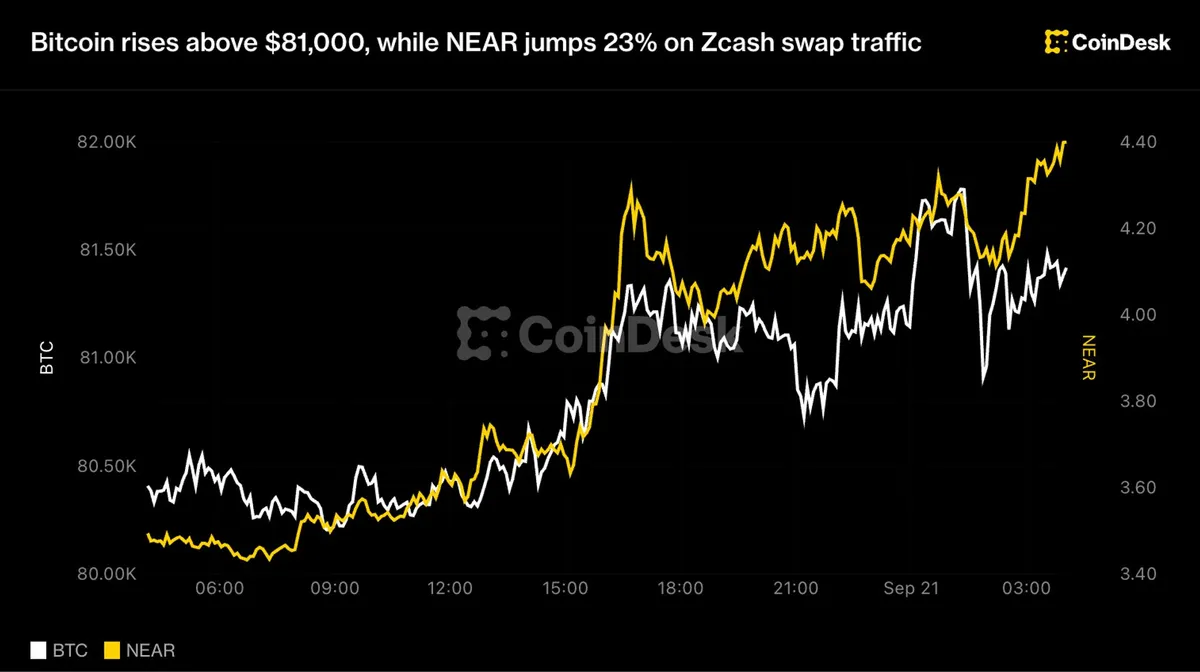
Bitcoin surpasses $81,000 as NEAR surges 23% amid Zcash swap activity