Aave raises nearly 80% of the $200 million it needs to cover bad debt left by Kelp DAO exploit

Aave has recently made headlines as it successfully raised nearly 80% of the $200 million required to address the bad debt resulting from the Kelp DAO exploit. According to blockchain analytics platform Arkham, the fundraising effort has garnered significant support from key players in the crypto space, with Mantle and Aave DAO being the largest contributors, collectively providing $127 million. This substantial influx of capital aims to stabilize the Aave platform and ensure that it can effectively manage the repercussions of the exploit that has shaken investor confidence.
The Kelp DAO exploit, which occurred earlier this year, exploited vulnerabilities in the decentralized autonomous organization, leading to substantial losses in liquidity and trust within the ecosystem. This incident highlighted the risks associated with decentralized finance (DeFi) platforms and the necessity for robust security measures. As Aave navigates the fallout from this exploit, the raised funds will be pivotal in addressing the immediate financial implications, allowing the platform to reassure its users and stakeholders about its commitment to security and stability.
This fundraising is significant for the broader cryptocurrency market, as it underscores the ongoing challenges that DeFi platforms face in maintaining security and trust. The ability of Aave to rally substantial support not only demonstrates the community's resilience but also reflects a growing recognition of the importance of safeguarding user assets in the rapidly evolving crypto landscape. Furthermore, the successful capital raise could inspire other projects facing similar challenges to take decisive action and seek community support, potentially leading to a more robust ecosystem in the long run.
Industry reactions have been mixed, with some experts praising Aave's proactive approach to addressing the exploit's aftermath, while others express concerns about the implications for DeFi as a whole. The incident has reignited discussions about the necessity of enhanced security protocols and risk management strategies within decentralized platforms. As the DeFi space continues to mature, industry leaders are calling for a balance between innovation and safety, emphasizing the importance of building trust among users to foster long-term growth.
Looking ahead, Aave's successful fundraising may serve as a blueprint for other DeFi projects facing similar crises. The team will likely focus on implementing new security measures and governance structures to prevent future exploits, aiming to restore investor confidence. As the market watches closely, Aave's actions in the coming months will be critical in shaping its future and influencing the broader DeFi landscape. The ongoing developments will be a crucial test of the community's commitment to resilience and innovation in the face of adversity.

CoinMagnetic Team
Crypto investors since 2017. We trade with our own money and test every exchange ourselves.
Updated: April 2026
From our insights:
Related news

European central banks push to expand stablecoin yield ban to crypto lending and staking
CME introduces Bitcoin Cash and Uniswap futures amid growing demand for crypto derivatives

Solstice CEO predicts less volatile future for crypto cycles amid liquidity growth

Pragma flags 6 price feeds as critical risk following $3.5M Starknet lending exploit
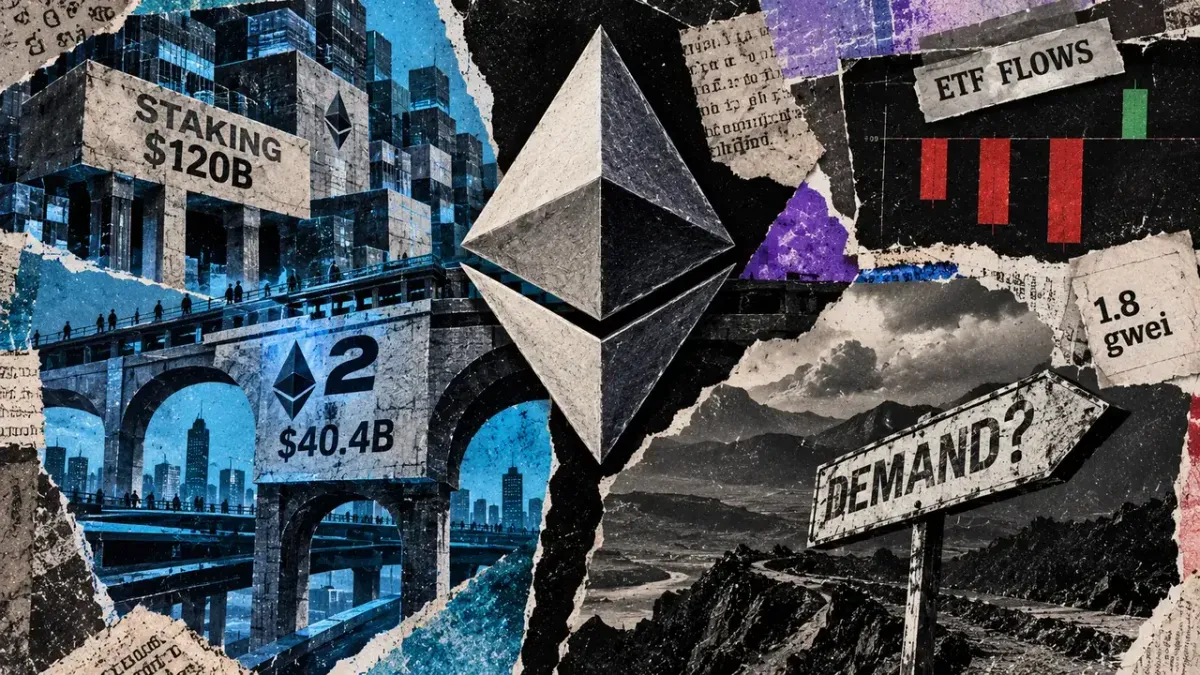
Ethereum's $120 billion in staking masks underlying supply dynamics