Aave chief defends protocol's 'resilience' after $8.45 billion bank run

In a recent turn of events, Aave’s founder has come forward to address the concerns raised following an unprecedented bank run that saw $8.45 billion withdrawn from the platform. The chief executive emphasized the protocol's "resilience," attributing the massive withdrawals to vulnerabilities linked to "third-party" entities rather than flaws within Aave itself. This defense comes at a critical time when decentralized finance (DeFi) platforms are under intense scrutiny, particularly in light of the growing concerns about the reliability and security of such systems amid market volatility.
To provide some context, Aave has long been recognized as a leading player in the DeFi space, facilitating lending and borrowing through its innovative liquidity pools. However, this incident has brought to light ongoing debates about the risks associated with using DeFi protocols, especially as they increasingly rely on external services and integrations. The bank run raises questions about the overall stability of Aave and similar platforms, with critics pointing out significant gaps in their risk management architecture. These concerns are not isolated; they reflect broader issues that have plagued the DeFi sector, particularly as it gains traction among institutional investors and mainstream users.
The implications of this event for the broader cryptocurrency market are profound. Aave’s situation could potentially erode investor confidence in DeFi platforms, leading to increased scrutiny and regulatory pressure. As users reevaluate where to place their assets, we may witness a shift in liquidity away from platforms perceived as vulnerable. This could also prompt a reevaluation of risk management practices across the industry, as stakeholders seek to avoid similar situations. The incident serves as a reminder of the inherent risks in DeFi, highlighting the need for robust security measures and transparent governance.
Industry reactions have varied, with some experts supporting Aave's claims of resilience while others urge caution. Analysts have pointed out that while Aave may have sound protocols in place, the reliance on third-party integrations can create unforeseen vulnerabilities. Additionally, some stakeholders advocate for a more comprehensive approach to risk assessment in DeFi, suggesting that platforms must take greater accountability for the services they utilize. This divergence of opinion underscores the complexities of the DeFi landscape, where innovation must be balanced with security and reliability.
Looking ahead, the Aave team will likely need to take proactive measures to restore trust among its user base. This may involve enhancing transparency around risk management practices and addressing the identified vulnerabilities within its architecture. Additionally, we can expect ongoing discussions within the industry about the role of third-party entities in DeFi and the potential for developing standardized protocols to mitigate risks. As the landscape evolves, both Aave and its competitors will need to demonstrate their commitment to security and user protection to thrive in a rapidly changing market.

CoinMagnetic Team
Crypto investors since 2017. We trade with our own money and test every exchange ourselves.
Updated: June 2026
From our insights:
Related news

Solstice CEO predicts less volatile future for crypto cycles amid liquidity growth

Pragma flags 6 price feeds as critical risk following $3.5M Starknet lending exploit

Ethereum's $120 billion in staking masks underlying supply dynamics

NEAR price surges 80% weekly as Intents volume approaches $30 billion
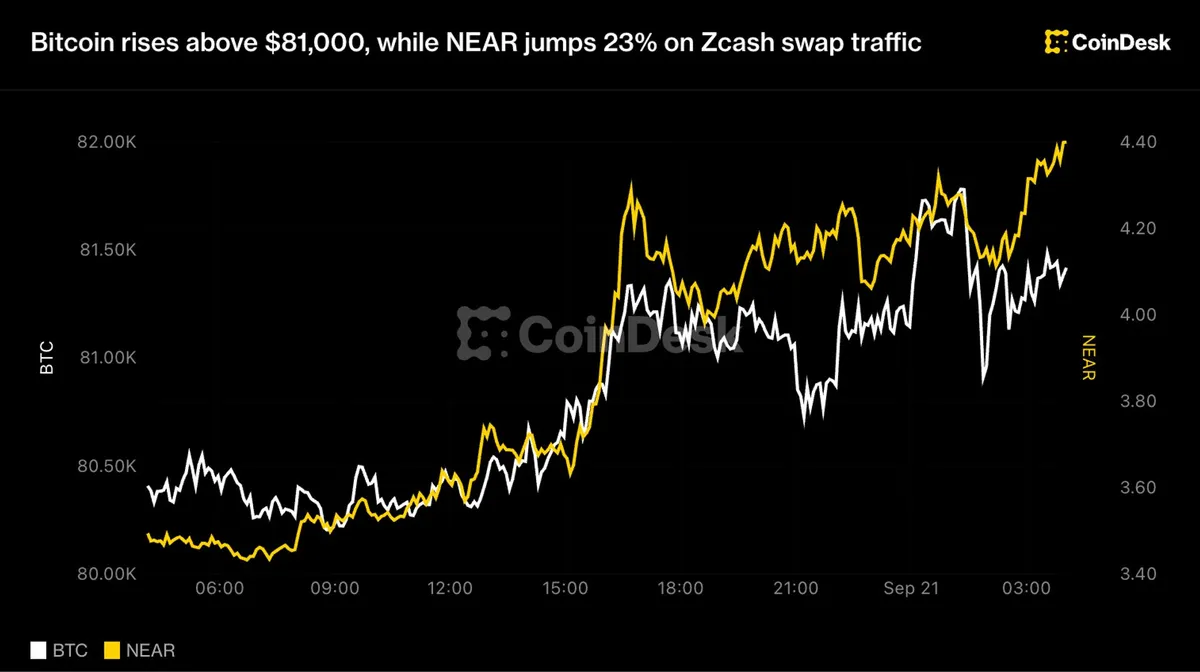
Bitcoin surpasses $81,000 as NEAR surges 23% amid Zcash swap activity